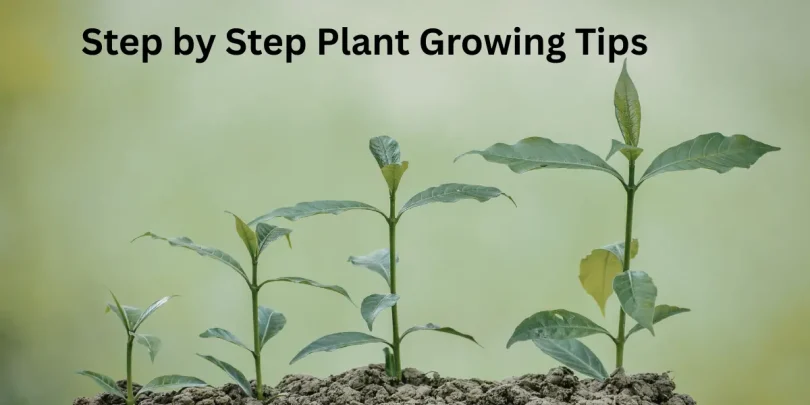

Gardening has a quiet magic to it. You place something small into the soil, nurture it with patience, and slowly watch life unfold in front of you. Whether it’s a tiny herb pot on your windowsill or a lush backyard garden, growing plants connects you with nature in a deeply rewarding way. And if you’ve ever wondered where to begin, this detailed guide on step by step plant growing tips will walk you through everything you need to know—from soil to sunlight, from seeds to thriving greenery.
Step 1: Choose the Right Plant for Your Environment
The first step in your plant-growing journey is choosing a plant that suits your environment. This may sound simple, but it’s where most beginners go wrong. Not every plant thrives in every condition, and understanding your surroundings is key to success.
Start by observing your space. Does it receive full sunlight, partial shade, or mostly darkness? Plants like tomatoes and peppers love direct sunlight, while others like ferns prefer indirect light. Temperature also plays a major role—some plants thrive in warm climates, while others prefer cooler environments.
Another factor to consider is your experience level. Beginners should start with low-maintenance plants such as mint, basil, or succulents. These plants are forgiving and help build confidence.
There is also a growing shift toward choosing native plants. These are naturally adapted to local conditions, require less water, and support local wildlife. This approach not only simplifies gardening but also makes it more environmentally friendly.
Think of your plant as a long-term companion. Choosing wisely ensures that your efforts lead to success rather than frustration. A well-matched plant will grow stronger, resist pests, and require less intervention—making your gardening journey smoother from the start.
Step 2: Prepare the Soil Properly
Healthy soil is the foundation of every successful plant. Without it, even the best seeds struggle to grow. Soil is more than just dirt—it’s a living ecosystem filled with nutrients, microorganisms, and organic matter.
Start by checking your soil texture. Good soil should be loose, well-draining, and rich in nutrients. If your soil feels too compact or sandy, improve it by adding compost or organic matter. Compost enhances fertility and improves moisture retention at the same time.
One often overlooked factor is natural soil life. Earthworms and beneficial microbes play a huge role in maintaining soil health by breaking down organic material and improving aeration.
Before planting, loosen the soil to allow roots to spread easily. Remove weeds, stones, and debris. If you’re using pots, always choose a high-quality potting mix instead of regular garden soil, as it provides better drainage and nutrients.
Modern gardening practices now focus on sustainable soil care. Instead of disturbing the soil frequently, many gardeners prefer minimal digging and rely on natural processes to maintain soil structure.
Remember, strong roots create strong plants. The better your soil, the healthier your plants will be.
You may also like to read these articles for more information
Daily Plant Care Routine That Actually Keeps Your Plants Thriving
Easy Plant Care at Home Guide to Keep Your Plants Healthy and Happy
Plant Care Tips for Beginners Made Simple for Healthy Indoor Growth
The Ultimate Guide to How to Care for Indoor Plants Like a Pro
Master the Best Way to Water Plants and Avoid Common Mistakes
Step 3: Select Quality Seeds or Seedlings
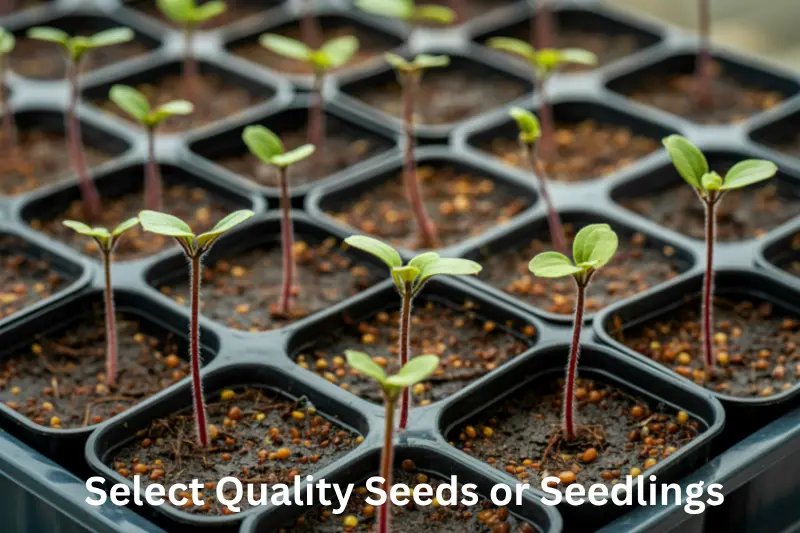
The success of your garden begins with the quality of your seeds or seedlings. Poor-quality seeds may fail to sprout, while weak seedlings may struggle to survive.
When selecting seeds, always choose fresh and reliable varieties. If you’re buying seedlings, inspect them closely. Healthy plants should have bright green leaves, sturdy stems, and no signs of pests or disease.
Many gardeners today are exploring heirloom varieties. These plants are valued for their unique flavors, colors, and ability to preserve traditional plant genetics.
Another important tip is to match your planting method to the plant type. Some plants grow best when started indoors, while others perform better when planted directly into the soil.
If you’re new to gardening, starting with seedlings can make the process easier. However, growing plants from seeds offers a deeper connection to the process and allows you to witness every stage of growth.
Choosing strong, healthy beginnings sets the tone for a successful garden.
Step 4: Plant at the Right Time
Timing plays a crucial role in plant growth. Planting too early or too late can limit your plant’s potential.
Each plant has a preferred season. Cool-season plants grow well in mild temperatures, while warm-season plants need heat to thrive. Understanding these cycles helps you plant at the right moment.
One effective method is staggered planting. Instead of planting everything at once, you spread out planting times. This ensures a steady supply of crops and avoids overwhelming harvest periods.
Weather patterns are also becoming less predictable, so observing local conditions is more important than ever. Adjust your planting schedule based on temperature and seasonal changes.
Paying attention to timing gives your plants the best chance to grow in ideal conditions, leading to better results and healthier growth.
Step 5: Water Your Plants Correctly
Watering is one of the most important aspects of plant care. Too much water can suffocate roots, while too little can dry them out.
The key is balance. Most plants prefer soil that is consistently moist but not waterlogged. Deep watering encourages roots to grow deeper into the soil, making plants more resilient.
Morning is the best time to water plants. It allows moisture to reach the roots before the heat of the day causes evaporation.
Adding mulch around your plants helps retain moisture and keeps the soil temperature stable. This reduces the need for frequent watering and protects your plants during hot weather.
Water conservation is becoming increasingly important. Many gardeners are now adopting efficient watering methods that minimize waste while keeping plants healthy.
Learning how your plants respond to water is essential. Adjust your routine based on weather, soil type, and plant needs.
Step 6: Provide Adequate Sunlight
Sunlight is essential for plant growth. It fuels the process that allows plants to produce energy and grow.
Different plants have different light requirements. Some need full sun for most of the day, while others thrive in partial shade.
Observe how sunlight moves across your space. Place your plants where they can receive the right amount of light throughout the day.
For indoor gardening, position plants near windows where natural light is available. If natural light is limited, consider rotating plants regularly to ensure even exposure.
Modern gardening methods are making better use of space. Vertical gardening and layered planting allow more plants to receive adequate light, even in small areas.
Understanding light conditions helps you create the perfect environment for your plants to grow strong and healthy.
Step 7: Use Fertilizers Wisely
Plants need nutrients to grow, and fertilizers help provide those essential elements. However, using them correctly is important.
Organic fertilizers such as compost, manure, and natural extracts are highly beneficial. They release nutrients slowly and improve soil quality over time.
Chemical fertilizers can give quick results but should be used carefully. Overuse can damage plants and harm the soil.
A balanced approach works best. Feed your plants according to their needs and growth stage.
Sustainable gardening practices encourage the use of natural fertilizers to maintain long-term soil health and reduce environmental impact.
Providing the right nutrients ensures steady growth and better yields.
Step 8: Protect Your Plants from Pests and Diseases
Pests and diseases are a common challenge in gardening, but they can be managed effectively.
Start by keeping your garden clean. Remove dead leaves and debris regularly. Healthy plants are naturally more resistant to problems.
Inspect your plants often. Early detection of pests or disease makes it easier to control the issue before it spreads.
Natural methods such as companion planting can help keep pests away. Certain plants naturally repel insects and protect nearby crops.
Reducing the use of harsh chemicals is becoming more popular. Many gardeners prefer natural solutions that are safer for both plants and the environment.
Prevention is always better than cure. A healthy garden is your best defense against pests.
Step 9: Support and Prune Your Plants
As plants grow, they often need guidance and support. Providing support helps prevent damage and encourages proper growth.
Tall or heavy plants may need stakes or supports to stay upright. This protects them from wind and keeps them stable.
Pruning is equally important. Removing dead or excess growth allows the plant to focus its energy on healthy development.
Regular trimming also improves air circulation, reducing the risk of disease.
The goal is to guide your plant’s growth without overdoing it. Careful maintenance leads to stronger, more productive plants.
Step 10: Harvest and Enjoy the Results
Harvesting is the most rewarding part of gardening. It’s the moment when your effort turns into something tangible.
Pick your plants at the right time to enjoy the best flavor and quality. Regular harvesting can also encourage more growth.
Many gardeners are now combining beauty and function by growing edible plants in decorative spaces. This approach makes gardening both practical and visually appealing.
Sharing your harvest with others adds to the joy of gardening. It’s a reminder of the care and patience you invested in the process.
Growing plants is not just about the final result—it’s about enjoying every step along the way.
Latest Trends in Plant Growing You Should Know
Gardening continues to evolve, and new trends are shaping how people grow plants today.
One major trend is creating natural, wildlife-friendly spaces. Instead of perfectly controlled gardens, many people are allowing plants to grow more freely, supporting biodiversity.
Low-maintenance gardening is also becoming popular. People are choosing plants that require less care while still offering beauty and usefulness.
Another emerging idea is making use of small or unused spaces. Creative planting techniques are turning balconies, walls, and pathways into green areas.
Sustainability remains at the center of modern gardening. From saving water to improving soil naturally, gardeners are focusing on long-term benefits for both plants and the environment.
Staying updated with these trends helps you adapt and improve your gardening approach.
Conclusion
Growing plants is a journey filled with patience, learning, and satisfaction. Each step—from choosing the right plant to harvesting—plays a crucial role in the final outcome. By following these steps and staying aware of modern trends, you can create a thriving garden that reflects your care and dedication .And as you continue your journey, remember that mastering step by step plant growing tips is not just about growing plants—it’s about growing patience, creativity, and a deeper connection with the world around you.
FAQs
How often should I water my plant?
Water when the top 1–2 inches of soil feel dry. Frequency depends on plant type, pot size, and weather.
Why are my plant’s leaves turning yellow?
Common causes include overwatering, poor drainage, lack of sunlight, or nutrient deficiency.
Can plants grow without sunlight?
Plants need light for photosynthesis. Some tolerate low light (like ZZ Plant), but none can survive in complete darkness.
When should I repot my plant?
Repot when roots outgrow the pot, soil dries too quickly, or growth slows—usually every 1–2 years.
What’s the easiest plant for beginners?
Good beginner plants include Snake Plant, Pothos, and Aloe Vera.