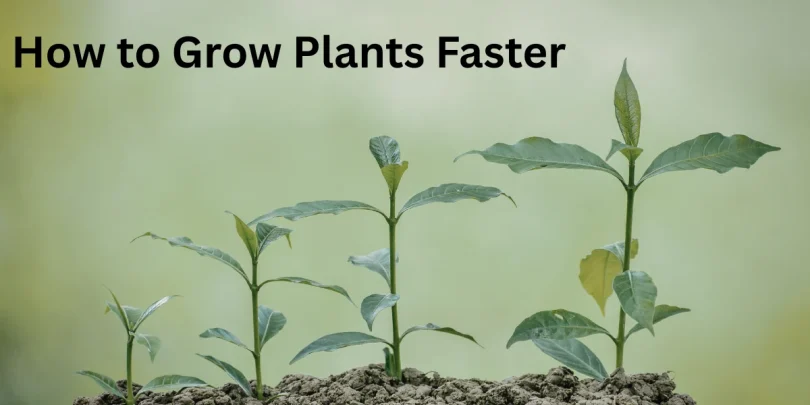

There is something genuinely frustrating about putting time, energy, and care into your plants only to feel like nothing is happening. You water them carefully, move them closer to sunlight, maybe even talk to them once in a while, yet they still seem frozen in the same condition week after week. Many beginners experience this exact struggle, especially when they see other people posting lush green gardens and rapidly growing indoor plants online. The truth is, growing plants successfully is not about luck or having a magical green thumb. It comes down to understanding what plants actually need to thrive. Once you learn the basics, everything becomes much easier and less stressful. The real secret behind how to grow plants faster is creating an environment where your plants can naturally grow strong, healthy, and full without constant problems slowing them down. A lot of people overcomplicate gardening, but no fluff, most plants simply need consistent care, proper light, healthy soil, enough nutrients, and patience. When those things come together, the difference becomes obvious very quickly.
Why Some Plants Grow Slowly
One of the biggest mistakes beginners make is assuming every plant grows at the same speed. Some plants naturally grow faster than others, while some take their time no matter how perfect the conditions are. This is why comparing your plants to someone else’s garden can feel discouraging. A fast-growing herb like basil will obviously grow quicker than a cactus or a slow tropical plant. Environmental conditions also play a huge role. Even healthy plants can struggle if they are not getting enough light, airflow, nutrients, or room for roots to spread properly. Sometimes the problem is surprisingly simple. A plant sitting in the wrong corner of the room may spend months barely growing, but once moved near proper sunlight, it suddenly starts producing fresh leaves rapidly. Real talk, plants constantly react to their surroundings, and small changes can completely transform their growth rate.
The Importance of Healthy Soil
Healthy soil is the foundation of fast plant growth. Many beginners underestimate how important soil quality really is. They buy a plant, leave it in old compact soil for months, and then wonder why it stops growing. Plants absorb nutrients directly from the soil, so poor soil automatically means weaker growth. Healthy soil should feel loose, rich, airy, and slightly moist instead of dry and rock hard. When roots can spread easily through the soil, plants grow stronger above the surface too. Compost is one of the best things you can add to improve soil naturally because it enriches the soil while helping it hold moisture properly. Organic matter like leaf compost, vermicompost, and coconut coir can also make a huge difference. Good soil not only feeds the plant but also improves root health, drainage, and airflow underground. Without healthy roots, fast growth becomes nearly impossible because the roots are responsible for absorbing water and nutrients efficiently.
Why Sunlight Changes Everything
If there is one factor that dramatically affects plant growth, it is sunlight. Plants use sunlight to create energy through photosynthesis, and without enough light, growth slows down significantly. A plant may stay alive in poor lighting, but it usually becomes weak, stretched out, pale, and unhealthy. This is especially common with indoor plants placed far away from windows. People often think a bright room automatically means enough sunlight for plants, but many plants require direct or strong indirect light for several hours each day. If your plant develops tiny leaves, long weak stems, or starts leaning heavily toward one side, it is usually asking for more light. Moving plants closer to a sunny window or balcony can make an incredible difference. Rotating the pot every few days also helps plants grow evenly because all sides receive balanced exposure to sunlight. No fluff, better lighting alone can completely transform slow-growing plants into thriving healthy ones.
You may also like to read these articles for more information
10 Must-Know Best Tips for Plant Growth for Amazing Success
Powerful Secrets for Success with Easy Grow Guide for Beginners
7 Proven How to Grow Plants at Home Secrets for Beginners
10 Powerful Step by Step Plant Growing Tips for Stunning Results Plant Growing Guide for Beginners That Makes Gardening Easy
Proper Watering Makes a Huge Difference
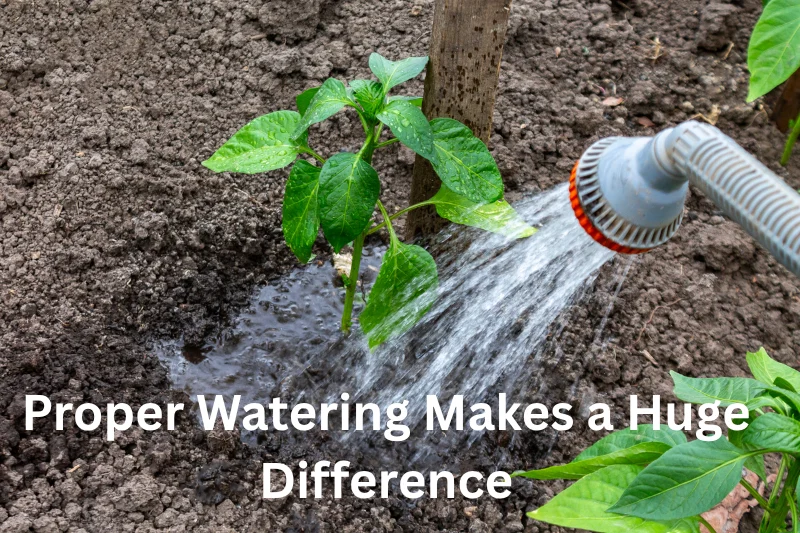
Watering seems simple, but it is actually one of the most misunderstood parts of plant care. Most beginners either overwater or underwater without realizing it. Overwatering is especially common because people think extra water automatically means faster growth. Unfortunately, too much water can suffocate roots and create root rot, which stops plants from growing properly. Plants need oxygen around their roots just as much as they need moisture. Constantly wet soil blocks airflow underground and weakens the root system over time. Instead of watering on a strict schedule, it is much better to check the soil first. If the top layer feels dry, then water the plant deeply. If it still feels damp, wait another day. Morning watering is often best because plants have time to absorb moisture before temperatures rise later in the day. Healthy watering habits encourage stronger roots, healthier leaves, and faster overall growth.
Choosing the Right Pots
Pot size matters much more than people think. Small pots limit root growth, and once roots become crowded, the plant struggles to grow larger. You may notice roots sticking out from the drainage holes or circling tightly inside the pot when repotting. These are signs your plant needs more space. However, moving plants into extremely large pots immediately is not ideal either because oversized pots can trap too much moisture and increase the risk of root problems. Gradually increasing pot size works best for most plants. Drainage holes are equally important because standing water at the bottom of a pot can damage roots quickly. Healthy roots are the hidden engine behind fast plant growth, so giving them enough room and proper drainage is extremely important.
Natural Fertilizers That Help Plants Grow Faster
Plants need nutrients regularly to support healthy and fast growth. The three most important nutrients are nitrogen, phosphorus, and potassium. Nitrogen supports leafy growth, phosphorus strengthens roots and flowers, and potassium improves overall plant health. Many beginners rely heavily on chemical fertilizers because they promise quick results, but overusing chemicals can weaken soil quality over time. Natural fertilizers are usually safer and more beginner-friendly because they improve soil gradually without overwhelming the plant. Banana peels provide potassium, eggshells add calcium, and compost tea delivers a balanced nutrient boost. Rice water is another simple homemade option many gardeners use to encourage healthier growth. Organic fertilizers may work more slowly than harsh chemicals, but they build long-term soil health and stronger plants. Real talk, healthy steady growth is much better than sudden weak growth caused by excessive fertilizers.
Why Airflow Is Important
Air circulation is something many beginners completely ignore, yet it plays a major role in plant health. Plants surrounded by stale air often struggle with fungal problems, weak stems, and slower growth. Proper airflow helps moisture dry evenly around the leaves and prevents harmful conditions caused by trapped humidity. Crowded plants compete for light, nutrients, and fresh air, making them less healthy overall. Spacing plants properly allows them to breathe and grow more naturally. Indoor plants especially benefit from open windows or occasional fresh outdoor air when weather conditions are pleasant. Strong airflow encourages sturdier stems and healthier growth patterns over time.
Pruning Helps Plants Grow Stronger
Pruning sounds intimidating at first because beginners worry they might accidentally damage the plant, but pruning is actually one of the best ways to encourage stronger growth. Removing dead leaves, damaged stems, and weak branches allows the plant to focus energy on healthy growth instead of wasting resources on unhealthy parts. Herbs like basil and mint respond especially well to regular trimming because pruning encourages bushier growth and more leaves. Dead flowers should also be removed because they continue taking energy from the plant unnecessarily. No fluff, strategic pruning often makes plants look healthier almost immediately.
Understanding Seasonal Growth
Plants naturally grow faster during certain seasons, especially spring and summer when temperatures are warmer and sunlight lasts longer throughout the day. During winter, many plants enter slower growth periods because there is less sunlight available. Beginners sometimes panic when plants stop growing during colder months, but this is completely normal. The goal during slower seasons is maintaining plant health rather than forcing rapid growth. Reducing watering slightly during winter often helps because plants use less moisture during dormant periods. Once warmer weather returns, healthy plants usually begin growing actively again.
Indoor Plants vs Outdoor Plants
Outdoor plants often grow faster because they receive stronger sunlight, better airflow, natural rainwater, and more environmental stimulation. Indoor plants can still grow beautifully, but they usually require extra care to recreate ideal conditions indoors. Light intensity indoors is often much weaker than people realize, even near windows. Humidity levels may also become too low due to fans, heaters, or air conditioners. Indoor gardeners can improve growth by using brighter locations, rotating plants regularly, cleaning leaves, and occasionally moving plants outside during mild weather conditions. Some people also use grow lights to supplement natural sunlight, especially during darker seasons.
How Humidity Affects Plant Growth
Humidity plays a surprisingly important role for many tropical plants. Dry air can slow growth, cause brown leaf edges, and make plants appear unhealthy even when watered properly. Tropical plants naturally grow in humid environments, so indoor air can feel harsh for them. Grouping plants together helps create a more humid microclimate naturally because plants release moisture into the air. Light misting can help temporarily, but consistent humidity matters more than occasional spraying. Placing water trays nearby or using a humidifier can improve conditions significantly for moisture-loving plants.
Common Beginner Mistakes
Many plant problems come from simple beginner mistakes that are easy to fix once identified. Overwatering remains one of the most common issues because it weakens roots and encourages disease. Poor lighting also slows growth dramatically, especially indoors. Ignoring drainage, using poor-quality soil, overcrowding plants, and overfertilizing are other frequent mistakes. Some beginners move plants constantly from place to place searching for the “perfect spot,” but constant environmental changes stress plants and slow their adjustment process. Plants prefer stability, so once you find a location where they thrive, consistency becomes important.
The Power of Consistency
One of the biggest gardening lessons is that consistency matters more than perfection. Plants respond best to regular care rather than random bursts of attention. Watering properly, checking leaves regularly, monitoring sunlight, and feeding plants occasionally creates a stable environment where growth happens naturally. Healthy plant care does not require expensive tools or advanced knowledge. Simple daily habits often produce the best long-term results. Checking for pests, cleaning dusty leaves, and observing new growth patterns helps you understand what your plants need over time.
Dealing With Pests Naturally
Pests can slow down plant growth quickly because they feed on leaves, stems, and nutrients the plant needs to stay healthy. Tiny insects like aphids, spider mites, and mealybugs are common problems for indoor and outdoor plants alike. Neem oil spray is one of the most popular natural solutions because it helps control pests without harsh chemicals. Soap water sprays and garlic sprays can also help reduce pest populations safely. Catching pests early is important because severe infestations weaken plants significantly. Healthy plants usually recover quickly once pests are removed.
Homemade Tricks That Actually Work
Many gardeners love simple homemade plant boosters because they are affordable and easy to use. Rice water contains nutrients that support healthy roots and foliage. Banana peel fertilizer provides potassium that supports flowering and strong growth. Eggshell powder adds calcium to the soil, while compost tea provides gentle organic nutrients. These methods are not magic solutions, but they can support healthy growth when used properly alongside good lighting, watering, and soil care. Real talk, no homemade fertilizer can fix poor plant conditions by itself. Everything works together.
Patience Is Part of Gardening
One of the hardest things for beginners is accepting that plant growth takes time. Social media often creates unrealistic expectations because people mostly share dramatic before-and-after results instead of the slow process behind them. Plants grow gradually, and sometimes the changes are small day to day but obvious over weeks or months. Taking photos regularly can help you notice progress more clearly. Gardening teaches patience in a very real way because plants cannot be rushed beyond their natural limits. Consistent care always works better than desperate quick fixes.
Conclusion
Learning how to grow plants faster becomes much easier once you focus on the basics instead of chasing complicated gardening tricks. Plants thrive when they receive proper sunlight, healthy soil, balanced watering, enough nutrients, fresh airflow, and consistent care. The biggest difference usually comes from improving simple daily habits rather than buying expensive products. Every plant teaches something new, and even experienced gardeners still learn through mistakes and experimentation. If your plants are growing slowly right now, do not get discouraged. Small adjustments can create huge improvements over time. Stay patient, observe your plants carefully, and enjoy the process because healthy growth always starts with steady care and understanding.
FAQs
How can I make my plants grow faster naturally?
You can help plants grow faster by giving them enough sunlight, proper watering, healthy soil, and natural compost regularly.
Does sunlight help plants grow faster?
Yes, most plants grow faster with enough sunlight because it helps them make energy for healthy growth.
What is the best fertilizer for fast plant growth?
Organic compost, manure, and balanced fertilizers are great choices for improving faster and healthier plant growth.
How often should I water plants for better growth?
Plants should be watered when the soil feels slightly dry. Too much or too little water can slow growth.
Can indoor plants grow faster too?
Yes, indoor plants can grow faster with bright light, proper watering, good soil, and occasional plant food.