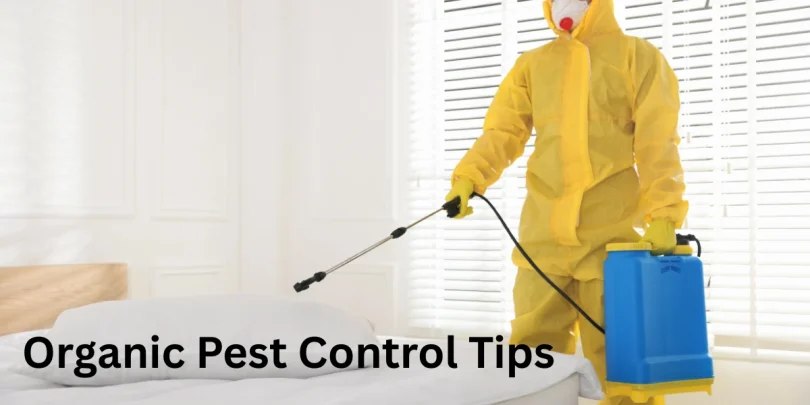

There is something genuinely frustrating about spending time watering plants, checking soil, trimming leaves, and feeling proud of your little garden space only to wake up one morning and find insects slowly destroying everything. Every beginner gardener experiences this moment sooner or later. Tiny holes appear in leaves, stems become sticky, flowers suddenly look weak, and vegetables that looked perfect days ago start getting eaten overnight. It can honestly make gardening feel stressful instead of relaxing. A lot of people immediately assume they need strong chemical sprays because that is what most advertisements push, but many gardeners quickly realize those harsh products are not always the safest option for pets, children, pollinators, or even the plants themselves. That is why more people are turning toward organic pest control tips to protect their gardens naturally while still keeping plants healthy and productive. Natural gardening is not about being perfect or creating a completely bug-free environment because nature simply does not work that way.
Why Organic Pest Control Is Becoming So Popular
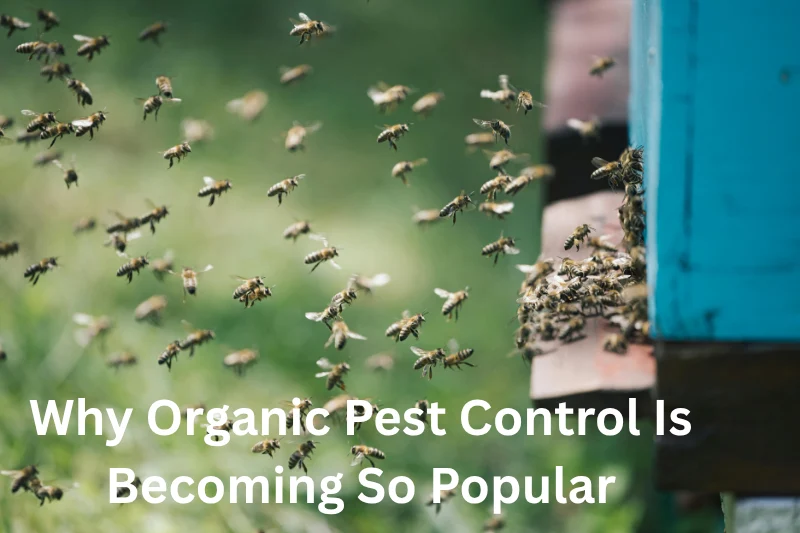
Over the last few years, many people have started paying closer attention to what goes into their homes, food, and gardens. Gardeners are becoming more aware that chemical pesticides may solve one problem while creating several others at the same time. Strong sprays can sometimes harm beneficial insects, damage soil quality, affect pets, or leave chemical residue behind on vegetables and herbs. For beginners especially, using harsh pesticides can feel overwhelming because there is always concern about applying too much, spraying incorrectly, or accidentally harming healthy plants. Organic gardening offers a more balanced and less stressful approach. Instead of relying on aggressive chemical treatments every time pests appear, natural gardening focuses on prevention, healthy soil, strong plant growth, and eco-friendly pest management methods. The beauty of organic pest control is that it works with nature instead of constantly fighting against it. Many natural methods improve the overall health of the garden rather than only targeting pests temporarily. Over time, this creates stronger plants that are naturally more resistant to insects and diseases. Another reason organic gardening continues growing in popularity is that it makes people feel more connected to the gardening process itself. Instead of spraying chemicals and hoping for the best, gardeners start understanding how plants, insects, soil, water, and weather all work together. Gardening becomes less about panic and more about observation and balance.
Understanding Why Pests Appear in the First Place
One of the most helpful things beginners can learn is that pests usually attack weak or stressed plants first. Healthy plants are naturally more capable of defending themselves against insects and disease. This is why two gardens sitting side by side can have completely different pest problems. One garden may struggle constantly while the other stays relatively healthy simply because the growing conditions are better. Pests are often attracted to plants that are already under stress from poor soil, incorrect watering, lack of sunlight, overcrowding, or nutrient deficiencies. When plants are weak, insects see them as easy targets. This means one of the most effective forms of pest control is actually proper plant care. Many beginners spend money on sprays while ignoring the basic health of the garden itself. Real improvement often starts with fixing the environment rather than only reacting to bugs. Poor airflow between plants, excessive moisture, dead leaves left sitting in garden beds, and compacted soil all create conditions where pests thrive. Understanding these causes changes the way you approach gardening because instead of constantly reacting to problems, you start preventing them before they become severe. Prevention is one of the biggest secrets behind successful organic gardening.
You may also like to read these articles for more information
10 Must-Know Best Tips for Plant Growth for Amazing Success
Powerful Secrets for Success with Easy Grow Guide for Beginners
7 Proven How to Grow Plants at Home Secrets for Beginners
10 Powerful Step by Step Plant Growing Tips for Stunning Results Plant Growing Guide for Beginners That Makes Gardening Easy
Healthy Soil Creates Stronger Plants
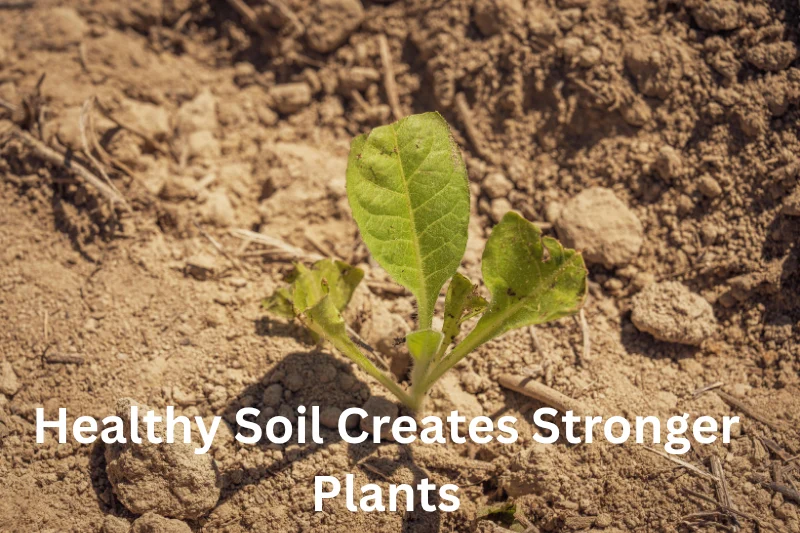
A lot of new gardeners underestimate how important soil really is. Soil is not just dirt holding plants upright. Healthy soil contains nutrients, beneficial organisms, organic matter, and microorganisms that directly affect plant strength and growth. Plants growing in poor-quality soil often struggle to absorb nutrients properly, making them weaker and more vulnerable to pest attacks. Healthy soil helps roots grow deeper, supports better moisture balance, and encourages stronger plant immunity overall. One of the simplest ways to improve soil naturally is by adding compost. Compost enriches the soil while improving texture and water retention. Mulch is another useful addition because it helps regulate temperature, reduce weeds, and maintain moisture levels around plant roots. Many gardeners notice fewer pest issues once they focus on improving soil quality consistently. Strong roots create healthier stems and leaves, which means plants are naturally better equipped to resist insects and recover from stress. Gardening becomes much easier when you stop thinking only about visible plant growth and start paying attention to what is happening underneath the surface. Soil health truly affects everything in the garden.
Keeping Your Garden Clean Makes a Bigger Difference Than People Realize
Sometimes beginners look for complicated solutions when simple habits would solve most problems. Garden cleanliness plays a massive role in pest prevention. Dead leaves, fallen fruit, overgrown weeds, and damaged plants create hiding places where insects breed and multiply. A messy garden traps moisture and encourages fungal diseases as well. Maintaining a clean garden does not mean making everything look perfectly organized all the time. It simply means reducing the conditions that pests love most. Removing dead foliage regularly helps improve airflow and reduces the spread of disease. Pulling weeds early prevents overcrowding and removes alternative food sources for insects. Cleaning gardening tools also matters more than people think because dirty tools can spread bacteria and fungal infections from one plant to another. Even simple habits like picking up fallen tomatoes or trimming damaged leaves can significantly reduce pest populations over time. Many experienced gardeners treat regular maintenance as their first line of defense because prevention almost always works better than trying to fix severe infestations later.
Neem Oil Is One of the Most Trusted Organic Solutions
Neem oil has become one of the most widely recommended organic pest control options for beginner gardeners because it works against many common pests while remaining relatively safe when used correctly. Neem oil comes from the seeds of the neem tree and can help manage aphids, whiteflies, spider mites, mealybugs, and several other common garden pests. One reason gardeners appreciate neem oil is that it disrupts insect feeding and reproduction cycles instead of acting like an instant poison. However, many beginners make the mistake of assuming natural products can be used carelessly. Neem oil still needs to be applied properly. Spraying too heavily or using it during extremely hot weather can stress plants or burn leaves. The best approach is usually applying it during early morning or evening hours when sunlight is less intense. Consistency also matters more than excessive spraying. A gentle routine often works better than aggressive treatment. Neem oil works most effectively when pest problems are caught early before infestations become severe. It is not magic, but it can be extremely useful when combined with healthy gardening habits.
Companion Planting Can Naturally Reduce Pest Problems
Companion planting is one of those gardening techniques that sounds complicated at first but is actually very beginner-friendly once you understand the basics. Some plants naturally help protect neighboring plants by repelling pests, masking scents, or attracting beneficial insects. Marigolds are one of the most popular examples because many gardeners use them to discourage harmful insects around vegetable beds. Basil planted near tomatoes is another common pairing believed to help reduce pest activity. Garlic, mint, lavender, and dill are also popular companion plants because they either repel harmful pests or attract beneficial insects like ladybugs and lacewings. Companion planting creates more diversity in the garden, which often confuses pests and prevents large infestations from spreading easily. Monoculture gardens where only one crop grows in large amounts tend to attract pests faster because insects find an unlimited food source in one location. Mixing plants together naturally interrupts this pattern. Companion planting also makes gardens feel more vibrant and balanced overall. It is a simple strategy that works surprisingly well over time.
Watering Mistakes Often Create Pest Problems
One of the most common beginner mistakes in gardening involves watering. People either water too much because they are afraid plants will dry out or they underwater because they worry about root rot. Both extremes can weaken plants and attract pests. Overwatering creates damp conditions that encourage fungus gnats, mildew, fungal infections, and root rot. Constantly wet soil also stresses plant roots by limiting oxygen flow. On the other hand, underwatered plants become dry, weak, and vulnerable to insect attacks. The key is consistency and observation. Instead of watering on a fixed schedule no matter what, gardeners should pay attention to soil moisture, weather conditions, and plant appearance. Deep watering less often is usually better than shallow watering every single day because it encourages deeper root growth. Watering early in the morning is often ideal because it allows leaves to dry throughout the day while reducing excess moisture overnight. Proper watering habits alone can dramatically improve plant health and reduce many pest-related issues naturally.
Homemade Organic Sprays Can Be Surprisingly Effective
A lot of beginner gardeners are surprised by how effective homemade pest sprays can be when used correctly. Garlic spray, chili spray, and mild soap sprays are all commonly used natural remedies for common garden pests. Garlic works because many insects dislike its strong scent, while soap sprays help break down soft-bodied insects like aphids and spider mites. Homemade remedies are appealing because they are affordable and easy to prepare with ingredients already found in many kitchens. However, it is still important to use caution because even natural mixtures can stress plants if applied too heavily. Testing sprays on a small area first is always a smart idea. Some plants are more sensitive than others, especially delicate herbs or leafy vegetables. Homemade sprays work best when combined with consistent garden maintenance instead of being treated like miracle cures. Organic gardening usually succeeds through small habits working together rather than one single solution fixing everything instantly.
Beneficial Insects Are Important for a Healthy Garden
One major mindset shift in organic gardening is learning that not every insect is harmful. In fact, many insects are extremely helpful because they feed on destructive pests naturally. Ladybugs eat aphids, lacewings target soft-bodied insects, and praying mantises hunt several garden pests. A healthy garden ecosystem usually contains a mix of insects working together naturally. Unfortunately, chemical pesticides often kill beneficial insects alongside harmful ones, which can create even bigger pest problems later. Encouraging beneficial insects into your garden helps create natural balance over time. Flowers like dill, lavender, fennel, and sunflowers attract pollinators and predatory insects that support healthier gardens. The more balanced your garden ecosystem becomes, the less dependent you are on sprays and treatments. Organic gardening is not about eliminating all bugs completely. It is about supporting the right balance so harmful pests stay manageable instead of overwhelming your plants.
Indoor Plants Need Organic Pest Control Too
People often assume pest problems only happen outdoors, but indoor plants face many of the same challenges. Spider mites, fungus gnats, and mealybugs are extremely common indoor plant pests because indoor conditions often lack natural predators and airflow. Overwatering is one of the biggest reasons indoor pest problems develop. Damp soil attracts fungus gnats quickly, especially in containers without proper drainage. Indoor plants also collect dust on their leaves, which can weaken plant health over time. Regularly wiping leaves, checking stems, improving airflow, and isolating infected plants early can prevent many indoor infestations from spreading. Neem oil and mild soap sprays are commonly used for indoor plants as well, but careful application matters because indoor plants may be more sensitive. Consistent observation is extremely important indoors because pests can spread rapidly between plants sitting close together.
Patience Is Essential in Organic Gardening
One of the hardest things for beginners to accept is that organic gardening rarely produces instant results. Chemical pesticides often provide fast visible effects, while natural gardening methods usually work gradually by improving long-term plant health and disrupting pest cycles over time. This slower approach can feel frustrating at first, especially when plants already look damaged. However, patience is one of the biggest strengths in successful organic gardening. The goal is not quick temporary fixes but healthier gardens that become easier to maintain naturally over time. As soil improves, beneficial insects increase, and plants grow stronger, pest problems often become less severe season after season. Gardening teaches patience in a very practical way because nature rarely works on instant timelines. Staying consistent with healthy habits usually produces better long-term results than constantly reacting emotionally every time a few bugs appear.
Common Organic Gardening Mistakes Beginners Should Avoid
Every gardener makes mistakes, especially during the beginning stages. One common mistake is overreacting to every insect sighting. Not all insects are harmful, and spraying too aggressively can sometimes create bigger problems by killing beneficial species as well. Another frequent mistake is overcrowding plants because beginners want gardens to look full immediately. Poor airflow encourages pests and disease, making maintenance much harder later. Overwatering is another major issue because damp environments attract fungal problems and weaken roots. Some beginners also apply too many homemade remedies at once, assuming more treatment means faster results. In reality, excessive spraying can stress plants and damage leaves. Learning to identify specific pests before treating them is extremely important because different insects require different approaches. Gardening improves with experience, observation, and patience. Mistakes are part of the process, and every experienced gardener has learned through trial and error at some point.
Creating a Balanced Garden Is Better Than Fighting Nature
One of the most important lessons in organic gardening is understanding that nature is built around balance, not perfection. Completely eliminating every insect from a garden is neither realistic nor healthy for the ecosystem. Gardens naturally contain insects, microorganisms, pollinators, birds, and beneficial predators all interacting together. Organic gardening focuses on supporting this balance instead of constantly trying to dominate it with chemicals. When plants are healthy, soil is rich, and biodiversity is encouraged, harmful pests become easier to manage naturally. Gardens start feeling calmer and more self-sustaining over time. Many gardeners discover that organic methods actually make gardening more enjoyable because the focus shifts from panic and constant treatment toward observation, learning, and long-term care. There is something deeply rewarding about watching a healthy garden ecosystem support itself naturally.
Conclusion
Starting a garden can feel exciting, relaxing, and rewarding until pests suddenly show up and make everything seem complicated. But the truth is that managing pests naturally does not have to feel overwhelming or impossible. Small consistent habits often make a much bigger difference than expensive chemical products. Healthy soil, proper watering, clean garden spaces, beneficial insects, companion planting, and simple homemade remedies all work together to support stronger plants naturally. Organic gardening is really about patience, observation, and creating balance instead of chasing perfection. Some seasons will be easier than others, and every gardener experiences setbacks at some point, especially in the beginning. What matters most is staying consistent, learning from experience, and understanding that healthy gardens grow gradually over time. Once you begin focusing on long-term plant health instead of quick fixes, gardening starts feeling far less stressful and much more enjoyable. With practice, confidence grows naturally, and managing pests becomes just another part of caring for your garden in a thoughtful and sustainable way using organic pest control tips.
FAQs
What are the best organic pest control tips for beginners?
Start with simple methods like neem oil, garlic spray, companion planting, and keeping plants clean and healthy to prevent pest problems naturally.
Are organic pest control methods safe for vegetables?
Yes, most organic pest control methods are safe for vegetables when used correctly because they avoid harsh chemical pesticides.
How often should I use organic pest control tips on plants?
It depends on the pest problem, but usually applying natural remedies once or twice a week works well for prevention and control.
Can organic pest control tips work for indoor plants?
Yes, natural solutions like neem oil, soap spray, and proper airflow can effectively protect indoor plants from common pests.
Why do gardeners prefer organic pest control tips?
Many gardeners prefer them because they are eco-friendly, safer for pets and children, and help maintain healthy soil and plants naturally.