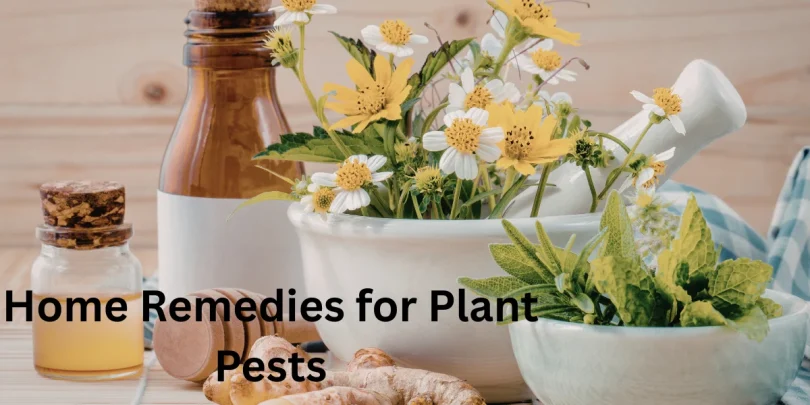

There is something genuinely frustrating about spending time watering your plants, moving them into better sunlight, checking the soil every morning, and watching them slowly grow, only to suddenly notice tiny bugs crawling around the leaves or little holes spreading across healthy plants. A lot of beginners feel confused when this happens because nobody really talks about how common pest problems are in home gardening. One day your plants look completely fine, and the next day they suddenly appear weak, sticky, droopy, or covered in strange spots. Most people immediately assume they need expensive sprays or strong chemical products to save their plants, but that is not always true. In reality, many simple household ingredients can help control pests naturally when used the right way. That is why so many gardeners search for home remedies for plant pests because they want affordable, beginner-friendly, and safer solutions that actually work without making gardening feel stressful or complicated. The good news is that you absolutely can manage many common pest issues naturally with patience, consistency, and a few simple habits that help your plants stay stronger over time.
Why Plant Pests Are So Common
One thing beginners quickly learn is that plant pests are not rare accidents. They are actually a very normal part of gardening, whether you grow plants indoors, outdoors, on balconies, or in small kitchen spaces. Plants exist in nature, and insects naturally interact with them. Some insects are beneficial while others feed on leaves, stems, roots, or sap. Problems usually begin when plants become stressed or conditions allow pests to multiply too quickly. Overwatering, poor airflow, crowded pots, dusty leaves, weak soil, and inconsistent care all make plants more vulnerable to infestations. Indoor plants especially can become easy targets because homes often provide warm temperatures and stable conditions where insects reproduce quickly without natural predators controlling them. Outdoor gardens face different challenges because weather changes, humidity, nearby infected plants, and seasonal shifts can also affect pest activity. Real talk, most pest problems are connected to overall plant health more than people realize. Healthy plants are naturally better at resisting damage while weak plants often struggle to defend themselves against insects.
Signs Your Plants May Have Pest Problems
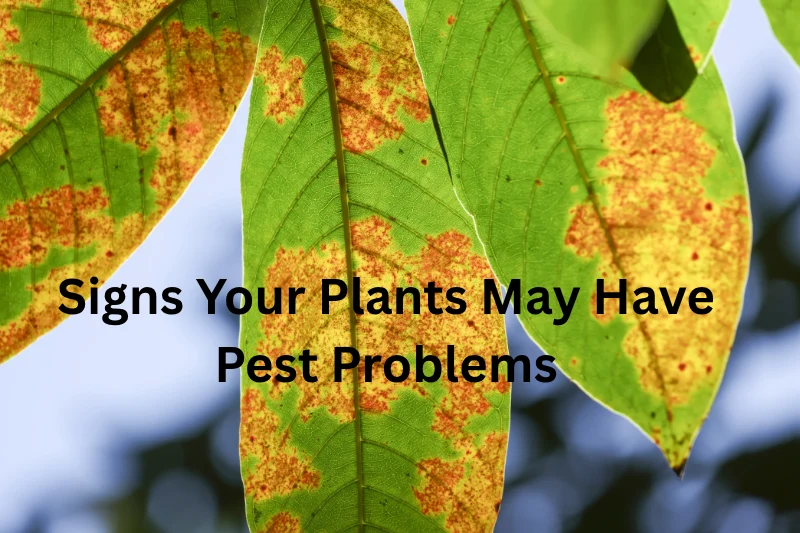
A lot of beginners miss early warning signs because they expect pests to be obvious immediately. In reality, many infestations begin quietly. You may notice leaves curling slightly, yellow spots appearing, sticky residue on stems, tiny webs under leaves, or weak growth that suddenly looks unhealthy for no clear reason. Some pests hide underneath leaves where people rarely check. Others stay in the soil or appear mostly at night. Fungus gnats may look like harmless little flies, but they often signal overly wet soil conditions that can stress roots. Spider mites are extremely tiny but leave delicate webbing across leaves. Aphids gather near soft new growth and slowly weaken plants by sucking sap from stems and leaves. Mealybugs appear like tiny cotton patches, while scale insects can look like little bumps attached directly to stems. Understanding these signs early makes a huge difference because smaller infestations are much easier to control naturally before they spread across multiple plants.
You may also like to read these articles for more information
10 Must-Know Best Tips for Plant Growth for Amazing Success
Powerful Secrets for Success with Easy Grow Guide for Beginners
7 Proven How to Grow Plants at Home Secrets for Beginners
10 Powerful Step by Step Plant Growing Tips for Stunning Results Plant Growing Guide for Beginners That Makes Gardening Easy
Why Natural Remedies Appeal to Beginners
Many people hesitate to use harsh pesticides inside their homes, especially around children, pets, food plants, or indoor living spaces. Strong chemical products may kill pests quickly, but they can also irritate sensitive plants, harm beneficial insects, and create strong odors indoors. Some beginners also feel overwhelmed reading complicated labels or safety instructions on commercial sprays. Natural remedies feel more approachable because many ingredients are already sitting inside the kitchen. Garlic, soap, neem oil, baking soda, vinegar, and cinnamon are familiar household items that can help discourage pests when used correctly. Another reason natural remedies are popular is because they focus on long-term balance instead of only aggressive short-term results. Most home gardeners simply want healthier plants without turning gardening into a chemistry project. Natural pest control encourages better plant care habits overall, which often improves plant health beyond the pest issue itself.
Soap Spray as a Simple Pest Solution
One of the easiest and most effective beginner remedies is a mild soap spray. This works especially well against soft-bodied insects like aphids, whiteflies, and spider mites because the soap disrupts their protective outer layer. Many gardeners already have the ingredients needed for this remedy at home. A small amount of gentle liquid soap mixed with water can create a surprisingly effective spray when applied carefully. The key is using mild soap rather than strong detergents filled with harsh chemicals or fragrances. Plants can be sensitive, so testing the spray on one leaf first is always smart. Consistency matters more than making the mixture overly strong. Beginners sometimes assume stronger sprays work faster, but concentrated mixtures can actually damage leaves or stress already struggling plants. A light application every few days usually works better than drenching the plant heavily all at once.
Neem Oil and Why Gardeners Love It

Neem oil has become one of the most trusted natural remedies for plant pests because it works on many common insects while remaining safer than many synthetic pesticides. Neem oil comes from the neem tree and affects insects by disrupting their feeding and reproductive cycles. Instead of instantly killing everything on contact, it gradually reduces pest populations over time. This slower approach may sound less exciting, but it often creates more sustainable control without shocking the plant itself. Neem oil is commonly used for aphids, spider mites, whiteflies, mealybugs, and other common household pests. It also helps with certain fungal problems, making it especially useful for beginners who are not completely sure what issue they are facing. Timing matters with neem oil because spraying during intense sunlight can sometimes burn leaves. Early morning or evening applications usually work best, and repeated use over several weeks often provides the best results.
Garlic Spray for Natural Protection
Garlic has a very strong smell that many insects dislike, which is why homemade garlic sprays remain popular among gardeners looking for natural pest control options. Garlic sprays are easy to prepare and surprisingly affordable. The smell itself helps discourage insects from settling on plants while also creating a less welcoming environment overall. Some people combine garlic with mild soap or chili for additional strength, though beginners should start with gentle mixtures first. Garlic spray works best as part of a consistent routine rather than a one-time emergency solution. While the scent may seem strong at first, it usually fades after application. Outdoor gardens especially benefit from garlic-based sprays because many insects rely heavily on scent while searching for feeding areas.
Cinnamon and Soil Pest Problems
Cinnamon is another simple ingredient many people already have at home, yet few realize how helpful it can be for plant care. Fungus gnats thrive in moist soil conditions, especially around indoor plants. Sprinkling a light layer of cinnamon on top of the soil may help discourage fungal growth and create less favorable conditions for gnats. Cinnamon also has natural antifungal properties, which can support healthier soil conditions overall. While cinnamon alone will not completely eliminate severe infestations, it works well alongside better watering habits and improved airflow. Sometimes beginners focus entirely on killing visible insects while ignoring the conditions attracting them in the first place. Addressing the environment itself often creates much better long-term results.
The Connection Between Overwatering and Pests
Here’s the deal. Overwatering causes far more plant problems than many beginners realize. Constantly wet soil weakens roots, reduces oxygen availability, encourages fungal growth, and creates ideal breeding conditions for pests like fungus gnats. Stressed roots lead to stressed plants, and stressed plants become easier targets for insects. Many people water plants on fixed schedules without actually checking soil moisture first. Different plants have different watering needs depending on temperature, humidity, pot size, lighting, and season. Learning how to check the soil properly before watering can dramatically reduce pest issues over time. Sometimes simply allowing the top layer of soil to dry slightly between watering sessions solves recurring gnat problems almost completely without any sprays at all.
Healthy Soil Creates Stronger Plants
Strong healthy plants naturally resist pests better than weak unhealthy plants. Soil health plays a major role in this process because roots need proper drainage, nutrients, and oxygen to support healthy growth above the surface. Compacted or exhausted soil limits root development and weakens the plant’s natural defenses. Beginners often focus only on watering while overlooking the condition of the soil itself. Good soil should feel balanced, not constantly soaked or completely dry. Organic matter, proper drainage, and healthy microbial activity all support stronger plant growth. When plants receive the nutrients and conditions they need, they recover from minor pest damage much faster and become less vulnerable to repeated infestations.
Why Airflow Matters More Than People Think
Poor airflow creates humid stagnant conditions where pests and fungal problems thrive. Indoor plant collections especially can become overcrowded quickly, trapping moisture between leaves and reducing circulation around stems and soil surfaces. Simple changes like spacing plants apart slightly, opening windows occasionally, or using a gentle fan nearby can make a surprising difference in overall plant health. Better airflow helps leaves dry more efficiently after watering and creates less comfortable conditions for many insects. Outdoor gardens naturally receive more circulation, but heavily packed garden beds can still trap moisture and encourage problems during humid weather.
Cleaning Plant Leaves Helps Prevent Problems
Dusty leaves may not seem like a major issue at first, but they reduce the plant’s ability to absorb light efficiently while also giving pests more places to hide unnoticed. Regularly wiping leaves with a soft damp cloth helps plants stay healthier and allows you to inspect them more closely for early warning signs. Many experienced gardeners notice pest issues during routine cleaning before infestations become severe. This simple habit also improves the appearance of indoor plants dramatically, making them look fresher and healthier overall. Plants respond well to consistent gentle care, and leaf cleaning is one of those small habits that creates noticeable long-term benefits.
Natural Pest Prevention Is Better Than Emergency Treatment
A lot of beginners only think about pest control after insects become overwhelming, but prevention is much easier than trying to fix severe infestations later. Healthy watering habits, good airflow, proper sunlight, clean pots, and regular inspections all reduce the chances of pests taking over in the first place. Quarantining new plants before placing them near existing ones is another important step many people ignore. One infected plant from a nursery or store can spread pests across an entire indoor collection surprisingly fast. Taking a little extra time to inspect leaves, stems, and soil carefully before introducing new plants can prevent weeks of frustration later.
Why Patience Is Important With Natural Remedies
Natural pest control usually requires patience because results happen gradually rather than instantly. Beginners sometimes become discouraged after one application fails to completely remove every insect overnight. Unlike harsh pesticides designed for aggressive immediate action, most home remedies focus on reducing pest populations steadily while improving plant health overall. You may notice fewer insects appearing, healthier new growth developing, and reduced damage spreading over time rather than dramatic instant changes. Consistency matters far more than intensity. Regular gentle treatments combined with better plant care habits usually create stronger long-term outcomes than repeatedly switching between random sprays and remedies.
Indoor Plants Need Regular Inspections
Indoor plants often hide pest problems longer because people see them every day and gradually stop noticing subtle changes. Taking a few minutes each week to inspect leaves closely makes a huge difference. Check under leaves, around stems, near soil surfaces, and around new growth areas where pests commonly gather. Sticky residue, webbing, discoloration, tiny flying insects, or unusual leaf curling often signal early problems before major damage occurs. Catching infestations early allows natural remedies to work much more effectively because pest populations remain smaller and easier to control.
Companion Plants Can Help Naturally
Certain plants naturally help discourage pests because of their scent or chemical properties. Herbs like mint, basil, rosemary, and lavender are commonly grown near vegetables or flowers for this reason. Marigolds are also popular because many gardeners believe they help reduce certain garden pests naturally. Companion planting does not create magical pest-free gardens overnight, but it can support healthier growing environments while adding beauty and fragrance to outdoor spaces. Many beginners enjoy companion planting because it feels practical, natural, and beginner-friendly without requiring complicated techniques.
Homemade Remedies Need Careful Use
One important thing beginners should remember is that natural does not automatically mean completely harmless. Vinegar, essential oils, alcohol, garlic concentrates, and chili sprays can all damage plants if used incorrectly or applied too heavily. Testing remedies on a small area first is always smart. Some delicate plants react strongly even to mild homemade sprays. Using gentle mixtures consistently usually works better than creating extremely strong solutions out of frustration. Real talk, many damaged plants result from people trying too many aggressive remedies too quickly instead of slowing down and observing how the plant responds.
Seasonal Changes Affect Pest Activity
Pest activity often changes throughout the year depending on temperature, humidity, and environmental conditions. Warmer months usually increase reproduction rates for many insects, which is why infestations often seem to explode suddenly during spring or summer. Indoor heating during colder months may also create dry warm conditions that favor certain pests like spider mites. Understanding seasonal patterns helps gardeners stay proactive instead of reacting only after problems become severe. Regular monitoring during weather transitions can help catch issues before they spread.
Learning Plant Care Takes Time
One thing many beginners need to hear is that struggling with pests does not mean you are bad at gardening. Every experienced gardener has dealt with infestations, plant loss, and frustrating setbacks at some point. Plant care is a learning process built through observation, patience, and experience. Over time, you begin recognizing warning signs faster and understanding which remedies work best for your environment and plant collection. Confidence grows gradually. The more attention you give your plants, the easier it becomes to notice subtle changes before they turn into larger problems.
Conclusion
Dealing with plant pests can definitely feel overwhelming at first, especially when you care deeply about keeping your plants healthy and thriving. But the truth is that natural pest control does not need to feel complicated, expensive, or intimidating. Small consistent habits like checking leaves regularly, improving airflow, watering properly, and using gentle homemade remedies can make a huge difference over time. Healthy plants are naturally stronger, more resilient, and better equipped to handle occasional pest issues without becoming severely damaged. Most importantly, remember that gardening is not about perfection. Every plant owner faces setbacks, learns through mistakes, and improves with experience. Staying patient, observant, and consistent will always help more than panic or aggressive treatments. With simple routines and steady care, home remedies for plant pests can help you protect your plants naturally while creating a healthier and more enjoyable gardening experience.
FAQs
How do home remedies for plant pests work?
Home remedies help repel or remove pests using natural ingredients that are safer for plants and the environment.
What is the best homemade spray for plant pests?
A mild soap and water spray is one of the most common and effective homemade remedies for many plant pests.
Are home remedies for plant pests safe for indoor plants?
Yes, most natural remedies are safe for indoor plants when used in small amounts and tested first on a few leaves.
How often should I use home remedies for plant pests?
Most remedies can be used every few days until the pests disappear and the plant starts looking healthy again.
Can neem oil help with plant pests naturally?
Yes, neem oil is a popular natural solution that helps control many common plant pests and protects plant leaves.