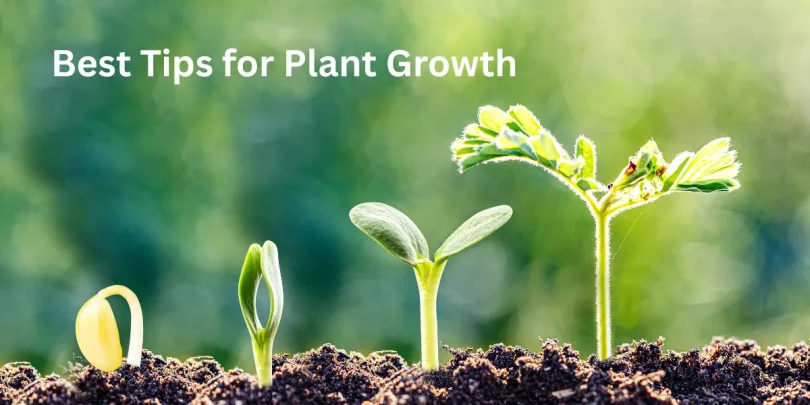

Gardening can feel overwhelming at first, but it quickly becomes one of the most rewarding habits you can build. Watching plants grow, thrive, and produce results brings a sense of satisfaction that’s hard to match. Whether you’re growing vegetables, herbs, or flowers, success starts with understanding a few simple principles and applying them consistently.
Many beginners struggle because they overcomplicate things or expect instant results. In reality, plant care is about patience, balance, and small daily efforts. Once you understand how plants respond to light, water, and soil, everything becomes much easier.
This is where the best tips for plant growth come into play. With the right approach, even a beginner can grow healthy, strong plants without stress or confusion. Let’s break it down step by step so you can start with confidence and see real results.
Understanding the Basics of Growing Plants
Healthy plant growth depends on a few essential factors. These include sunlight, water, soil quality, and proper airflow. When these elements are balanced, plants naturally grow stronger and more productive.
Most plants need at least 6 to 8 hours of sunlight daily. Without enough light, growth becomes weak and slow. Always choose a location that provides consistent sunlight throughout the day.
Soil plays a major role as well. Good soil should be loose, nutrient-rich, and able to retain moisture without becoming waterlogged. Adding compost helps improve soil quality and supports root development.
Watering is another key factor. Plants need consistent moisture, but too much water can damage roots. Always check the soil before watering to avoid overwatering.
Air circulation is often overlooked. Proper spacing between plants allows airflow, reducing the risk of disease and improving overall growth. When these basics are in place, plants naturally perform better.
You may also like to read these articles for more information
Daily Plant Care Routine That Actually Keeps Your Plants Thriving
Easy Plant Care at Home Guide to Keep Your Plants Healthy and Happy
Plant Care Tips for Beginners Made Simple for Healthy Indoor Growth
The Ultimate Guide to How to Care for Indoor Plants Like a Pro
Master the Best Way to Water Plants and Avoid Common Mistakes
Choosing the Right Plants for Beginners
Selecting the right plants can make a huge difference in your success. Beginners should always start with plants that are easy to grow and require minimal care. This builds confidence and makes the process enjoyable.
Vegetables like lettuce, radishes, beans, and tomatoes are excellent choices. They grow quickly and adapt well to different conditions. Herbs such as basil and mint are also beginner-friendly and can thrive in small spaces.
It is important to consider your local climate. Some plants prefer cooler weather, while others need warmth to grow properly. Choosing plants that match your environment increases your chances of success.
Another helpful tip is to grow what you actually use. When you grow herbs or vegetables you enjoy eating, it adds motivation and purpose to your efforts.
Starting with a few plants instead of many is always a better approach. It allows you to focus on care and learn from experience without feeling overwhelmed.
Easy Growing Process
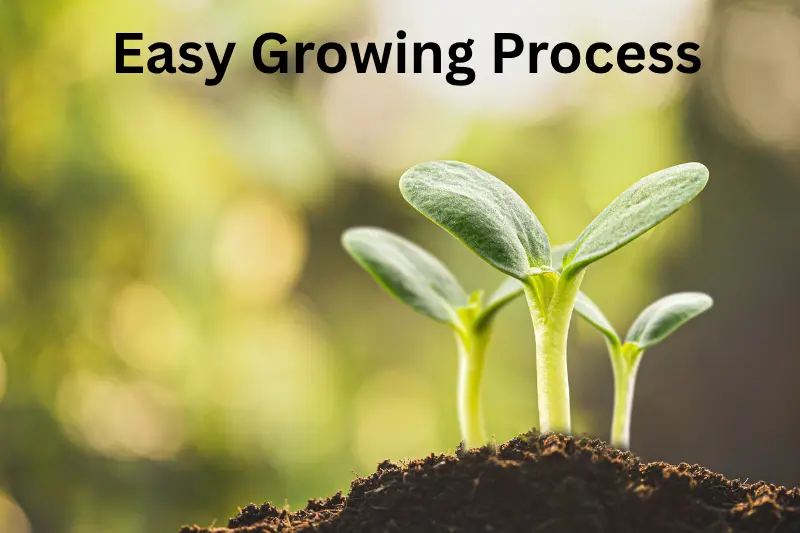
Growing plants becomes simple when you follow a clear process. Start by preparing your soil. Remove weeds, loosen the soil, and mix in compost to provide nutrients.
Next, plant your seeds or seedlings carefully. Follow spacing instructions so each plant has enough room to grow. After planting, water gently to help roots settle.
Keep a regular watering routine. Instead of watering daily, check the soil and water only when needed. This prevents root damage and encourages healthy growth.
As plants begin to grow, remove weeds and monitor for pests. Mulching is a great way to retain moisture and reduce weed growth.
Feeding your plants occasionally with natural fertilizers can boost growth. However, avoid overfeeding, as it can harm the plants.
Patience is important during this stage. Growth takes time, but consistent care will bring visible results.
Common Mistakes Beginners Should Avoid
Many beginners face similar challenges when starting out. One of the most common mistakes is overwatering. Too much water can lead to root rot and weak plants.
Another mistake is planting too many crops at once. This can become difficult to manage and reduce overall success. Starting small is always better.
Poor soil preparation is also a major issue. Without good soil, plants struggle to grow properly. Always invest time in improving soil quality.
Lack of sunlight can slow down growth. Placing plants in shaded areas limits their ability to develop fully. Make sure they get enough light each day.
Ignoring pests and diseases can damage your plants quickly. Regular checks help catch problems early.
Lastly, many beginners give up too soon. Not every plant will succeed, but learning from mistakes is part of the process.
Latest Trends in Easy Growing for 2026
Gardening trends in 2026 are making plant care easier and more accessible. One major trend is low-maintenance gardening. People are choosing plants that require less attention while still producing good results.
Vertical gardening is also gaining popularity. It allows plants to grow upward, saving space and making it ideal for small homes and apartments.
Self-sufficiency is another growing trend. More people are growing their own vegetables and herbs to ensure fresh and chemical-free food. This also helps reduce daily expenses.
Climate-friendly gardening is becoming important as well. Gardeners are selecting plants that can adapt to changing weather conditions.
Natural-style gardening is also on the rise. Instead of controlling every detail, people are allowing plants to grow more freely, creating a balanced environment.
These trends show that gardening is becoming simpler, smarter, and more practical for beginners.
Tools and Supplies You Actually Need
You do not need expensive tools to start gardening. A few basic items are enough to begin your journey.
A hand trowel helps with planting and soil preparation. A watering can ensures gentle and controlled watering. Pruning scissors are useful for trimming and maintaining plants.
Containers or pots are important for small spaces. Make sure they have drainage holes to prevent water buildup.
Good-quality soil and compost provide essential nutrients for growth. Seeds or seedlings are your starting point, and beginners often find seedlings easier to manage.
Mulch is another helpful addition. It helps retain moisture, control weeds, and maintain soil temperature.
Keeping your setup simple makes gardening more enjoyable and less stressful.
Maintaining Your Garden for Long-Term Success
Consistent care is the key to long-term success in gardening. Watering should be done based on plant needs, especially during warm weather.
Weeding regularly helps plants get enough nutrients and space to grow. Mulching reduces weed growth and keeps soil moist.
Feeding your plants with compost or natural fertilizers supports healthy development. Avoid using too much fertilizer, as it can harm plants.
Regularly check for pests and remove them early. This prevents damage and keeps your plants healthy.
Seasonal care is also important. Different times of the year require different tasks such as planting, pruning, and harvesting.
With patience and routine care, your garden will continue to grow stronger and more productive over time.
Conclusion
Growing plants does not have to be difficult. With the right approach and consistent care, anyone can achieve great results. Start small, stay patient, and learn from each experience. Over time, your confidence will grow along with your plants. By following these best tips for plant growth, you can create a healthy, thriving garden and enjoy the rewards of your efforts every day.
Faqs
What are the best tips for plant growth for beginners?
Start with good soil, provide enough sunlight, water properly, and choose easy plants to grow.
How often should I water my plants?
Water when the top layer of soil feels dry. Avoid overwatering.
Can I grow plants in small spaces?
Yes, containers and vertical gardening make it easy to grow plants in limited spaces.
What type of soil is best for plant growth?
Loose, nutrient-rich soil with good drainage works best for most plants.
How can I improve plant growth naturally?
Use compost, ensure proper sunlight, and maintain consistent watering for natural growth.