
Gardening has become more than just a hobby. It is a simple way to relax, connect with nature, and enjoy fresh, homegrown food. No matter your space, you can start small and still see results. Even a few pots on a balcony or indoors can make a difference.
If you’ve been thinking about starting, now is the right time. You don’t need perfection, just a simple beginning. This easy grow guide for beginners will help you take your first step with confidence.
Basics of Growing Plants
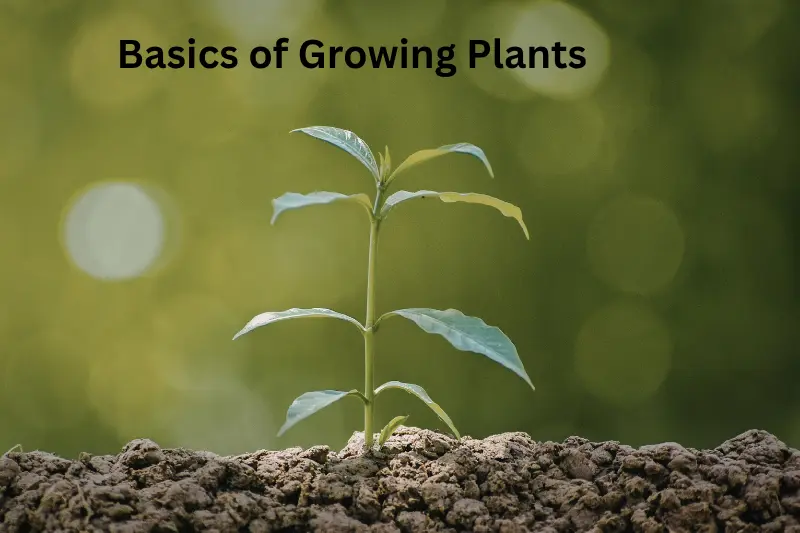
Gardening starts with a few simple essentials. Plants need sunlight, water, soil, and care. Most plants grow best with 6 to 8 hours of sunlight daily, so choose a bright spot.
Soil quality matters a lot. Healthy soil helps roots grow strong and hold moisture. Adding compost improves nutrients and structure. Beginners often do well with containers or raised beds because they are easier to manage.
It also helps to understand plant growth. Some plants grow quickly, while others take time. Starting with fast-growing plants keeps motivation high. Gardening is not about perfection. It is about learning step by step and enjoying the process.
You may also like to read these articles for more information
Daily Plant Care Routine That Actually Keeps Your Plants Thriving
Easy Plant Care at Home Guide to Keep Your Plants Healthy and Happy
Plant Care Tips for Beginners Made Simple for Healthy Indoor Growth
The Ultimate Guide to How to Care for Indoor Plants Like a Pro
Master the Best Way to Water Plants and Avoid Common Mistakes
Choosing the Right Plants for Beginners
Starting small is the smartest approach. Choose plants that are easy to grow and maintain. This helps build confidence and keeps things simple.
Good beginner choices include lettuce, radishes, beans, and cherry tomatoes. These plants grow quickly and require less care. Herbs like basil and mint are also great for small spaces.
Flowers such as marigolds and sunflowers add color and attract helpful insects. Always consider your climate before choosing plants. Some prefer cool weather, while others need warmth.
Grow what you like to eat or use. Harvesting your own food makes the effort worthwhile and keeps you motivated.
Easy Growing Process
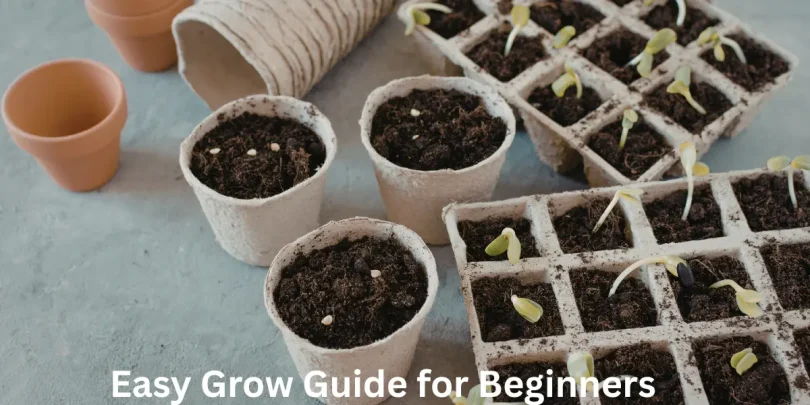
Start by preparing the soil. Remove weeds, loosen it, and mix in compost. This creates a healthy base for plants.
Next, plant seeds or seedlings with proper spacing. Water gently after planting. Keep soil moist but not too wet. Check dryness before watering again.
As plants grow, remove weeds and check for pests. Mulch helps retain moisture and reduces weeds. Be patient, as growth takes time.
Keeping a simple record of your planting can help you improve each season.
Common Mistakes Beginners Should Avoid
Overwatering is a common mistake. Too much water can damage roots. Always check the soil before watering.
Planting too much at once can be overwhelming. Start small and expand gradually. Poor soil is another issue. Good soil leads to better results.
Lack of sunlight can slow growth. Always place plants in bright areas. Also, avoid giving up too soon. Mistakes are part of learning.
Latest Trends in Easy Growing for 2026
Gardening is becoming simpler and more practical. Low-maintenance plants are gaining popularity because they need less care.
Vertical gardening is also trending. It allows plants to grow upward, saving space. This is useful for small homes and urban areas.
Many people now grow their own food for freshness and savings. Climate-friendly gardening is also growing. People choose plants that handle changing weather.
Natural-style gardening is another trend. It focuses on letting plants grow more freely. These trends make gardening easier for beginners.
Tools and Supplies You Actually Need
You only need a few basic tools to start. A trowel, watering can, scissors, and gloves are enough.
Use containers with drainage holes if you lack space. Good soil and compost are essential for plant health.
Seeds or seedlings are your starting point. Beginners often prefer seedlings because they are easier. Mulch helps retain moisture and reduce weeds.
Simple tools are enough to begin. You can upgrade later as needed.
Maintaining Your Garden for Long-Term Success
Regular care keeps your garden healthy. Water plants based on their needs, especially in warm weather.
Remove weeds often so plants get enough nutrients. Mulch helps control weeds and keep soil moist.
Use compost or natural fertilizers to support growth. Check plants regularly for pests and handle them early.
Seasonal care is also important. Different times require different tasks. With consistency, your garden will keep improving.
Conclusion
Starting a garden may seem challenging at first, but it becomes rewarding with time and practice. With the right approach, simple tools, and patience, anyone can grow plants successfully. The key is to start small, learn from experience, and enjoy the process. Whether you choose vegetables, herbs, or flowers, the journey brings satisfaction and a stronger connection to nature. By following this easy grow guide for beginners, you are creating not just a garden, but a meaningful and fulfilling lifestyle.
FAQs
What is the easiest plant to grow for beginners?
Lettuce, radishes, and herbs like basil are among the easiest plants because they grow quickly and need minimal care.
How often should I water my plants?
Water when the top inch of soil feels dry. The exact frequency depends on the plant and weather conditions.
Can I start gardening without a backyard?
Yes, you can grow plants in containers on balconies, patios, or indoors.
How long does it take for plants to grow?
Some plants grow within weeks, while others may take a few months depending on the type.
Do I need expensive tools to start gardening?
No, basic tools and good soil are enough to begin successfully.