
When you first bring plants into your home or start a small garden, everything feels calm and satisfying. But then one day you notice tiny insects hiding under leaves, sticky residue on stems, or leaves that suddenly look weak and damaged. It’s honestly one of the most frustrating moments for any plant lover, especially beginners who are still figuring things out. This is exactly where understanding how to remove insects from plants becomes essential because it turns confusion into a clear action plan instead of panic. The truth is, almost every plant owner faces this at some point, and it doesn’t mean you’re doing something wrong. Insects are simply part of nature, and they find their way into even the healthiest plants when conditions are right. The good news is that you don’t need expensive treatments or complicated gardening knowledge to solve this problem. What you really need is patience, consistency, and the right approach that works with nature instead of against it. Once you understand how these pests behave and what actually drives them away, managing plant health becomes much easier and far less stressful than it initially seems.
Understanding Why Insects Attack Plants
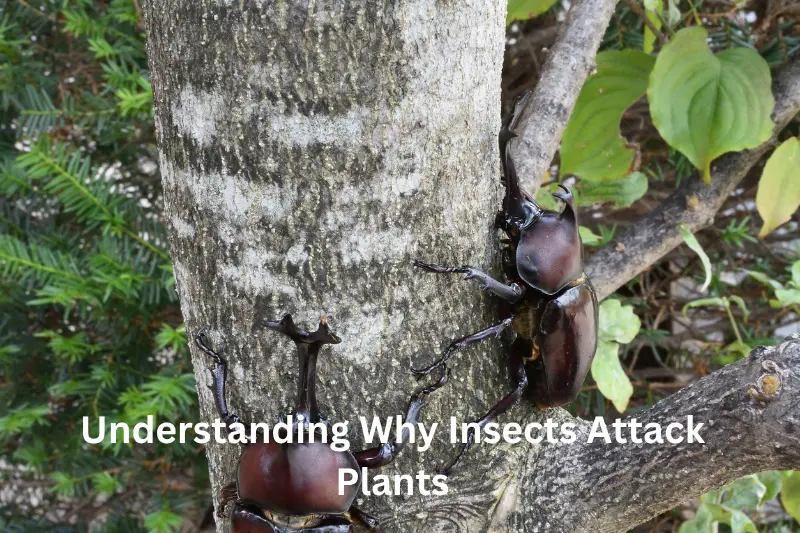
Before jumping into solutions, it’s important to understand what is really happening when insects show up on your plants. Insects are not random visitors; they are attracted to specific conditions. Most of the time, they appear when plants are stressed, overwatered, or kept in poorly ventilated spaces. For example, moisture-loving pests like fungus gnats thrive in damp soil, while aphids and mealybugs prefer soft, fresh plant growth where they can easily feed. Sometimes even dust buildup on leaves or overcrowding of plants creates the perfect environment for pests to settle in. Think of it like an ecosystem imbalance where insects take advantage of weak points in plant care. Once you realize this, the focus shifts from just killing insects to improving overall plant health so they don’t come back again and again.
You may also like to read these articles for more information
10 Must-Know Best Tips for Plant Growth for Amazing Success
Powerful Secrets for Success with Easy Grow Guide for Beginners
7 Proven How to Grow Plants at Home Secrets for Beginners
10 Powerful Step by Step Plant Growing Tips for Stunning Results Plant Growing Guide for Beginners That Makes Gardening Easy
Early Signs You Should Never Ignore
One of the biggest mistakes beginners make is noticing pests too late. Insects rarely appear overnight in large numbers; they usually start small and gradually increase. Early signs include tiny dots or discoloration on leaves, sticky surfaces that attract dust, fine webbing on stems, or very slow plant growth even when care routines haven’t changed. Sometimes you might even notice small flying insects when you water the plant or disturb the soil. These early warnings are actually your best opportunity to act quickly before the infestation spreads. The earlier you respond, the easier it is to control the situation without needing strong chemical treatments or drastic measures.
Simple Cleaning Methods That Make a Big Difference
One of the most underrated but highly effective ways to deal with pests is simple physical cleaning. Many beginners skip this step and go straight to sprays, but cleaning alone can remove a large portion of insects, especially in early stages. Gently wiping leaves with a damp cloth helps remove eggs, dust, and hidden pests. Washing plants with a gentle stream of water can also dislodge insects hiding under leaves or along stems. If a plant is heavily affected, trimming damaged leaves can help stop the spread and encourage healthier regrowth. This step may seem basic, but it creates a clean foundation that makes every other treatment more effective.
Using Soapy Water as a Natural Solution
Soapy water is one of the easiest home remedies for pest control and works surprisingly well for soft-bodied insects like aphids and mites. The soap breaks down their protective outer layer, making it difficult for them to survive. To use this method safely, a very mild soap solution is enough, and it should always be sprayed gently on both sides of leaves, especially the undersides where pests usually hide. It is important not to overuse soap or make the mixture too strong, as plants are sensitive and can react negatively if the solution is harsh. When used correctly, this method is both affordable and effective for beginners trying to control infestations naturally.
Neem Oil as a Long-Term Protection Method
Neem oil is often considered one of the most reliable natural pest control solutions because it not only kills insects but also disrupts their life cycle. Instead of acting instantly, it works gradually by making plants less attractive and less suitable for pests to reproduce. This makes it especially useful for long-term protection rather than quick fixes. When applied properly, neem oil coats the leaves and creates a protective layer that discourages insects from feeding or laying eggs. Many gardeners prefer it because it is natural, safe when used correctly, and effective against a wide range of common plant pests.
Garlic and Other Natural Repellents
Natural repellents like garlic sprays work by creating an environment that insects dislike. The strong compounds in garlic act as a deterrent, keeping many common pests away without harming the plant. These types of solutions are especially useful for prevention rather than heavy infestations. They can be used regularly as part of a plant care routine to reduce the chances of insects returning. While they may not completely eliminate a severe infestation on their own, they are a great supporting method alongside cleaning and neem oil treatments.
Soil Care and Its Role in Pest Control
Many people focus only on leaves and forget that soil plays a huge role in insect problems. Overwatered or poorly drained soil often becomes a breeding ground for pests like fungus gnats. When soil stays wet for too long, it creates the perfect environment for insects to lay eggs and multiply. Allowing the soil to dry slightly between watering, improving drainage, and avoiding constant moisture buildup can significantly reduce pest activity. In severe cases, replacing the top layer of soil or improving pot drainage can make a noticeable difference in controlling recurring infestations.
Preventing Insects From Coming Back
Once insects are removed, the next important step is prevention. Keeping plants clean, avoiding overwatering, ensuring good airflow, and regularly checking leaves can help maintain long-term plant health. New plants should always be inspected before placing them near existing ones because pests often spread from one plant to another without being noticed. Consistency is key here because even the best treatment won’t be effective if basic care habits are ignored. Prevention is less about effort and more about awareness and small daily habits that protect your plants over time.
Common Mistakes Beginners Should Avoid
Many plant owners unintentionally make pest problems worse by using overly strong chemicals too early, watering too frequently, or ignoring early warning signs. Another common mistake is treating only the visible insects without addressing the underlying cause, which leads to repeated infestations. Some also isolate plants too late, allowing pests to spread across multiple pots. Avoiding these mistakes makes pest management much easier and reduces long-term stress in plant care.
Conclusion
Dealing with plant pests can feel overwhelming at first, but once you understand the patterns and apply the right methods consistently, it becomes a manageable part of gardening rather than a constant struggle. The key is not to panic but to observe, act early, and maintain healthy plant habits that naturally discourage insects from returning. With time, you start noticing changes faster and responding more confidently, which makes plant care much more enjoyable. Learning how to remove insects from plants is not just about fixing a problem once—it’s about building a routine that keeps your plants strong, healthy, and naturally resistant over the long term.
FAQs
How do I know if insects are damaging my plants?
Yellow leaves, tiny holes, sticky surfaces, and weak growth are common signs that insects are attacking your plants.
What is the easiest way to remove insects from plants?
Spraying plants with mild soapy water and cleaning leaves regularly is one of the easiest and safest methods.
Can natural remedies remove insects from plants?
Yes, neem oil, garlic spray, and vinegar solutions are popular natural remedies that help control insects effectively.
How often should I check plants for insects?
It is best to inspect your plants every few days so you can spot insect problems early before they spread.
Can overwatering attract insects to plants?
Yes, too much moisture in soil can attract insects like fungus gnats and other plant pests.