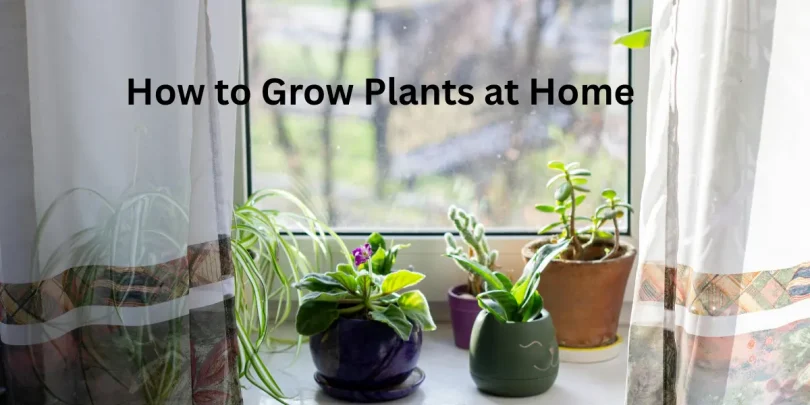

Life feels different when there’s greenery around you. A simple plant on your windowsill can lift your mood, freshen the air, and bring a sense of calm into your daily routine. You don’t need a big garden or special skills to get started—just a little curiosity and care. If you’ve been wondering where to begin, this complete guide on how to grow plants at home will walk you through everything in a simple, natural way that actually works.
Understanding Your Home Environment First

Before you bring any plant home, take a moment to observe your surroundings. This step is often ignored, yet it plays the biggest role in determining whether your plants will thrive or struggle.
Start with light. Walk around your home at different times of the day and notice where sunlight falls. Some areas may get bright, direct light, while others remain softly lit. This matters because different plants have different light needs. For example, herbs and flowering plants usually need strong sunlight, while plants like snake plants and pothos can survive in lower light.
Temperature is another key factor. Most indoor plants prefer a stable environment, not too hot and not too cold. Avoid placing plants near air conditioners, heaters, or drafty windows. Consistency helps plants grow stronger.
Humidity also matters, especially for tropical plants. Many homes have dry air, particularly during certain seasons. A simple trick like placing a tray of water near plants or grouping plants together can help create a better environment.
In recent years, people have started paying more attention to creating nature-inspired living spaces. Homes are being designed to feel more connected to nature, with greenery playing a central role in improving both aesthetics and well-being.
When you understand your home, you make smarter plant choices. Instead of guessing, you create a space where plants feel at home—and that’s when real growth begins.
Choosing the Right Plants for Beginners
Not all plants are the same, and choosing the right ones can make your experience smooth and enjoyable. If you start with plants that match your lifestyle, you’re far more likely to succeed.
For beginners, low-maintenance plants are the best choice. Snake plants, pothos, and ZZ plants are popular because they are forgiving and adapt easily. They don’t need constant attention and can handle small mistakes.
Herbs are also a great option. Growing mint, coriander, or basil at home gives you something useful while helping you learn the basics. These plants grow quickly, which keeps you motivated.
A strong trend today is choosing plants that are both beautiful and practical. Many people are growing herbs and small vegetables indoors, combining decoration with everyday usefulness.
There’s also growing interest in bold indoor plants with unique textures and colors. Instead of blending into the background, plants are becoming statement pieces that define a space.
If you’re unsure where to start, choose one or two easy plants and focus on them. As your confidence grows, you can expand your collection.
The goal is not to fill your home with plants all at once, but to grow your collection gradually, learning along the way.
You may also like to read these articles for more information
Daily Plant Care Routine That Actually Keeps Your Plants Thriving
Easy Plant Care at Home Guide to Keep Your Plants Healthy and Happy
Plant Care Tips for Beginners Made Simple for Healthy Indoor Growth
The Ultimate Guide to How to Care for Indoor Plants Like a Pro
Master the Best Way to Water Plants and Avoid Common Mistakes
Preparing Soil and Pots the Right Way
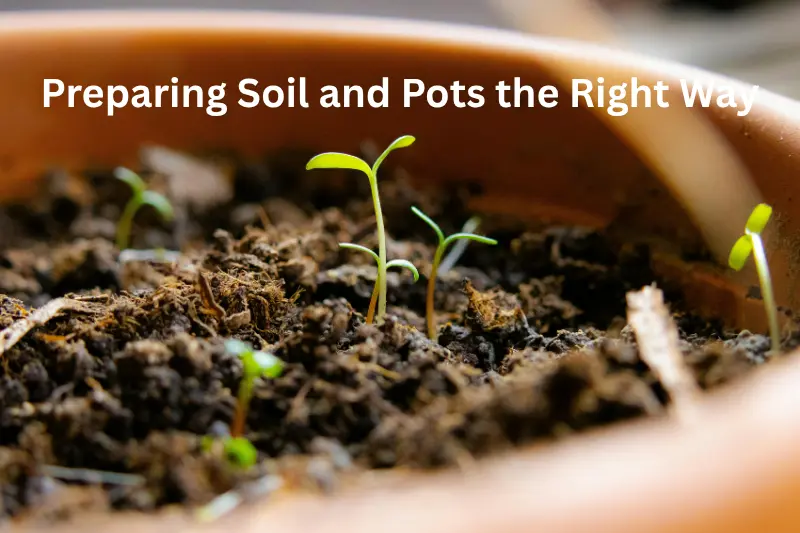
Healthy plants begin with the right foundation, and that foundation is soil. Many beginners underestimate its importance, but soil determines how well your plant absorbs water and nutrients.
Always use a good-quality potting mix for indoor plants. Regular garden soil can become too compact in pots, making it difficult for roots to breathe. Potting mix is designed to stay light and well-drained.
Drainage is essential. Always choose pots with holes at the bottom. Without proper drainage, water collects and causes root rot, which can quickly kill a plant.
A useful habit is to layer your pot correctly. Start with soil, place your plant, and gently fill around it. Avoid pressing the soil too tightly, as roots need space to grow.
Modern gardening is increasingly focused on root health. Instead of just looking at leaves and growth above the surface, more people are paying attention to what’s happening below the soil.
You can also enrich your soil by adding compost. Kitchen waste like fruit peels and vegetable scraps can be turned into natural fertilizer, reducing waste while improving plant health.
Think of soil as your plant’s home. When that home is healthy and balanced, everything else becomes easier.
Planting Seeds or Seedlings Step by Step
Planting is where the journey truly begins. It’s the moment you turn intention into action, and it’s surprisingly simple when done the right way.
Start by filling your pot with prepared soil. Leave a little space at the top to make watering easier. If you’re using seeds, follow the depth instructions carefully. Some seeds need to be buried slightly, while others should stay close to the surface.
Water the soil lightly before planting. This creates a welcoming environment for seeds to start growing. After placing the seeds, cover them gently and avoid pressing too hard.
If you’re planting seedlings, handle them carefully. Remove them from their original container without damaging the roots. Place them into the new pot and fill the surrounding space with soil.
Timing matters too. Even indoors, plants respond to seasonal changes. Many plants grow faster during warmer months when there is more natural light.
A helpful approach is staggered planting. Instead of planting everything at once, you can plant in small batches and enjoy continuous growth over time.
Planting is not just a step—it’s a moment of connection. Each seed holds potential, and every small action you take brings that potential closer to reality.
Watering Your Plants the Right Way
Watering seems simple, but it’s one of the most common reasons plants struggle. The key is not just watering, but watering correctly.
Most plants prefer soil that is moist but not soggy. Overwatering can suffocate roots, while underwatering can cause plants to dry out. The balance lies in observation.
A simple method is to touch the soil. If the top layer feels dry, it’s time to water. If it still feels damp, wait a little longer.
Morning is the best time to water plants. It allows moisture to reach the roots before the day gets warmer. Evening watering can sometimes lead to excess moisture staying overnight.
There’s also a growing awareness around using water wisely. Many people are adopting methods that reduce waste while still keeping plants healthy.
Humidity is another factor. Some plants, especially tropical ones, need higher humidity. Simple methods like misting or using pebble trays can help maintain moisture levels indoors.
Watering is not about following a strict schedule—it’s about understanding your plant’s needs. Once you learn that rhythm, your plants will respond beautifully.
Providing the Right Light and Temperature
Light is the energy that fuels plant growth. Without enough light, plants become weak and struggle to survive.
Different plants have different light needs. Some require direct sunlight for several hours, while others thrive in indirect light. Understanding this helps you place your plants in the right spots.
If your home doesn’t get enough sunlight, you can still grow plants by choosing varieties that adapt well to low light. Plants like ZZ plants and pothos are known for their ability to thrive in such conditions.
Temperature should remain stable. Sudden changes can stress plants and slow their growth. Most indoor plants prefer moderate temperatures and consistent conditions.
A popular trend in modern homes is blending indoor and outdoor living. People are moving plants between spaces depending on the season to give them better light and airflow.
Plants are also being used as statement pieces in home design, adding life and character to living spaces.
When light and temperature are balanced, plants grow stronger, healthier, and more vibrant.
Feeding, Pruning, and Ongoing Care
Plants need nutrients to stay healthy, and over time, the nutrients in soil get used up. That’s where feeding comes in.
Organic fertilizers are a great choice for home gardening. They release nutrients slowly and improve soil health over time. You don’t need to feed your plants frequently—once every few weeks is usually enough.
Pruning is another important step. Removing dead or damaged leaves helps the plant focus on healthy growth. It also improves airflow and keeps the plant looking fresh.
Cleaning leaves is often overlooked. Dust can block sunlight and attract pests. Wiping leaves gently keeps them healthy and improves their appearance.
Modern plant care focuses on simplicity. Instead of overcomplicating routines, people are choosing easy, consistent methods that support natural growth.
Regular observation is the most powerful tool you have. Look at your plants, notice changes, and respond early.
Caring for plants becomes easier when you treat it as part of your daily routine.
Dealing with Common Problems and Pests
Every plant owner faces challenges, and pests are part of the journey. The good news is that most problems can be managed easily if caught early.
Start by checking your plants regularly. Look for signs like yellow leaves, spots, or small insects. Early detection makes a big difference.
If pests appear, simple solutions often work best. Washing leaves with water or using natural treatments can remove most insects without harming the plant.
Keeping your plants clean and healthy is the best prevention. Strong plants are naturally more resistant to pests and diseases.
There is also a growing shift toward eco-friendly care methods. Many people now prefer natural solutions that are safe for both plants and their living spaces.
The key is patience. Problems are part of learning, and each challenge teaches you something new.
Latest Trends in Growing Plants at Home
Home gardening is evolving quickly, and new trends are shaping how people grow plants indoors.
One major trend is low-maintenance gardening. People are choosing plants that require less care but still look beautiful. This approach fits well with busy lifestyles while keeping homes green and lively.
Another trend is turning plants into design features. Instead of placing them randomly, plants are now arranged thoughtfully to enhance the overall look of a space. Hanging plants, vertical gardens, and creative layouts are becoming more common.
Sustainability is also becoming a priority. Many people are composting, reusing materials, and choosing eco-friendly options to reduce waste.
Rewilding is gaining attention as well, even in small spaces. This approach encourages natural growth and supports a healthier environment indoors and outdoors.
Perhaps the most meaningful trend is the focus on well-being. Gardening is now seen as a way to relax, reduce stress, and reconnect with nature in a simple, everyday way.
Conclusion
Growing plants at home is one of the simplest ways to bring life into your everyday routine. It doesn’t require perfection, just a willingness to learn and a little consistency.From choosing the right plant to caring for it daily, each step builds confidence and creates a deeper connection with nature. You begin to notice small changes, appreciate growth, and find joy in the proces.And as you continue this journey, you’ll discover that mastering how to grow plants at home is not just about plants—it’s about creating a healthier, more peaceful way of living.
What is the easiest way to start growing plants at home?
Start with low-maintenance plants like pothos, snake plants, or herbs such as mint and basil. Use a good potting mix, place them in a spot with proper light, and water only when the soil feels dry. Keeping it simple is the key to success.
2. How often should I water my indoor plants?
It depends on the plant type, but a general rule is to check the top inch of soil. If it feels dry, it’s time to water. Avoid overwatering, as it can damage the roots.
3. Which plants are best for beginners at home?
Beginner-friendly plants include snake plant, pothos, aloe vera, peace lily, and herbs like basil. These plants are forgiving and adapt well to indoor conditions.
4. Do indoor plants need sunlight every day?
Yes, most plants need light to grow, but not all require direct sunlight. Some thrive in indirect light, while others need several hours of direct sun. Choose plants based on your home’s lighting conditions.
5. Can I grow plants at home without a balcony?
Absolutely. Many plants grow well indoors near windows or in well-lit rooms. You can also use shelves, hanging pots, or small containers to maximize space.