
Starting your journey with plants often feels like stepping into something peaceful and exciting, but very quickly it can turn into confusion when leaves start turning yellow, soil stays wet longer than expected, or a plant that looked healthy suddenly begins to droop without warning. Most beginners go through this exact emotional cycle where they feel motivated at first and then slightly discouraged when things don’t go as planned, and this is completely normal because plant care is not something people automatically know, it is learned slowly through observation, mistakes, and small improvements over time, and that is exactly why plant care tips for beginners become so important because they help you avoid unnecessary frustration and guide you toward simple habits that actually work in real life instead of complicated theories that don’t help much when you are standing in front of a struggling plant trying to figure out what went wrong, and the truth is plants are not as fragile as they seem but they do require understanding of their basic needs which include light, water, soil, and consistency, and once you start paying attention to these simple factors instead of overthinking everything, plant care starts feeling less like a responsibility and more like a calming daily routine that brings life into your space.
Understanding How Plants Actually Work
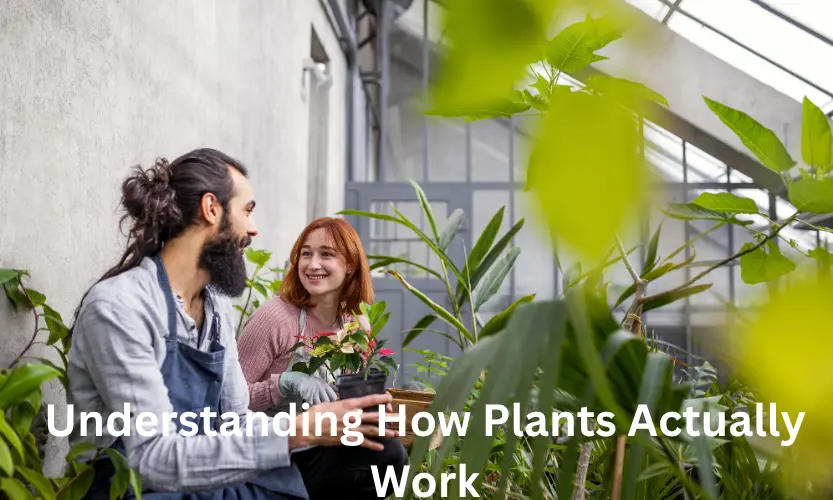
When you first start caring for plants, it is easy to assume that they behave randomly, but in reality they follow very simple biological patterns and respond directly to their environment, which means every change you see whether it is drooping leaves, slow growth, or color changes is actually a reaction to something in their surroundings, and the more you observe them instead of guessing, the easier it becomes to understand what they need, because plants communicate through their appearance rather than words, and beginners often miss these signals because they either ignore small changes or react too late, and learning to slow down and simply observe is one of the most powerful skills you can develop early on, since plant care is less about doing more and more about doing the right things at the right time, and once you accept that plants do not need constant interference but rather stable conditions, you naturally start making fewer mistakes and building more confidence in your ability to care for them.
Choosing Plants That Match Your Level
One of the most important steps for beginners is choosing plants that match your current experience level rather than selecting ones based only on appearance, because many attractive plants actually require very specific conditions that are difficult to maintain without experience, and this leads to unnecessary disappointment when they start struggling despite your efforts, so instead of focusing on rare or high-maintenance plants, it is far better to start with simple, forgiving plants that can tolerate small mistakes and still survive while you are learning, and this approach reduces stress and allows you to build confidence gradually, because when you see a plant staying healthy under your care, it motivates you to continue learning instead of giving up, and over time you naturally develop the understanding needed to handle more delicate plants without feeling overwhelmed.
Light Requirements Made Simple

Light is one of the most important factors in plant health, but beginners often find it confusing because it is not always obvious how much light a plant actually needs, and the mistake many people make is assuming that any bright room is good enough when in reality plants respond very specifically to light intensity, direction, and duration, and this means that a plant placed near a window that gets gentle morning light may behave very differently from one exposed to harsh afternoon sun or kept in a dim corner, and instead of stressing about technical definitions, the simplest way to understand light is to observe how your space behaves during the day and match your plant’s response to it, because plants that stretch toward light are usually asking for more, while plants that develop pale or weak leaves may be getting too much or too little depending on the type, and once you start adjusting placement slowly instead of frequently moving plants around, you create stability which helps them grow healthier and stronger over time.
You may also like to read these articles for more information
10 Must-Know Best Tips for Plant Growth for Amazing Success
Powerful Secrets for Success with Easy Grow Guide for Beginners
7 Proven How to Grow Plants at Home Secrets for Beginners
10 Powerful Step by Step Plant Growing Tips for Stunning Results
Plant Growing Guide for Beginners That Makes Gardening Easy
Watering Without Overthinking
Watering is where most beginners start feeling unsure because it looks simple on the surface but quickly becomes confusing when different plants react differently even if you water them the same way, and this is where most mistakes happen because people try to follow a fixed schedule like “water every three days” without actually checking what the plant needs, but the reality is plants do not follow calendars, they follow soil conditions, temperature, light, and humidity, which means the best approach is always observation instead of assumption, and a very simple habit that makes a huge difference is checking the soil before watering instead of guessing, because if the soil is still moist then the plant is not ready for more water even if it has been a few days, and this one adjustment alone can prevent overwatering which is actually one of the most common reasons beginners lose plants, and on the other side underwatering is usually easier to fix because most plants can recover once they receive proper hydration again, so the goal is not to water frequently but to water correctly, slowly learning how your specific plants behave in your specific environment rather than trying to copy generic advice that does not match your situation.
Soil and Drainage Basics
Soil is often ignored by beginners because it looks like just “dirt,” but in reality it is the foundation of plant health because it controls how water moves, how roots breathe, and how nutrients are stored, and if the soil is too compact it holds excess water which can suffocate roots, while if it is too loose it may dry out too quickly and leave the plant stressed, so finding a balanced soil mix that drains well but still retains some moisture is important, and equally important is drainage because without holes at the bottom of the pot, water has nowhere to escape and slowly builds up around the roots leading to rot, which is one of the hardest problems to fix once it starts, so even if everything else is correct, poor drainage can still harm a plant significantly, and beginners often don’t realize that the pot itself plays as big a role as watering or light, which is why choosing the right container and soil combination early on saves a lot of trouble later and creates a healthier environment for long-term growth.
Fertilizer and Plant Nutrition
Fertilizer often feels like something you must use to make plants grow faster, but the truth is that most beginner plants do not need frequent feeding, especially if they are already in fresh soil that contains nutrients, and using too much fertilizer too early can actually harm roots rather than help them, so the smarter approach is to wait until the plant has settled and is actively growing before adding any nutrients, and even then it should be done in small, controlled amounts rather than heavy feeding, because plants absorb nutrients slowly and excess buildup can create more stress than benefit, and instead of thinking of fertilizer as a growth booster, it is better to think of it as a long-term support tool that helps maintain health over time rather than fix immediate problems, and many issues that beginners try to solve with fertilizer are actually related to light, water, or soil conditions, so correcting those basics first is always more effective than adding extra products.
Common Beginner Mistakes
One of the biggest challenges for beginners is not lack of care but too much care, because overthinking every small change often leads to unnecessary actions like frequent watering, constant repositioning of plants, or overfeeding, all of which create instability instead of helping growth, and another common mistake is ignoring early warning signs like slightly drooping leaves or subtle color changes, because these are often the first indicators that something needs adjustment, and instead of reacting quickly with major changes, it is better to make small, gradual corrections and observe the results over time, because plants respond slowly and need consistency to recover properly, and patience becomes a key skill in plant care since rushing usually causes more problems than solutions, and once beginners learn to trust the process instead of constantly interfering, plant care becomes significantly easier and more enjoyable.
Conclusion
At the end of the day, plant care is not about perfection or having deep botanical knowledge, it is about building awareness, consistency, and patience over time, and every beginner starts with confusion but gradually improves just by observing and adjusting small habits, and once you stop trying to control everything and instead start understanding your plants as living systems that respond to their environment, the entire experience becomes much more natural and less stressful, and even mistakes turn into learning opportunities rather than failures. plant care tips for beginners
FAQs
What is the easiest way to start plant care as a beginner
Start with low maintenance plants, use well draining soil, and follow a simple watering routine based on soil dryness instead of a fixed schedule
How often should beginners water their plants
Watering depends on plant type and environment, but a good rule is to check the soil first and only water when it feels dry to touch
What are the best indoor plants for beginners
Beginner friendly plants usually include hardy varieties that can tolerate different light levels and do not need frequent watering or special care
Why are my plant leaves turning yellow
Yellow leaves often indicate overwatering, poor drainage, or lack of proper light, so adjusting these conditions usually helps improve plant health
Do beginner plants need fertilizer
Yes, but only in small amounts and not too frequently, as too much fertilizer can harm young plants more than help them