
We’ve all been there. You walk into a store, spot the most gorgeous little plant, bring it home with the best intentions, and two weeks later… it’s a sad, droopy mess sitting on your windowsill looking like it gave up on life. Sound familiar? You’re not alone.Learning how to care for indoor plants is one of those things that sounds simple until you’re actually doing it. Nobody warns you about overwatering. Nobody tells you that “indirect sunlight” means something very specific. And nobody prepares you for the guilt of accidentally killing something that was literally just sitting there.But here’s the good news — keeping indoor plants alive and thriving is absolutely something you can learn. It doesn’t require a green thumb, a fancy greenhouse, or years of experience. What it requires is a little bit of knowledge, some consistency, and the willingness to pay attention to what your plants are telling you.This guide is your friendly, no-nonsense starting point. We’re going to walk through everything together — watering, light, soil, pots, humidity, feeding, and even how to troubleshoot when things go wrong. By the end, you’ll feel genuinely confident about caring for your indoor plants.
Why Indoor Plants Are Worth the Effort
Before we get into the how, let’s quickly talk about the why — because when you understand what plants bring to your life, you actually want to take care of them.
Indoor plants do so much more than just look pretty. They help purify the air by absorbing toxins and releasing fresh oxygen. Studies have shown that having greenery around can reduce stress, boost your mood, and even improve your focus and productivity. If you work from home, a few plants around your workspace can genuinely make a difference in how you feel throughout the day.
There’s also something deeply satisfying about nurturing a living thing. Watching a new leaf unfurl, seeing your plant grow taller, noticing roots peeking out from the bottom of the pot — it’s genuinely exciting once you get into it. Plants teach you patience and presence in a way that very few hobbies do.
And honestly? A well-placed plant just makes any room feel warmer, more alive, and more like a home.
Choosing the Right Plant for Your Space
Here’s where most beginners go wrong — they fall in love with a plant that was never going to survive in their home. Real talk: not every plant thrives in every environment, and that’s okay. The key is matching the plant to your actual living conditions, not the conditions you wish you had.
Understanding Your Home’s Light Levels
Light is probably the single most important factor in choosing the right plant. Before you buy anything, spend a day just observing your home. Notice where the sun hits, how long it stays, and how bright different areas get.
A south-facing window gets the most light throughout the day and is great for plants that love sun. East-facing windows get gentle morning light, which is perfect for a wide range of houseplants. West-facing windows get strong afternoon sun, which can be intense. North-facing windows get the least light and are best suited for shade-tolerant plants.
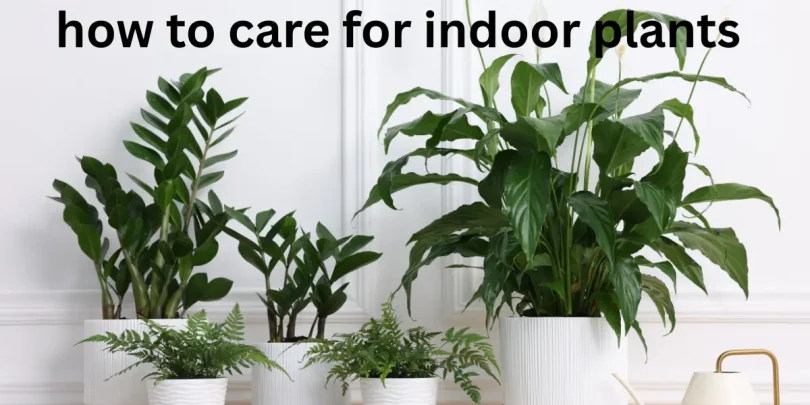
If your home is on the darker side, don’t panic. There are plenty of gorgeous plants that actually prefer low light — snake plants, pothos, ZZ plants, cast iron plants, and peace lilies are all wonderful options. They’re forgiving, easygoing, and nearly impossible to kill.
You may also like to read these articles for more information
10 Must-Know Best Tips for Plant Growth for Amazing Success
Powerful Secrets for Success with Easy Grow Guide for Beginners
7 Proven How to Grow Plants at Home Secrets for Beginners
10 Powerful Step by Step Plant Growing Tips for Stunning Results
Plant Growing Guide for Beginners That Makes Gardening Easy
Thinking About Your Lifestyle
Be honest with yourself here. Are you someone who will remember to water a plant every few days, or are you more of a once-a-week (at best) kind of person? Do you travel often? Do you have pets or small children who might interact with your plants?
If you’re forgetful or busy, choose drought-tolerant plants like succulents, cacti, snake plants, or ZZ plants. These plants store water and can go long stretches without attention. If you love the idea of a lush, tropical vibe and are willing to put in a bit more effort, plants like monsteras, pothos, and peace lilies are a great middle ground.
Starting Small and Building Confidence
There’s no shame in starting with just one or two plants. In fact, that’s the smartest approach. Get to know those plants, understand their needs, and build your confidence before expanding your collection. A beginner who successfully keeps two plants alive is in a much better position than someone who buys fifteen plants and watches them all struggle.
How to Water Indoor Plants the Right Way
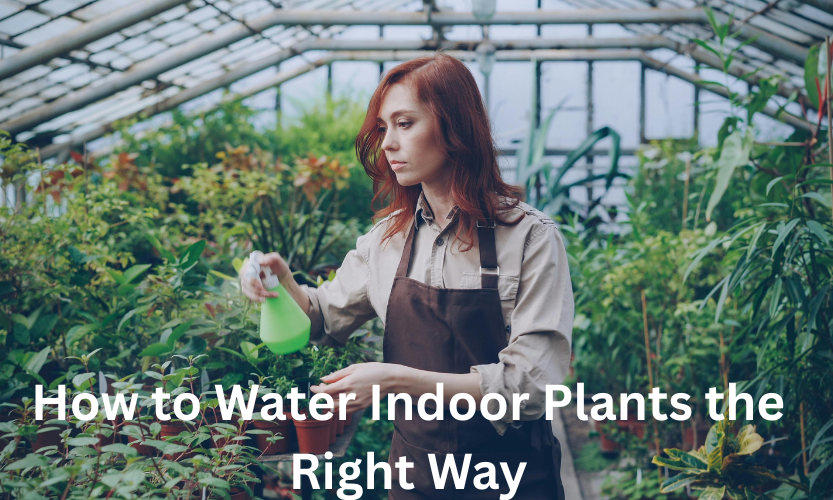
Watering sounds so simple, right? Just pour some water in and you’re done. Except it’s not quite that straightforward, and improper watering is the number one reason houseplants die. The deal is, both overwatering and underwatering are problems — but overwatering is actually more common and more damaging.
The Golden Rule of Watering
Here’s a rule you should never forget: water the plant, not the schedule. Too many beginners water on a fixed schedule — every Tuesday and Friday, for example — without actually checking whether the plant needs it. The problem is that plants don’t operate on your calendar. Their water needs change depending on the season, the temperature, the humidity in your home, and how fast the soil dries out.
The right approach is to check the soil before you water. Stick your finger about an inch into the soil. If it feels moist, leave it alone. If it feels dry, water thoroughly. It’s as simple as that.
How to Water Properly
When you do water, water deeply and thoroughly. Pour water slowly and evenly across the surface of the soil until it starts to drain out from the bottom of the pot. This encourages the roots to grow downward in search of moisture, which makes for a stronger, healthier plant.
Empty the drainage tray about thirty minutes after watering. Letting your plant sit in standing water is a fast track to root rot, which is one of the most common and most serious problems for indoor plants.
Signs of Overwatering vs. Underwatering
Yellowing leaves that feel soft and mushy usually indicate overwatering. The roots may be sitting in too much moisture and starting to rot. Wilting, crispy leaf edges, and very dry, pulling-away-from-the-pot soil usually indicate underwatering. Some plants, like pothos, will dramatically droop when they’re thirsty but bounce back quickly once watered.
One helpful trick is to lift the pot. A pot that feels very light is likely dry and needs water. A pot that still feels heavy is probably still holding moisture. Over time, you develop a feel for it.
Light: Giving Your Plants What They Actually Need
We touched on light when talking about choosing plants, but let’s go a bit deeper because understanding light is genuinely a game-changer for plant care.
What “Indirect Light” Actually Means
You’ll see the phrase “bright, indirect light” on almost every plant care tag, and it trips a lot of beginners up. It simply means light that doesn’t directly hit the plant’s leaves — no harsh sun rays beaming straight onto the foliage. Think of a spot that’s well-lit but not in direct sun. A few feet back from a sunny window, or near a window that gets diffused light through a sheer curtain, is usually ideal.
Direct sunlight through a window can be surprisingly intense and can scorch the leaves of many houseplants, leaving brown, crispy patches. It’s always better to err on the side of a little less light than too much.
Low Light vs. No Light
Low light does not mean no light. Every plant needs some natural light to survive. If a room has no windows and only relies on artificial lighting, most plants will struggle. That said, some plants can do reasonably well under grow lights or bright artificial lighting, especially if you’re willing to invest in a good-quality LED grow light.
If you notice your plant leaning heavily toward a light source, getting leggy and elongated, or producing smaller leaves than usual, it’s likely not getting enough light. Move it closer to a window and see if things improve.
Rotating Your Plants
Here’s a small tip that makes a big difference — rotate your plant a quarter turn every week or two. This ensures all sides get equal light exposure and helps the plant grow evenly rather than leaning dramatically in one direction. It takes about two seconds and your plant will thank you.
Soil, Pots, and Drainage: The Foundation of Healthy Plants
Good plant care starts literally from the ground up. The right soil and the right pot make everything else easier.
Choosing the Right Soil Mix
Not all soil is the same, and using the wrong type can seriously affect your plant’s health. Regular garden soil is too dense for most indoor plants — it compacts easily, doesn’t drain well, and can suffocate roots. What you want is a well-draining potting mix designed specifically for houseplants.
For most tropical houseplants, a standard indoor potting mix works well. For succulents and cacti, use a special cactus or succulent mix that contains extra grit or perlite to allow rapid drainage. For orchids, you need a chunky, bark-based mix. For plants that love moisture, like ferns, a mix with added peat or coconut coir helps retain moisture without waterlogging.
You can also amend your potting mix by adding perlite — those small white particles you often see in soil — which improves aeration and drainage. It’s cheap, widely available, and genuinely helpful.
Drainage Holes Are Non-Negotiable
Every pot you use for a houseplant should have at least one drainage hole at the bottom. Without drainage, excess water has nowhere to go and just sits around the roots, which leads to root rot. This is one of the most important things to get right.
If you fall in love with a decorative pot that has no drainage hole, use it as a cachepot — place your plant in a plain plastic nursery pot with drainage and then set that inside your decorative pot. Best of both worlds.
Knowing When to Repot
Plants don’t need to be repotted all the time, but when they outgrow their container, they’ll let you know. Signs that it’s time to repot include roots growing out of the drainage holes, roots circling tightly around the root ball, the plant drying out very quickly after watering, or the plant looking too large and top-heavy for its pot.
When repotting, choose a pot that’s only one to two inches larger in diameter than the current one. Going too large too fast can lead to too much soil retaining too much moisture, which — you guessed it — can cause root rot.
Humidity and Temperature: The Indoor Climate Your Plants Crave
Most popular houseplants originally come from tropical environments where humidity is high and temperatures are stable. Your home, especially in winter with the heating cranked up, can be a pretty dry place. Here’s how to create a more plant-friendly environment.
How to Increase Humidity
There are a few easy ways to boost humidity around your plants. Grouping plants together naturally creates a more humid microclimate as they release moisture through their leaves. Placing a tray of water with pebbles near your plants — and resting the pots on top — allows water to evaporate and add moisture to the surrounding air without the pots sitting directly in water.
A small humidifier placed near your plant collection is one of the most effective solutions, especially in very dry climates or during winter. Many plant lovers swear by this approach for keeping their tropical plants genuinely happy.
Misting is a popular suggestion but a somewhat controversial one. While it can temporarily raise humidity around a plant, it doesn’t last long and can sometimes encourage fungal issues on leaves if the foliage stays wet for extended periods. If you do mist, do it in the morning so leaves have time to dry.
Temperature Considerations
Most houseplants prefer temperatures between 15°C and 24°C (60°F to 75°F), which is conveniently the range most people keep their homes in. What plants really dislike are sudden temperature swings — drafts from open windows, cold air from air conditioning vents, or heat blasting from a radiator.
Keep your plants away from heating and cooling vents, drafty windows, and exterior doors. Consistency is key — plants that experience stable temperatures are generally much happier and more resistant to stress and disease.
Common Indoor Plant Problems and How to Fix Them
Even when you do everything right, plants sometimes have problems. The good news is that most issues are identifiable and fixable once you know what to look for.
Yellow Leaves
Yellow leaves are probably the most common complaint from plant owners. They can mean a few different things — overwatering, underwatering, low light, nutrient deficiency, or natural aging of older lower leaves. Check the soil moisture first. If the soil is soggy, let it dry out and consider improving drainage. If the soil is bone dry, water more consistently. If watering and light seem fine, a dose of fertilizer during growing season might help.
Brown Leaf Tips and Edges
Crispy brown tips are usually a sign of low humidity, inconsistent watering, or fertilizer salt buildup. Try increasing humidity, establishing a more consistent watering routine, and flushing the soil occasionally by running water through it for a couple of minutes to leach out accumulated salts.
Drooping or Wilting
Wilting can mean the plant is too dry — or it can mean the roots are so waterlogged they can no longer function properly. Check the soil. Very dry soil means the plant needs water. Wet or soggy soil despite wilting is a red flag for root rot.
Pests
Common houseplant pests include fungus gnats, spider mites, mealybugs, and scale insects. Fungus gnats are tiny flies that hover around the soil — they breed in consistently moist, organic soil. Letting the top layer of soil dry out between waterings usually deals with them effectively.
Spider mites create fine webbing under leaves and thrive in hot, dry conditions. Increasing humidity and wiping down leaves with a damp cloth helps. Mealybugs look like small cottony clusters — dab them with rubbing alcohol on a cotton swab and remove them manually. For most pests, a spray of diluted neem oil applied every few days is an effective and relatively natural treatment.
Leggy or Stretched Growth
If your plant is producing long, stretched stems with lots of space between leaves, it’s reaching for light that isn’t there. Move it to a brighter spot and the new growth should come in fuller and more compact.
Building a Simple Plant Care Routine
One of the best things you can do for your plants — and for your own peace of mind — is build a simple, consistent routine.
Weekly Habits
Once a week, take a few minutes to check in with all your plants. Check the soil moisture of each one and water those that need it. Have a quick look at the leaves for any signs of pests, yellowing, or distress. Rotate each plant slightly. This weekly check-in becomes second nature quickly and takes very little time once you’re in the habit.
Monthly Habits
Once a month during the growing season, fertilize your plants. Take a closer look at each plant — check whether any are rootbound and might need repotting, wipe down the leaves, and trim off any dead or dying growth.
Seasonal Adjustments
As seasons change, your plants’ needs change too. In winter, when light is lower and heating is on, you’ll likely water less and might want to skip fertilizing altogether. In summer, plants may need more frequent watering. Moving plants closer to windows in winter to catch the lower-angled sun is a good habit.
The Mindset Shift That Changes Everything
Here’s something that took a lot of plant lovers a while to learn — your goal isn’t to keep your plants alive. Your goal is to understand them.
When you shift from a survival mindset to a curiosity mindset, everything changes. Instead of panicking when a leaf turns yellow, you get curious. Instead of watering on a schedule, you observe. Instead of buying plants because they look pretty in the store, you choose plants that actually suit your home and lifestyle.
Plants are communicative. They tell you what they need through the color of their leaves, the state of their soil, the speed of their growth, and the way they hold themselves. Learning to read those signals is the real skill of plant care, and it’s something you genuinely develop over time.
Be patient with yourself. Every plant you struggle with teaches you something valuable. Every plant you successfully care for builds your confidence. There are no failures — only learning experiences.
Conclusion
So there you have it — a real, honest, friendly walk through everything you need to know about how to care for indoor plants as a beginner.You don’t need to be an expert. You don’t need perfect conditions or expensive tools. You just need to start, stay curious, and give yourself grace when things don’t go perfectly.Pick one plant. Get to know it. Water it when it needs it. Put it somewhere with decent light. Check in on it regularly. That’s honestly the heart of it.
Your actionable checklist to get started:
- Choose a beginner-friendly plant that suits your light conditions
- Buy a pot with drainage holes and good quality potting mix
- Check soil moisture before every single watering
- Find the right spot for your plant based on light needs
- Set a weekly reminder to check in on your plants
- Fertilize once a month in spring and summer only
- Wipe leaves clean every few weeks
- Learn to read your plant’s signals — they’re always communicating
- Be patient, stay curious, and enjoy the process
FAQs
How often should I water my indoor plants?
Most indoor plants do best when watered once a week, but it really depends on the plant type and season. Always check the soil first — if the top inch feels dry, it’s time to water. Overwatering is actually the most common mistake people make.
What kind of light do indoor plants need?
It varies by plant, but most thrive in bright, indirect sunlight near a window. Avoid harsh direct sun, which can scorch leaves. Low-light plants like pothos or snake plants do well even in dimmer corners of your home.
Why are the leaves on my indoor plant turning yellow?
Yellow leaves are usually a sign of overwatering, poor drainage, or lack of nutrients. Check if the soil is staying too wet and make sure your pot has proper drainage holes. A balanced liquid fertilizer once a month can also help a lot.
Do indoor plants need fertilizer?
Yes, but not too much. During the growing season — spring and summer — feeding your plants with a balanced fertilizer once a month gives them the boost they need. Cut back in fall and winter when plant growth naturally slows down.
What are the easiest indoor plants to care for as a beginner?
Snake plants, pothos, ZZ plants, and peace lilies are fantastic for beginners. They’re forgiving, low-maintenance, and can handle a little neglect. They’re a great way to build your confidence before moving on to more demanding plants.