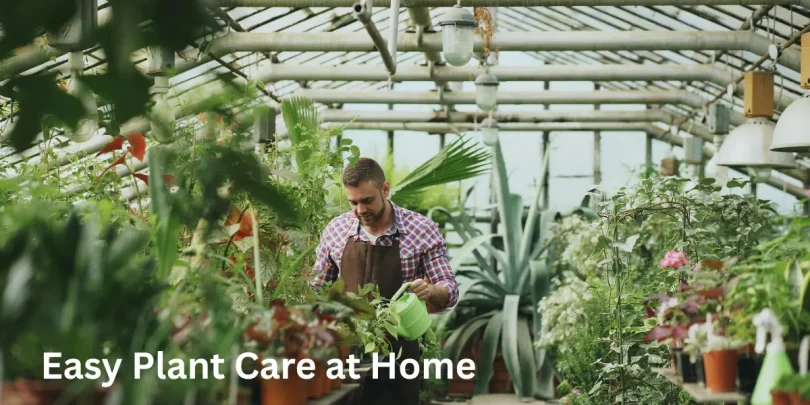

If you’ve ever brought home a plant with full excitement and then watched it slowly lose life despite your efforts, you’re definitely not alone. Real talk, most of us start with good intentions but end up confused by yellow leaves, droopy stems, or soil that never seems quite right. It can feel like plants are complicated or even a little dramatic, especially when every guide online seems overly technical. But here’s the deal—taking care of plants doesn’t have to be stressful or perfect. With the right mindset and a few simple habits, easy plant care at home becomes something you naturally get better at over time, almost like learning how to cook your favorite meal.
Understanding What Your Plants Actually Need
The biggest shift that makes plant care easier is understanding that plants are living systems responding to their environment rather than objects that follow strict rules. Instead of memorizing schedules, it’s more helpful to observe patterns. Plants need light, water, air, and a stable environment, but how much of each depends on the type of plant and where you place it. When beginners struggle, it’s usually because they try to follow fixed routines without noticing what their plant is actually telling them. Leaves turning yellow, soil staying wet for too long, or slow growth are all signals. Once you start paying attention to these small changes, things begin to make sense naturally.
Choosing the Right Plants for a Stress-Free Start
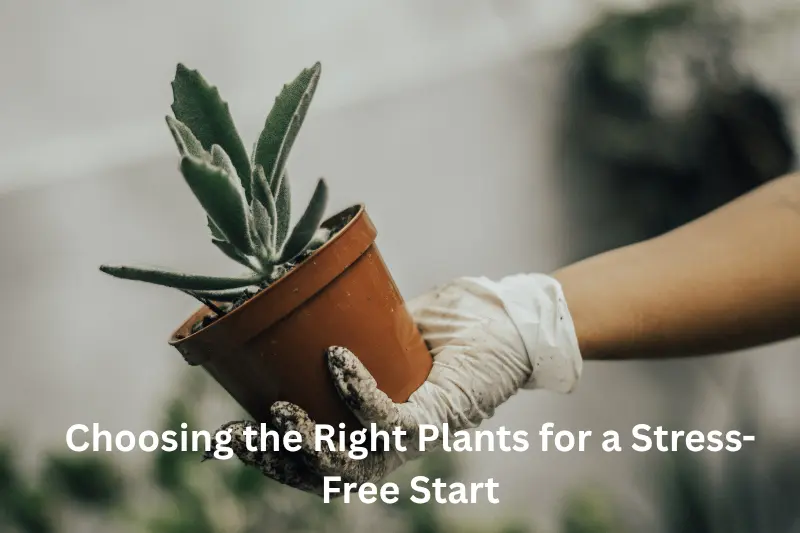
One of the smartest ways to make things easier is to start with plants that are naturally forgiving. Not all plants are meant for beginners, and picking the wrong one can make you feel like you’re doing everything wrong when you’re not. Some plants adapt easily to different conditions and don’t mind if you forget them for a bit, which is perfect if you’re just starting out. Snake plants, pothos, and peace lilies are popular because they tolerate low light and irregular watering. Starting with these gives you space to learn without constant pressure, and that confidence makes a huge difference in how you approach plant care later on.
Light: The One Factor You Should Never Ignore
Light is often the most misunderstood part of plant care, yet it’s the most important. Many beginners either place plants in dark corners because it looks nice or expose them to harsh direct sunlight thinking more light is always better. The truth is, different plants have different light preferences. Some thrive in bright indirect light, while others are fine with lower light conditions. A simple way to understand this is by observing how bright your room feels during the day. If you can comfortably read without turning on a light, that’s usually a good sign for most indoor plants. Adjusting your plant’s position even slightly can completely change how well it grows.
Watering Without Overthinking It
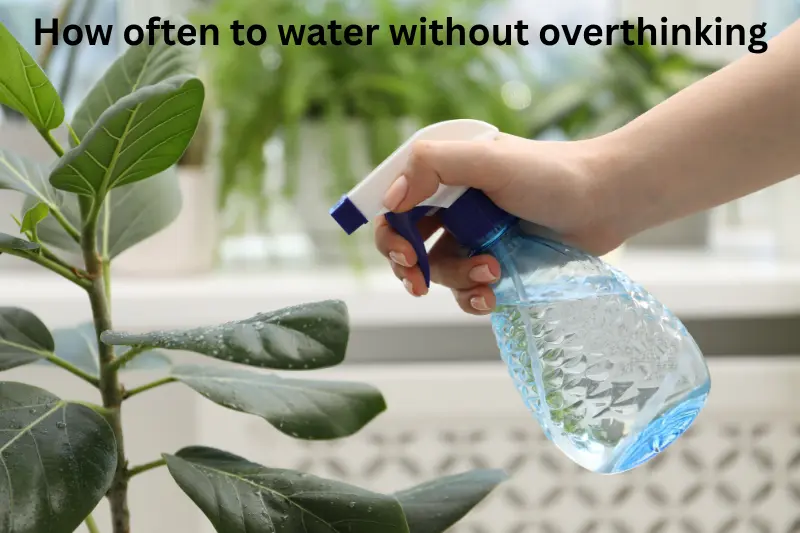
Watering is where most people get stuck, mainly because they either overwater or underwater out of fear. Here’s the deal—plants don’t need water on a fixed schedule; they need it when the soil is dry enough. Instead of watering every day or every week, try touching the top layer of soil. If it feels dry, it’s time to water. If it still feels moist, wait a bit longer. Overwatering is more harmful than underwatering because it can lead to root rot, which is harder to fix. Once you get used to checking the soil rather than following a routine, watering becomes much more intuitive.
You may also like to read these articles for more information
10 Must-Know Best Tips for Plant Growth for Amazing Success
Powerful Secrets for Success with Easy Grow Guide for Beginners
7 Proven How to Grow Plants at Home Secrets for Beginners
10 Powerful Step by Step Plant Growing Tips for Stunning Results
Plant Growing Guide for Beginners That Makes Gardening Easy
The Truth About Soil and Pots
Soil and pots might seem like small details, but they actually play a big role in how healthy your plant stays. Good soil should drain well while still holding enough moisture for the roots. Using heavy, compact soil can trap water and suffocate roots, which leads to problems over time. Pots with drainage holes are equally important because they allow excess water to escape instead of sitting at the bottom. If your plant is constantly struggling despite proper watering and light, the issue might be hidden in the soil or pot setup.
Creating a Simple Routine That Works for You
Consistency matters more than perfection when it comes to plant care. Instead of trying to do everything at once, focus on building a simple routine that fits your lifestyle. For example, you can check your plants twice a week, adjust their position if needed, and water only when necessary. Keeping things simple prevents overwhelm and makes plant care feel like a small, enjoyable part of your day rather than a chore. Over time, these small actions add up and create a stable environment where your plants can thrive.
Common Mistakes Beginners Make (And How to Avoid Them)
Every beginner makes mistakes, and honestly, that’s part of the learning process. One common mistake is moving plants too often, which can stress them out. Another is using too much fertilizer, thinking it will speed up growth, when in reality it can harm the plant. Ignoring humidity levels is also something people overlook, especially in indoor environments where air can be dry. The key is to keep things balanced and avoid extremes. When something goes wrong, treat it as feedback rather than failure and adjust your approach accordingly.
Understanding Plant Growth Takes Time
One thing that often gets overlooked is patience. Plants don’t grow overnight, and expecting quick results can lead to frustration. Growth happens gradually, and sometimes it’s not immediately visible. A new leaf, a stronger stem, or even stable health is a sign that your plant is doing well. When you stop rushing the process and start appreciating small changes, plant care becomes more rewarding and less stressful.
Making Your Space Plant-Friendly Without Effort
You don’t need a perfect setup or expensive tools to create a good environment for your plants. Small adjustments can make a big difference. Placing plants near windows, rotating them occasionally for even growth, and keeping them away from extreme temperature changes are simple steps that improve their health. It’s more about being mindful of your space rather than trying to create an ideal setup from scratch.
Building Confidence Through Small Wins
Confidence in plant care doesn’t come from reading everything at once; it comes from experience. Each time you notice your plant doing well or recover from a small mistake, you build trust in your ability to care for it. Over time, what once felt confusing starts to feel natural. You begin to recognize patterns, understand your plants better, and make decisions without second-guessing yourself.
Final Thoughts: Keep It Simple and Enjoy the Process
At the end of the day, plant care is not about being perfect or following strict rules, it’s about building a connection with your plants and understanding what works in your space, and once you stop trying to control every detail and instead focus on observing and adjusting, the whole experience becomes more relaxed and enjoyable, and even the mistakes turn into valuable lessons that help you grow alongside your plants, so if you’re just starting out or feeling unsure, remember that easy plant care at home is really about keeping things simple, staying consistent, and giving yourself the time to learn without pressure
Quick Takeaway Checklist
Check soil before watering instead of following a fixed schedule
Place plants where they get suitable natural light
Use pots with drainage to prevent water buildup
Start with low-maintenance plants to build confidence
Observe your plant regularly and adjust care as needed
FAQs
What is the easiest way to start easy plant care at home
Start with low-maintenance plants, place them in proper light, and stick to a simple watering routine without overthinking
How often should I water my plants at home
Most indoor plants need watering once the top layer of soil feels dry, but it depends on the plant type and environment
What are the best plants for easy plant care at home
Snake plants, pothos, and succulents are great options because they require minimal attention and adapt easily
How do I know if my plant is getting enough sunlight
If the leaves look bright and healthy, it’s getting enough light, but if they turn pale or droopy, adjust the placement
What is the biggest mistake in easy plant care at home
Overwatering is the most common mistake, as it can damage roots and lead to plant decay quickly