
You know that slightly stressful moment when you stand in front of your plant holding a watering can and thinking, “Am I about to help you or accidentally ruin you?” Real talk, almost everyone who starts keeping plants goes through this phase where nothing feels certain, the leaves start changing color, the soil looks confusing, and every bit of advice online seems to contradict the last thing you read, and that is exactly why figuring out the best way to water plants feels harder than it should, because it is not just about pouring water but about understanding a living thing that reacts differently depending on its environment, its type, and even the time of year, and once you shift your mindset from following strict rules to actually observing what your plant is telling you, the entire process becomes more natural, less stressful, and surprisingly enjoyable, like you are slowly building a quiet connection where you begin to notice the small details that used to go completely unnoticed before
Why watering feels more complicated than it should
Here’s the deal, watering sounds simple in theory but becomes confusing because people expect a fixed formula, like water every two days or once a week, but plants do not work like machines, they are influenced by temperature, humidity, pot size, soil type, and even airflow in your room, so when someone gives you a rigid schedule without context, it often leads to problems, and this is why beginners either end up overwatering out of fear of dryness or underwatering because they are scared of root rot, and both of these extremes can harm your plant, so the real solution is not memorizing schedules but learning how to interpret what is happening in the soil and the leaves, because that is where the real information is
What watering actually does for your plant
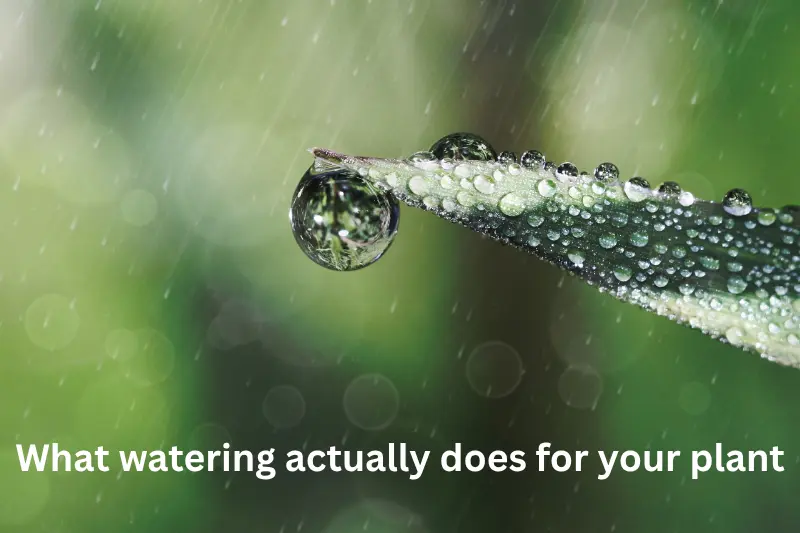
Water is not just something plants “need,” it is the medium that allows nutrients to move through the soil into the roots, it maintains the internal pressure of plant cells which keeps leaves firm and upright, and it supports overall metabolic processes that keep the plant alive and growing, so when watering is off, everything else starts to suffer, if there is too little water the plant cannot transport nutrients properly and begins to dry out, and if there is too much water the roots cannot breathe and start to rot, so watering correctly is not just one part of plant care, it is the foundation that everything else depends on
You may also like to read these articles for more information
10 Must-Know Best Tips for Plant Growth for Amazing Success
Powerful Secrets for Success with Easy Grow Guide for Beginners
7 Proven How to Grow Plants at Home Secrets for Beginners
10 Powerful Step by Step Plant Growing Tips for Stunning Results Plant Growing Guide for Beginners That Makes Gardening Easy
Learning to read your plant instead of guessing
No fluff, one of the most valuable skills you can develop is simply observing your plant regularly, because plants communicate in subtle ways, when the soil feels dry to the touch and the leaves start to look slightly droopy or less vibrant, that is usually a sign your plant needs water, and on the other hand when the soil stays wet for too long and leaves turn yellow or soft, it is often a sign of overwatering, and once you start paying attention to these signals instead of relying on guesswork, you will notice patterns forming, and those patterns will guide your decisions much better than any fixed rule ever could
The actual best way to water plants
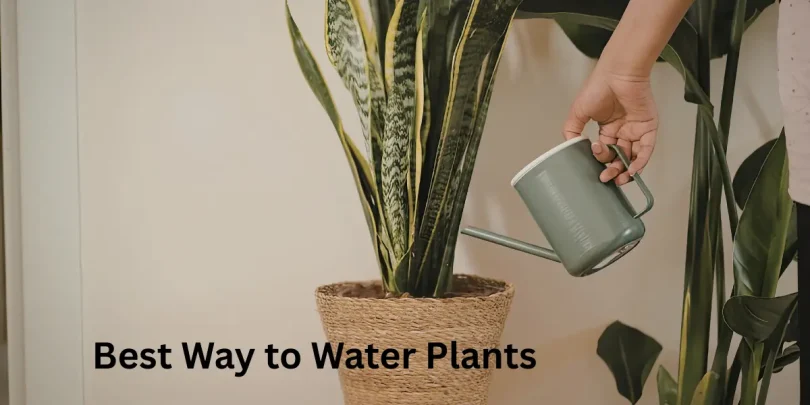
Here’s the part that clears most confusion, the best way to water plants is to water deeply but not frequently, which means when you do water, you do it properly by pouring slowly and evenly across the soil surface until excess water drains out from the bottom of the pot, this ensures that all the roots get access to moisture instead of just the top layer, and then you allow the soil to partially dry out before watering again, this cycle of soaking and drying creates a healthy environment for roots because it provides both moisture and oxygen, which are equally important for plant health
Why drainage changes everything
If there is one thing you should never ignore, it is drainage, because without it even the correct amount of water can become harmful, when water has nowhere to escape it collects at the bottom of the pot and creates a constantly wet environment that suffocates roots, leading to decay and disease, and this is why pots with drainage holes are not optional but essential, they allow excess water to leave the soil, preventing buildup and keeping the root system balanced, and if you are using decorative pots without holes, the safest approach is to keep your plant in a separate inner pot that can drain properly
How often to water without overthinking
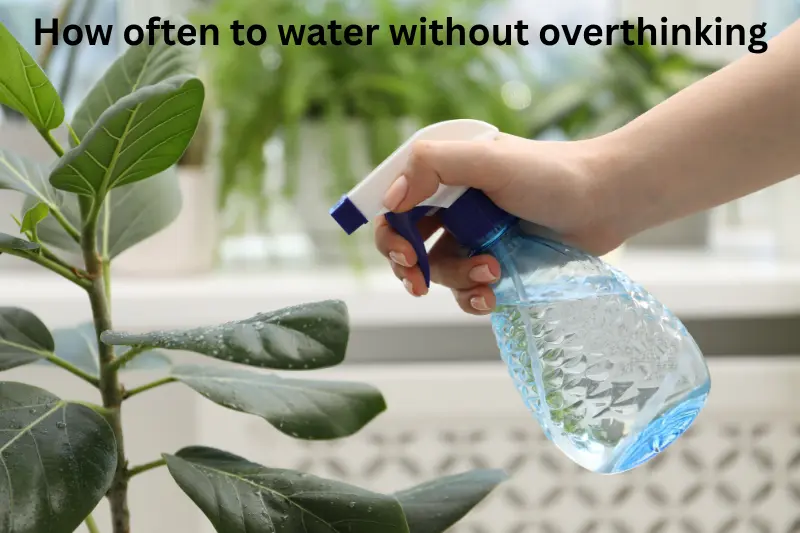
One of the biggest mindset shifts is moving away from strict schedules and toward responsive care, instead of watering every few days automatically, you check the soil, you feel it, you observe the plant, and then decide, because sometimes the soil dries faster due to heat or sunlight, and sometimes it stays moist longer because of cooler conditions or higher humidity, and by adjusting your watering based on these factors, you avoid both overwatering and underwatering without needing to constantly worry about timing
Morning watering and why timing matters
Watering in the morning tends to work best because it aligns with the plant’s natural cycle, during the day plants actively use water for growth and photosynthesis, and any excess moisture has time to evaporate, reducing the risk of fungal problems, whereas watering late at night can leave the soil wet for longer periods in cooler conditions, which sometimes creates an environment where mold or root issues develop, so while evening watering is not always harmful, morning watering generally provides a safer and more balanced routine
The role of water quality in plant health
This is something beginners often overlook, but the type of water you use can make a difference over time, tap water is usually fine, but in some cases it contains minerals or chemicals that can build up in the soil, especially if used consistently without flushing the pot, and this buildup can affect how roots absorb nutrients, so a simple practice like letting water sit overnight or occasionally using filtered or rainwater can help maintain a healthier soil environment without adding extra complexity to your routine
Comparing top watering and bottom watering
There are two main approaches to watering, and understanding both can improve your overall plant care, top watering is the most common method where water is poured directly onto the soil and allowed to flow through the pot, it is simple, effective, and works for most situations, bottom watering on the other hand involves placing the pot in a container of water and allowing the plant to absorb moisture from below, which encourages deeper root growth and ensures even distribution of water, and while you do not need to use bottom watering all the time, incorporating it occasionally can be beneficial, especially for plants that struggle with uneven moisture
Common mistakes that quietly harm your plants
One of the most common mistakes is watering too often without checking the soil, which leads to constant moisture and eventually root rot, another mistake is using soil that retains too much water, making it difficult for roots to get oxygen, and then there is the habit of treating all plants the same, which ignores the fact that different species have completely different needs, and by becoming aware of these mistakes, you can avoid them before they become serious problems
How different plants change your watering approach
Not all plants follow the same pattern, and understanding this makes a huge difference, succulents and cacti are adapted to dry environments and store water in their leaves, so they need infrequent watering and plenty of drying time, while tropical plants prefer consistently moist soil and higher humidity, and by adjusting your watering style based on the type of plant you have, you create conditions that match their natural environment, which leads to healthier growth and fewer issues
Why soil type matters more than you think
Soil is not just something that holds the plant in place, it directly affects how water moves and how long it stays available to the roots, well draining soil allows excess water to escape while still retaining enough moisture for the plant to use, whereas dense or compact soil traps water and increases the risk of overwatering, so if your plant struggles despite proper watering habits, the issue might not be the water itself but the soil it is sitting in
Adapting to your environment for better results
Your home environment plays a major role in how your plants behave, in warmer conditions water evaporates faster and plants tend to need more frequent watering, while in cooler or more humid conditions the soil stays moist longer and watering needs decrease, sunlight also affects how quickly water is used, with brighter conditions leading to faster drying, and by paying attention to these environmental factors, you can adjust your routine in a way that keeps your plants comfortable and balanced
Creating a simple and reliable watering routine
Instead of trying to perfect everything, focus on building a routine that is easy to follow and flexible enough to adjust, check your plants regularly, touch the soil, observe the leaves, and water when it feels right rather than when a schedule tells you to, and over time this process becomes intuitive, you start to recognize patterns, and what once felt confusing becomes second nature, making plant care feel less like a task and more like a calm, rewarding habit
Simple checklist to keep things on track
check the soil before watering, water slowly and evenly across the surface, make sure excess water can drain out, avoid watering again until the soil begins to dry, adjust your approach based on weather and plant type, and observe your plant regularly for changes
Conclusion
At the end of the day, watering plants is not about being perfect, it is about being aware, consistent, and willing to learn from small mistakes, because every plant you care for teaches you something new about balance and timing, and once you stop overthinking and start paying attention to the signals your plant gives you, the process becomes much easier and far less stressful, and with a little patience and practice you naturally develop confidence in your routine and begin to understand the best way to water plants without needing constant guidance
FAQs
What is the best way to water plants indoors
The best way to water plants indoors is to water slowly at the base until excess drains out, ensuring the roots absorb moisture properly without waterlogging.
How often should I follow the best way to water plants
It depends on the plant type, but generally watering when the top soil feels dry helps maintain the right balance.
Does the best way to water plants change with seasons
Yes, plants usually need less water in winter and more in warmer months due to changes in growth and evaporation.
Can overwatering happen even if I follow the best way to water plants
Yes, overwatering can still occur if drainage is poor or watering is too frequent, so always check soil moisture before watering.
Why is the best way to water plants important for growth
Proper watering supports root health, prevents diseases, and helps plants absorb nutrients efficiently, leading to stronger growth