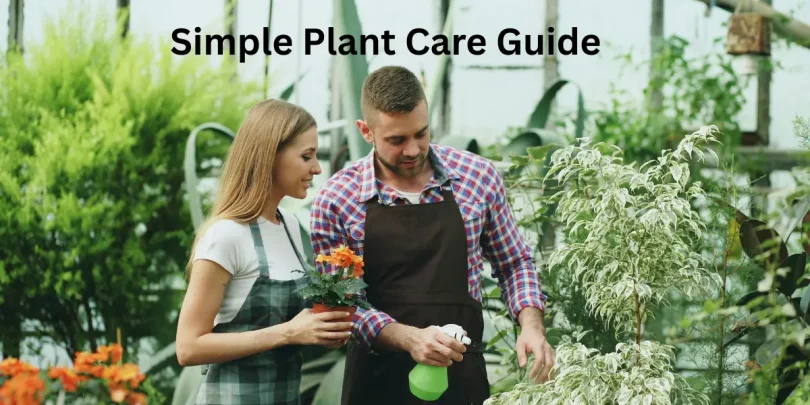

Starting your journey with plants often feels like a mix of excitement and confusion at the same time. You bring a plant home thinking it will instantly make your space feel fresh and alive, but then reality slowly kicks in when leaves start changing color, soil behaves unpredictably, and you are suddenly unsure whether you are caring for it correctly or accidentally harming it. Many beginners go through this exact emotional cycle where they start with motivation, then face small problems, and eventually feel like plant care is harder than it looks. The truth is, most of these struggles are completely normal and not a sign that you are doing something wrong. Plants are living things with simple but specific needs, and once you understand those needs properly, everything becomes far more manageable. This simple plant care guide is designed to remove confusion and replace it with clarity so you can stop guessing and start understanding what your plant actually wants from you in everyday care.
Plants in a Realistic Way
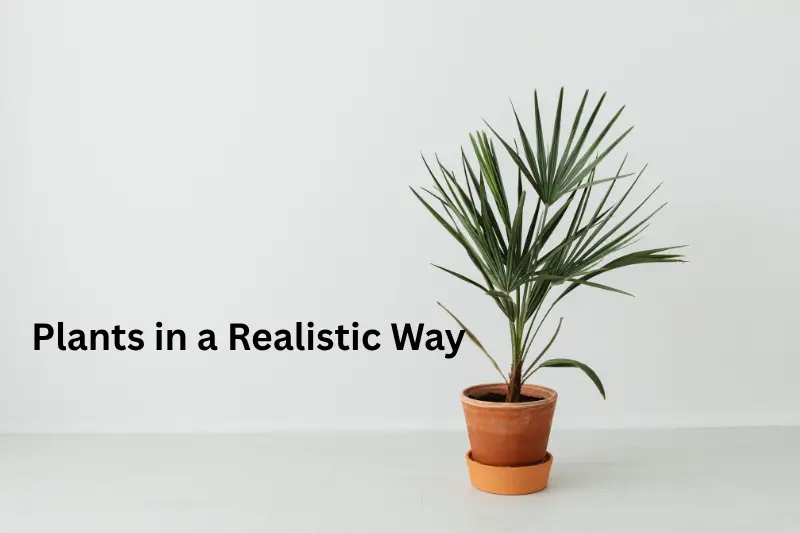
Before jumping into techniques, it is important to understand plants in a realistic and simple way. Plants are not decorative objects that survive on occasional attention; they are living systems that respond directly to their environment. Every plant reacts to light, water, air, and soil conditions in its own way, and those reactions show up in visible changes like drooping leaves, slow growth, or discoloration. Beginners often assume plant care is about doing a long list of tasks, but in reality it is more about observation than action. When you pay attention to small signs like soil dryness, leaf texture, and growth direction, you start building a natural understanding of what the plant is experiencing. This mindset shift is crucial because instead of reacting blindly, you begin responding thoughtfully. Once you reach this stage, plant care feels less like a chore and more like a calm routine where you gradually learn how your plant communicates its needs over time.
Choosing Plants That Match Your Experience Level
One of the biggest reasons beginners struggle is starting with plants that require more care than they are ready for. It is very common to choose a plant based on appearance without considering its maintenance level, and that is where frustration usually begins. Some plants are naturally forgiving and adapt easily to different conditions, while others require very specific care routines and consistent environments. For beginners, it is always better to choose plants that are resilient and tolerant of small mistakes because this gives you space to learn without constant failure. Plants like snake plant, pothos, spider plant, peace lily, and aloe vera are generally easier to manage because they can survive occasional watering mistakes and changing light conditions. On the other hand, more delicate plants often require stable humidity, precise watering schedules, and carefully controlled environments. When you start with beginner-friendly plants, you build confidence gradually, and that confidence becomes the foundation for growing more advanced plants later without stress or confusion.
You may also like to read these articles for more information
10 Must-Know Best Tips for Plant Growth for Amazing Success
Powerful Secrets for Success with Easy Grow Guide for Beginners
7 Proven How to Grow Plants at Home Secrets for Beginners
10 Powerful Step by Step Plant Growing Tips for Stunning Results Plant Growing Guide for Beginners That Makes Gardening Easy
Light and Why It Matters More Than You Think
Light is one of the most important factors in plant care, yet it is also one of the most misunderstood. Many beginners assume that all plants need direct sunlight throughout the day, but that is not true for most indoor plants. In reality, different plants require different types of light exposure, and understanding this difference can completely change how your plant grows. Bright indirect light is usually the safest and most effective condition for many houseplants, which means the plant receives light without being exposed to harsh direct rays. Low light areas can still support certain plants, but growth may be slower and less vibrant. Direct sunlight, while beneficial for some species, can easily damage sensitive leaves if exposure is too strong or prolonged. A simple way to understand light in your home is to observe how bright a space feels during the day and how sunlight moves across it. Over time, you start noticing patterns, and placing plants in the right spots becomes much easier and more natural.
Watering Without Creating Stress for the Plant
Watering is where most beginners experience the most anxiety because it feels like a responsibility that must be done perfectly. However, plants do not operate on strict schedules, and watering them on fixed days often leads to mistakes. The most effective approach is to understand soil moisture instead of relying on memory or routine. Checking the soil before watering gives you a real understanding of what the plant actually needs. If the top layer feels dry, it is usually safe to water, but if it still feels moist, it is better to wait. Overwatering is one of the most common reasons plants struggle because too much water blocks oxygen from reaching the roots and eventually leads to root rot. Underwatering, on the other hand, usually shows visible signs like drooping or dry leaves but is often easier to fix. Seasonal changes also affect watering needs because plants use more water in warmer months and much less in colder months. Once you understand this natural variation, watering becomes less stressful and more intuitive.
Soil and Root Health as the Foundation of Growth
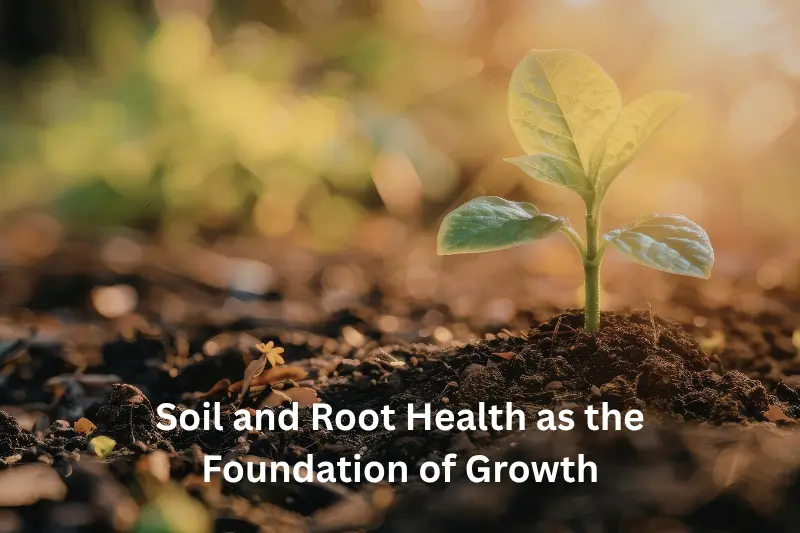
Soil plays a much bigger role in plant health than most beginners realize. It is not just a medium that holds the plant upright; it is the environment where roots absorb water, nutrients, and oxygen. Good soil allows proper drainage while still holding enough moisture to support growth. If soil becomes too compact, roots struggle to breathe, and if it holds too much water, it creates conditions that lead to decay. This is why using a well-draining potting mix is essential for most indoor plants. Garden soil is usually not suitable for pots because it becomes dense over time and restricts airflow. Healthy soil creates a stable environment where roots can spread comfortably and absorb nutrients efficiently. When soil health is balanced, the plant becomes more resilient and shows steady growth without sudden problems.
Pots, Drainage, and Creating the Right Environment
The pot you choose for your plant directly affects its long-term health. A pot is not just a decorative container; it controls how water behaves inside the soil. Drainage holes are essential because they allow excess water to escape, preventing the roots from sitting in moisture for too long. Without drainage, water collects at the bottom and creates conditions that lead to root rot. Pot size also matters because a pot that is too large holds excess soil that retains more water than the plant needs, while a very small pot can restrict root growth. The ideal pot is one that fits the plant comfortably with room for gradual growth. Even decorative pots can be used safely if a smaller inner pot with drainage is placed inside them. When pot and soil conditions are balanced, the plant develops a stable environment that supports healthy long-term growth.
Feeding and Supporting Healthy Growth
Fertilizer is often misunderstood by beginners who assume more is better, but plants actually need nutrients in moderation. Fertilizer acts as a supplement rather than a primary source of food. During active growth periods, usually in warmer seasons, plants benefit from occasional feeding, but too much can harm roots and disrupt natural growth patterns. Over-fertilizing can cause salt buildup in the soil, which affects water absorption and leads to stress in the plant. A simple approach is to feed lightly and only when the plant is actively growing. Newly repotted or stressed plants should not be fertilized until they recover. When used correctly, fertilizer supports healthy leaf development, stronger stems, and overall better growth without overwhelming the plant’s natural system.
Building a Simple and Sustainable Care Routine
Consistency matters more than complexity when it comes to plant care. Instead of strict schedules, a simple routine based on observation works best. Checking soil moisture weekly, observing leaf condition, and adjusting care based on seasonal changes creates a natural rhythm. Rotating plants occasionally ensures even light exposure, while cleaning leaves helps maintain proper photosynthesis. Monthly checks can include evaluating pot size and overall plant health. This simple system prevents overwhelm and makes plant care feel manageable even for beginners.
Common Mistakes and Learning Through Experience
Mistakes are a natural part of learning plant care, and every plant owner experiences them. Overwatering, poor light placement, and ignoring early warning signs are common issues. Instead of seeing these as failures, it is more helpful to treat them as feedback. Plants communicate through visible changes, and once you learn to read these signals, your care decisions become more accurate. With time, you stop guessing and start understanding patterns, which makes plant care far more intuitive and less stressful.
Conclusion and Final Takeaway
Plant care is not about perfection or strict rules; it is about awareness, patience, and simple consistent habits. Once you stop overthinking every detail and start observing how your plants respond, everything becomes easier and more natural. Plants are surprisingly resilient and often recover well when their basic needs are met properly. The key is to focus on fundamentals like light, water, soil, and observation rather than complicated techniques.In the end, simple plant care guide is really about learning to grow alongside your plants, building confidence slowly, and enjoying the process instead of rushing it
Checklist to keep things simple
Check soil before watering
Provide suitable light conditions
Use well-draining soil and pots
Avoid overwatering and overfeeding
Observe plants regularly for changes
FAQs
What is the easiest way to start plant care for beginners?
Start with low-maintenance plants, use proper soil, and water only when the soil feels dry to avoid overwatering.
How often should I water my plants?
It depends on the plant type, but most indoor plants need watering once or twice a week when the soil starts drying out.
What is the most common mistake in plant care?
Overwatering is the most common mistake, which can lead to root rot and unhealthy plant growth.
Do indoor plants need sunlight every day?
Yes, most indoor plants need indirect sunlight daily to stay healthy and maintain proper growth.
How can I make my plants grow faster?
Provide balanced watering, good light, proper soil, and occasional natural fertilizer to support faster growth.