
Let’s be honest, most people think about gardening with a lot of excitement in the beginning, but that excitement quickly turns into confusion when they actually try to figure out where to start. You imagine fresh green plants, maybe some vegetables growing at home, a peaceful little corner that feels alive, but then real life steps in and suddenly you’re asking yourself things like what soil should I use, how much water is too much water, do I even have enough space, and what if everything just dies in a week. That mix of motivation and doubt is exactly where beginners get stuck, and that is why understanding how to start a home garden in a simple, realistic way is so important because the truth is, you don’t need perfection or expert knowledge, you just need a clear starting point and a mindset that allows learning through small steps instead of trying to figure everything out at once.
Understanding the Real Meaning of Starting a Home Garden
Before anything else, it’s important to understand that starting a home garden is not about instantly creating a beautiful green space, it’s about building something slowly that grows with your experience. A lot of beginners imagine that gardening is about buying a bunch of plants and arranging them nicely, but real gardening is actually about understanding nature in your own environment and adjusting little things over time. Your home garden is not a project that needs to be perfect on day one, it is more like a small living system that teaches you how to care, observe, and respond. Once you accept that plants will not always behave exactly how you expect, everything becomes easier and less stressful, and you start enjoying the process instead of fearing mistakes.
Choosing the Right Place Inside Your Home
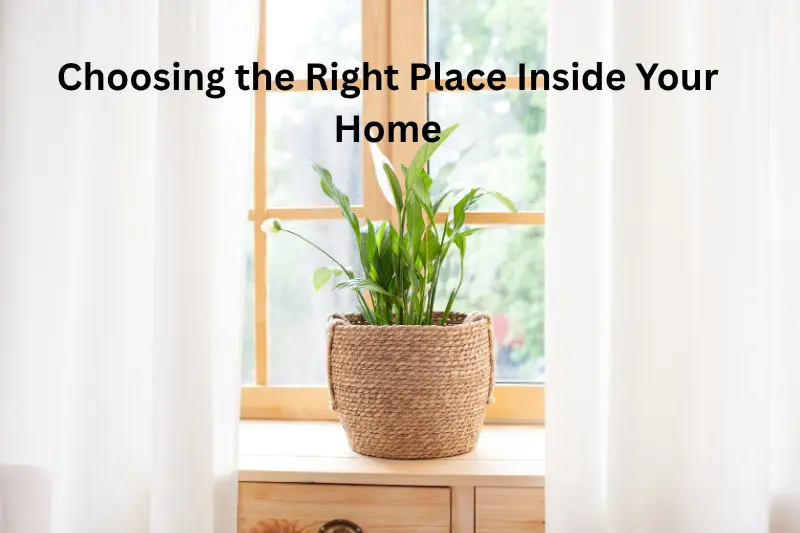
One of the first practical decisions you need to make is where your garden will actually exist. This might sound simple, but it plays a huge role in how successful your plants will be. Most plants need sunlight, fresh air, and a stable environment, so you need to look around your home and identify which area gets the most natural light during the day. It could be a balcony, rooftop, terrace, window area, or even a small corner near a bright window. You don’t need a big yard to begin, even a few pots placed in the right spot can turn into a healthy garden. What matters more than size is consistency of light and access to air because without those two things, plants struggle no matter how much care you give them.
Starting Small Instead of Trying Everything at Once
One of the biggest mistakes beginners make is trying to do too much too quickly. It’s very common to feel motivated and buy many plants at once, thinking you will manage everything perfectly, but then you quickly feel overwhelmed and confused. A better approach is to start small, maybe with just two or three plants, so you can actually focus on understanding their behavior. When you start small, you give yourself room to learn without pressure, and you also reduce the chances of failure. Gardening is not a competition, it is a slow learning experience, and the fewer variables you introduce in the beginning, the easier it becomes to understand what each plant needs.
You may also like to read these articles for more information
10 Must-Know Best Tips for Plant Growth for Amazing Success
Powerful Secrets for Success with Easy Grow Guide for Beginners
7 Proven How to Grow Plants at Home Secrets for Beginners
10 Powerful Step by Step Plant Growing Tips for Stunning Results Plant Growing Guide for Beginners That Makes Gardening Easy
Picking Beginner Friendly Plants That Don’t Stress You Out
Not all plants are equally easy to manage, and this is something every beginner should know from the start. Some plants are very forgiving and can survive even when you make small mistakes, while others are sensitive and require more experience. If you are just starting out, it is always better to choose simple plants that grow easily and don’t demand too much attention. Plants like herbs and basic indoor greenery are usually a good choice because they adapt well and give you quick feedback, which helps you learn faster. The goal in the beginning is not to impress anyone, it is to build confidence and understand how plants respond to your care.
Understanding Soil in a Simple Way
Soil might sound like a complicated topic, but for beginners, it can be understood in a very simple way. Soil is basically the foundation of your plant’s life because it holds nutrients, water, and air all together. What you need is not special or expensive soil, but soil that is loose, healthy, and able to drain water properly. If soil becomes too compact or stays wet for too long, roots cannot breathe properly and plants start struggling. A good beginner approach is to use soil that feels soft and light instead of heavy and sticky. Adding natural compost can also improve soil quality and help plants grow stronger over time.
Choosing Containers That Support Plant Growth
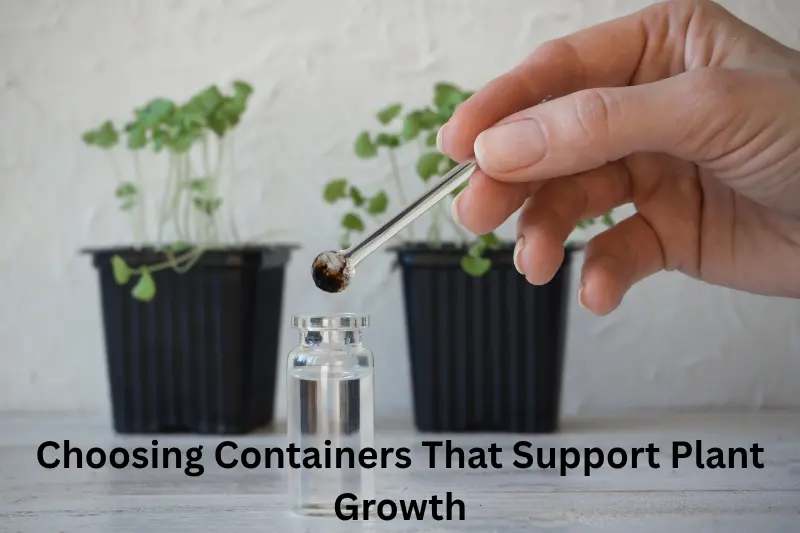
If you are not planting directly in the ground, your containers become very important. Many beginners overlook this part and focus only on plants, but the container actually controls how well water drains and how roots develop. A good container should always have drainage holes because without them, excess water stays inside and can damage the plant. Size also matters because roots need space to grow. Small pots are fine for small plants, but if roots don’t have enough room, the plant will eventually stop growing properly. You don’t need expensive pots, even simple containers can work as long as they support proper drainage and airflow.
Learning the Right Way to Water Plants
Watering is probably the most confusing part for beginners because it is easy to overdo or underdo it. The simplest rule is to never water blindly, always check the soil first. If the top layer feels dry, it is usually safe to water, but if it still feels moist, you should wait. Overwatering is one of the most common reasons plants die because roots get suffocated when soil stays wet for too long. At the same time, underwatering can also slow down growth, so balance is important. Instead of following strict schedules, it is better to observe your plants and adjust based on their condition.
Understanding the Importance of Sunlight
Sunlight is just as important as water and soil, and many beginners forget this completely. Plants use sunlight as energy to grow, so without enough light, they become weak, stretched, or pale. Most common home garden plants need a few hours of sunlight daily, but the exact amount depends on the type of plant. The key is to observe how your plants respond to their location. If they lean toward one side or look weak, they might need more light. If they look dry or burned, they might be getting too much direct harsh sunlight. Small adjustments in placement can make a big difference.
Developing the Habit of Observation
One of the most valuable skills in gardening is learning how to observe your plants instead of guessing everything. Plants communicate through visible signs like leaf color, texture, growth speed, and overall shape. Yellow leaves, drooping stems, or slow growth are not random problems, they are signals that something in the environment needs adjustment. Once you start paying attention to these changes instead of panicking, you begin to understand your plants better. Over time, this observation becomes automatic and you start making better decisions without even thinking too much.
Simple Feeding Without Overcomplicating Things
Plants do need nutrients, but beginners often make the mistake of overfeeding or using complicated fertilizers too early. In reality, plants grow well with simple natural feeding methods. Compost or organic material is usually enough for home gardens in the beginning. The idea is not to constantly feed plants, but to support them occasionally so they stay healthy. Too much fertilizer can actually harm plants, so it is always better to keep things simple and balanced instead of trying too many methods at once.
Handling Common Problems Without Panic
Every beginner faces problems, and that is completely normal. Sometimes leaves turn yellow, sometimes plants stop growing, sometimes pests appear, and all of this can feel discouraging at first. But the important thing to remember is that none of these issues mean failure. They are part of the learning process. Most problems have simple causes like watering issues, sunlight imbalance, or temporary stress. Instead of reacting quickly, it is better to observe, adjust one thing at a time, and give the plant time to respond. Gardening becomes much easier when you stop treating problems as disasters and start seeing them as feedback.
Building a Calm and Consistent Routine
A home garden does not need constant attention every minute of the day. In fact, plants respond better to calm and consistent care rather than frequent changes. A simple routine of checking plants daily, watering when needed, removing dry leaves occasionally, and observing growth is enough for most beginners. The goal is not to spend hours every day but to build a steady habit that fits naturally into your lifestyle. Over time, this routine becomes relaxing instead of feeling like work.
Growing Your Garden Slowly Over Time
As your confidence increases, you can slowly expand your garden by adding more plants, trying different varieties, or experimenting with vegetables and flowering plants. But this should always happen gradually. The best gardens are not built in a single day, they grow step by step with experience. When you rush, you often create confusion, but when you grow slowly, you actually understand what works best in your environment. This makes your garden stronger and more stable in the long run.
Conclusion
Starting a home garden is not about having perfect knowledge or expensive tools, it is about beginning with small steps, learning through observation, and allowing yourself to make mistakes without fear. The more you engage with your plants, the more you start understanding their needs, and the process slowly becomes less about effort and more about connection with nature in your own space. If you stay consistent and patient, even a small corner of your home can turn into something meaningful and alive.In the end, how to start a home garden is really about learning to grow alongside your plants, one small step at a time.
Here’s a simple takeaway you can follow right away:
- choose one small space
- start with a few easy plants,
- use basic soil and proper containers
- water only when needed,
- give enough sunlight
- observe your plants daily without overthinking their growth.
FAQs
What is the first step in starting a home garden
The first step is choosing a suitable space at your home where plants can get enough sunlight and fresh air for healthy growth.
How do I choose the right plants for beginners
Start with easy-to-grow plants like herbs, leafy greens, or low-maintenance flowers that don’t require complex care.
What type of soil is best for a home garden
A well-draining, nutrient-rich soil mixed with compost works best for most home gardening plants.
How often should I water my home garden plants
Watering depends on plant type and weather, but most plants need regular moisture without overwatering the soil.
Can I start a home garden without a big yard
Yes, you can easily start a home garden in small spaces using pots, containers, balconies, or even windowsills.