
Starting a garden sounds exciting in the beginning, but once you actually begin taking care of plants, things can get confusing very quickly. One day your plant looks fresh and healthy, and the next day the leaves start turning yellow for no obvious reason. Sometimes you water regularly and still see drooping leaves, while other times your plant suddenly starts growing beautifully when you stop paying too much attention to it. That is why many beginners feel frustrated after only a few weeks of gardening. There is so much information online that it becomes difficult to know what actually works. Some advice tells you to water daily, while other tips say water less often. Some people claim direct sunlight fixes everything, while others warn against it completely. Here’s the deal though — gardening becomes much easier when you focus on simple habits instead of trying to become an expert overnight. The truth is that healthy plants mostly need consistency, patience, and proper understanding of basic care. These best gardening tips for plants are designed to help beginners feel more confident, avoid common mistakes, and create healthier gardens without feeling stressed or overwhelmed by complicated advice.
Understand That Every Plant Has Different Needs
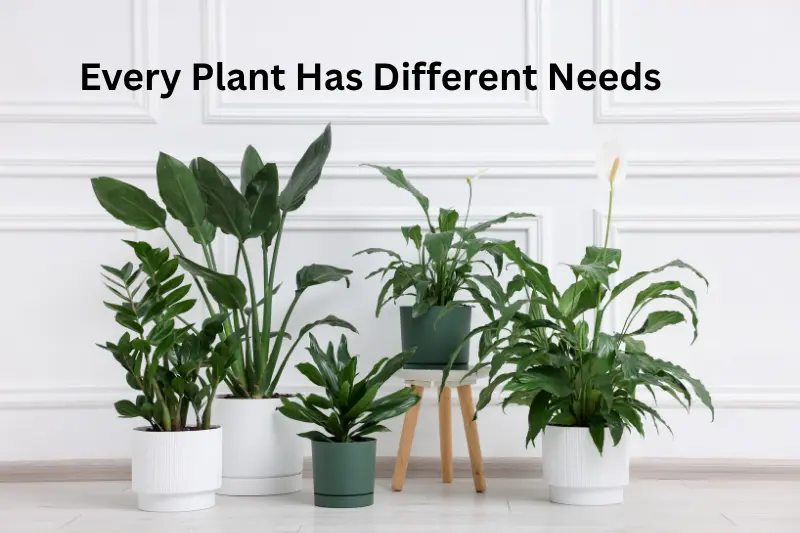
One of the first things beginners need to understand is that plants are not all the same. A lot of people accidentally treat every plant exactly alike, and that usually creates problems. Some plants love bright direct sunlight while others prefer soft indirect light. Certain plants enjoy moist soil most of the time, while others grow better when the soil dries between watering sessions. Real talk, many gardening problems happen because people assume one routine works for every plant they own. The better approach is to learn a little about each plant before bringing it home. Even a few minutes of research can save you from months of confusion later. Once you understand your plant’s natural environment, caring for it becomes much simpler. Tropical plants often enjoy humidity and warmth, while desert plants prefer dry conditions and less frequent watering. Indoor herbs may need several hours of sun each day, while shade-loving plants can struggle under harsh afternoon sunlight. Gardening becomes easier when you stop fighting nature and start working with it instead.
You may also like to read these articles for more information
10 Must-Know Best Tips for Plant Growth for Amazing Success
Powerful Secrets for Success with Easy Grow Guide for Beginners
7 Proven How to Grow Plants at Home Secrets for Beginners
10 Powerful Step by Step Plant Growing Tips for Stunning Results Plant Growing Guide for Beginners That Makes Gardening Easy
Choose the Right Spot Before Planting Anything
Plant placement matters far more than many beginners realize. You could have excellent soil, good watering habits, and expensive fertilizers, but if your plant sits in the wrong environment, it may still struggle badly. Sunlight is one of the biggest factors in plant health. Some homes naturally receive strong sunlight through windows, while others stay shaded for most of the day. Before placing your plants, observe how sunlight moves through your space. Notice which areas stay bright in the morning and which corners remain dark. This simple habit can prevent a lot of frustration later. Plants that need bright light may become weak and leggy in dark spaces because they stretch toward available sunlight. On the other hand, delicate plants placed under harsh direct sunlight may develop burnt leaves or dry edges. Outdoor gardening also depends heavily on location. Wind exposure, heat levels, shade from walls, and nearby trees all influence plant growth. Here’s the deal — sometimes moving a plant just a few feet can completely improve its health and appearance.
Learn the Proper Way to Water Plants
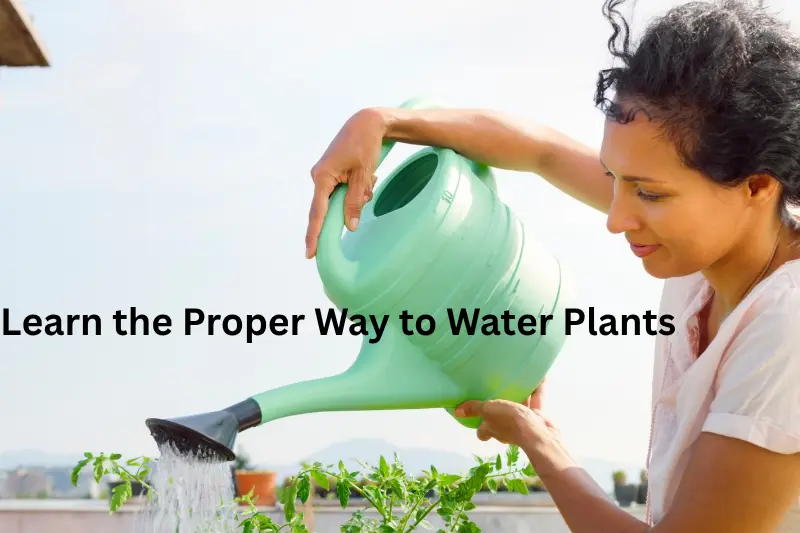
Watering sounds simple, but it is one of the biggest reasons plants fail. Most beginners either water too much or too little because they rely on strict schedules instead of checking the actual condition of the soil. Overwatering is especially common because people assume more water means better care. In reality, constantly wet soil can suffocate roots and lead to root rot, which is one of the fastest ways to damage a plant. Instead of watering automatically every day, develop the habit of checking the soil first. Put your finger into the top layer of soil and feel whether moisture is still present. If the soil feels damp, your plant likely does not need water yet. Deep watering is usually healthier than giving tiny amounts daily because it encourages roots to grow stronger and deeper into the soil. Different seasons also affect watering needs. Plants often need more water during hot summer months and less during colder seasons when growth slows naturally. Indoor heating systems can dry soil quickly in winter, while rainy weather may reduce outdoor watering needs significantly. Paying attention to these changes helps plants stay balanced and healthy.
Healthy Soil Creates Healthy Plants
Good soil acts like the foundation of a strong house. Without proper soil, even healthy plants struggle to grow well over time. Many beginners buy cheap compact soil without realizing how much soil quality affects plant health. Poor soil can hold too much water, block airflow, or fail to provide nutrients roots need. Healthy soil should feel loose enough for roots to spread comfortably while still holding enough moisture for the plant to stay hydrated. Compost is one of the best natural ways to improve soil quality because it adds nutrients while improving drainage and texture. Outdoor garden beds often benefit from adding organic matter regularly because plants slowly use nutrients from the soil over time. Indoor plants also need fresh potting mixes occasionally because container soil becomes compacted after long periods. Some plants have very specific soil preferences as well. Succulents usually need sandy, fast-draining soil, while vegetables often prefer rich nutrient-heavy soil. No fluff — understanding soil alone can dramatically improve your gardening results without requiring expensive products or complicated techniques.
Drainage Is More Important Than Fancy Pots
A lot of decorative pots look beautiful in stores, but many of them lack drainage holes at the bottom. Unfortunately, this can quietly create serious plant problems over time. Drainage holes allow excess water to escape instead of collecting around roots. Without drainage, water sits trapped inside the pot, increasing the risk of root rot and fungal issues. Beginners sometimes assume the plant needs more water when leaves start drooping, but the real problem may actually be drowning roots underneath the soil. If you love decorative containers without holes, you can still use them by placing nursery pots inside instead of planting directly into the container itself. Pot size matters too. Small pots dry quickly, while oversized pots may stay wet too long for young plants. Choosing the correct pot helps create better moisture balance naturally. Sometimes simple practical decisions matter more than expensive gardening supplies.
Humidity Can Change Everything for Indoor Plants
Many indoor gardeners struggle with brown leaf edges or curling leaves even when watering correctly. One reason this happens is low humidity inside homes. Certain plants, especially tropical varieties, naturally grow in humid environments and may struggle in dry indoor air. Air conditioning, heaters, and fans can lower humidity significantly, especially during certain seasons. Plants like ferns, calatheas, and peace lilies usually prefer higher moisture levels in the air. There are several easy ways to improve humidity naturally without making things complicated. Grouping plants together can create a small humid microclimate around them. Pebble trays filled with water may also help increase surrounding moisture levels slightly. Some people lightly mist plants occasionally, although not all plants benefit equally from misting. Bathrooms and kitchens often work well for humidity-loving plants because those spaces naturally contain more moisture in the air. Understanding humidity helps explain why some plants thrive effortlessly in one room while struggling badly in another.
Fertilizer Should Support Growth, Not Overwhelm It
Fertilizer often confuses beginners because there are so many products available. Some gardeners start adding multiple fertilizers constantly, hoping faster growth will happen immediately. Others avoid fertilizer entirely because they feel intimidated by the process. The reality sits somewhere in the middle. Plants use nutrients from soil gradually over time, especially plants growing in pots where nutrients become depleted faster. Fertilizer simply helps replace those nutrients so plants can continue growing properly. However, too much fertilizer can burn roots and damage plants just as easily as too little nutrition can weaken them. Most beginner gardeners do best with balanced fertilizers used lightly during active growing seasons like spring and summer. Plants naturally slow down during colder months, so heavy fertilizing during winter often becomes unnecessary. Slow steady care usually works better than aggressive feeding schedules. Gardening rewards patience much more than rushing.
Pruning Helps Plants Stay Strong and Healthy
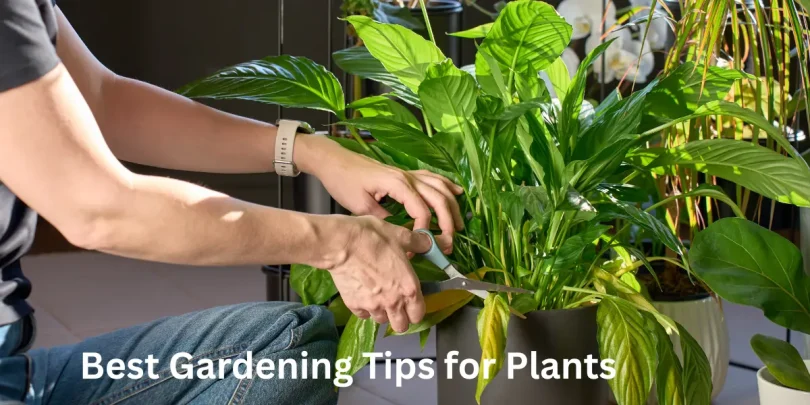
Many beginners feel nervous about cutting healthy leaves or stems because they worry about damaging the plant. Surprisingly though, proper pruning actually improves plant health in many cases. Removing dead, damaged, or weak growth allows the plant to focus energy on healthier areas instead. Pruning can also encourage fuller growth and better airflow around leaves, reducing the risk of disease and pest problems. Certain herbs and flowering plants especially benefit from regular trimming because it stimulates fresh growth. The important thing is using clean tools and avoiding excessive cutting all at once. Small regular maintenance usually works better than major aggressive pruning sessions. Once beginners see how quickly plants recover and improve after pruning, the process becomes much less intimidating.
Pests Are Normal and Can Be Managed
Every gardener eventually deals with pests at some point. Seeing bugs on your plants for the first time can feel discouraging, but it does not mean you are a terrible gardener. Common pests like spider mites, aphids, fungus gnats, and mealybugs appear in many gardens, especially when plants become stressed or environmental conditions change. The key is noticing problems early before they spread heavily. Checking leaves regularly helps you catch warning signs quickly. Look underneath leaves, around stems, and near the soil surface. Sticky residue, tiny webs, yellow spots, or small insects are often early indicators of pest activity. Many mild infestations can be handled naturally with neem oil, gentle soap sprays, or simply wiping leaves clean carefully. Healthy plants generally resist pests better than weak stressed plants, which is another reason basic plant care matters so much.
Repotting Gives Plants Fresh Energy
Plants do not stay comfortable in the same container forever. Over time roots grow larger and begin circling tightly inside pots, creating what gardeners call root-bound plants. When this happens, water may drain too quickly, growth slows down, and the plant may struggle to absorb nutrients properly. Repotting gives roots more space while refreshing the soil with new nutrients. Many beginners delay repotting because they fear harming the plant, but waiting too long often causes more stress. The best approach is moving gradually to a slightly larger container instead of dramatically increasing pot size immediately. Fresh soil combined with extra root space often gives plants noticeable improvement within weeks.
Indoor Gardening Can Transform Small Spaces
You do not need a giant backyard to enjoy gardening successfully. Small apartments, balconies, windowsills, and compact patios can all become beautiful green spaces with the right planning. Indoor gardening especially works well for people living in cities or areas with limited outdoor space. Plants make rooms feel calmer, fresher, and more welcoming almost instantly. Herbs on kitchen windowsills, hanging pothos near shelves, or snake plants beside desks can completely change the atmosphere of a home. Vertical gardening methods also help maximize small areas efficiently. Wall planters, shelves, and hanging baskets allow you to grow more plants without taking up much floor space. Starting small often works better for beginners anyway because it allows you to focus on learning care routines before expanding your collection.
Vegetable Gardening Feels Rewarding for Beginners
Growing your own vegetables creates a different kind of satisfaction because you actually get to enjoy the results in meals and cooking. Many people assume vegetable gardening requires large complicated setups, but several vegetables grow surprisingly well in containers or small spaces. Tomatoes, lettuce, spinach, chillies, mint, and coriander are beginner-friendly choices that can thrive even on balconies or patios with decent sunlight. Freshly harvested vegetables often taste better than store-bought versions because they are picked at peak freshness. Vegetable gardening also teaches patience, timing, and seasonal awareness naturally. Watching seeds slowly become edible plants feels incredibly rewarding, especially for beginners learning gardening for the first time.
Gardening Teaches Patience Better Than Anything Else
Modern life often makes people expect quick results from everything, but gardening works differently. Plants grow slowly, and real healthy growth takes time. This is one reason gardening becomes surprisingly calming for many people. It teaches patience naturally because you cannot force roots to develop faster or flowers to bloom overnight. Some days your plants may seem unchanged, while weeks later you suddenly notice dramatic growth. Gardening rewards consistency more than perfection. Showing up regularly, observing carefully, and making small adjustments slowly creates better results over time. Real talk — many experienced gardeners still lose plants sometimes. Mistakes are part of the process for everyone.
Observation Is One of the Most Valuable Gardening Skills
Experienced gardeners are usually not successful because they memorize complicated scientific information. They succeed because they observe carefully. They notice changes in leaf color, soil moisture, lighting patterns, and growth speed before problems become severe. Observation helps you respond intelligently instead of reacting emotionally every time a plant looks slightly different. Plants constantly communicate through visual clues. Yellow leaves, drooping stems, dry edges, or slow growth all provide information about what may need adjustment. The more attention you pay, the easier gardening becomes over time.
Simple Gardening Habits Make the Biggest Difference
A lot of beginners search for secret gardening tricks, but healthy plants usually come from simple consistent habits rather than complicated methods. Checking soil before watering, cleaning dusty leaves, rotating indoor plants occasionally, watching for pests, and using proper lighting create stronger results than constantly buying new products. Building a simple weekly routine helps gardening feel manageable instead of overwhelming. Spending even a few quiet minutes observing your plants regularly helps you understand their needs naturally over time.
Conclusion
Gardening becomes much less stressful when you stop chasing perfection and focus instead on understanding your plants gradually. Every gardener starts somewhere, and even experienced plant lovers continue learning new things constantly. The most important part is staying patient, curious, and willing to observe what your plants are telling you. Some plants will thrive immediately while others may struggle before improving, and that is completely normal. Healthy gardening habits grow slowly through experience, consistency, and simple daily care rather than complicated techniques. Once you understand the basics of sunlight, watering, soil, drainage, and observation, plant care starts feeling far more relaxing and enjoyable. Over time your confidence grows naturally, and gardening becomes less about fear of mistakes and more about enjoying the process of helping living things grow. Whether you are caring for indoor plants, balcony herbs, or outdoor flowers, these best gardening tips for plants can help you create a greener, healthier, and more peaceful space without making gardening feel overwhelming.
FAQs
What are the best gardening tips for plants for beginners?
Start with healthy soil, water plants properly, give enough sunlight, and avoid overwatering. Simple daily care makes a big difference.
How often should plants be watered?
Most plants prefer watering when the top soil feels dry. Too much water can damage roots and weaken growth.
Why are my plant leaves turning yellow?
Yellow leaves can happen because of overwatering, poor drainage, lack of sunlight, or nutrient deficiency.
Which soil is best for healthy plant growth?
Loose and nutrient-rich soil with good drainage is best for most plants because it helps roots grow properly.
How can I make plants grow faster naturally?
Use compost, provide enough sunlight, water regularly, and remove dead leaves to encourage faster and healthier growth.