
Let’s be honest, most people don’t fail at gardening because they don’t care, they struggle because they don’t know where to start or what actually matters. You see beautiful plants online or at someone’s home and think it should be simple, but when you try it yourself, things don’t always go as expected. That’s exactly why easy gardening tips at home matter so much, because beginners don’t need complicated systems or expert-level knowledge, they need clarity, confidence, and a simple way to understand what their plants actually need in real life situations. Maybe you’ve already tried growing a few plants and ended up confused when leaves turned yellow or soil stayed wet too long, or maybe you’re just starting and worried you might mess it up. The truth is, every successful gardener started exactly where you are now, and the difference between giving up and growing confidence usually comes down to having the right mindset and a few practical habits that make everything feel less overwhelming and more natural over time.
Easy Growing Process
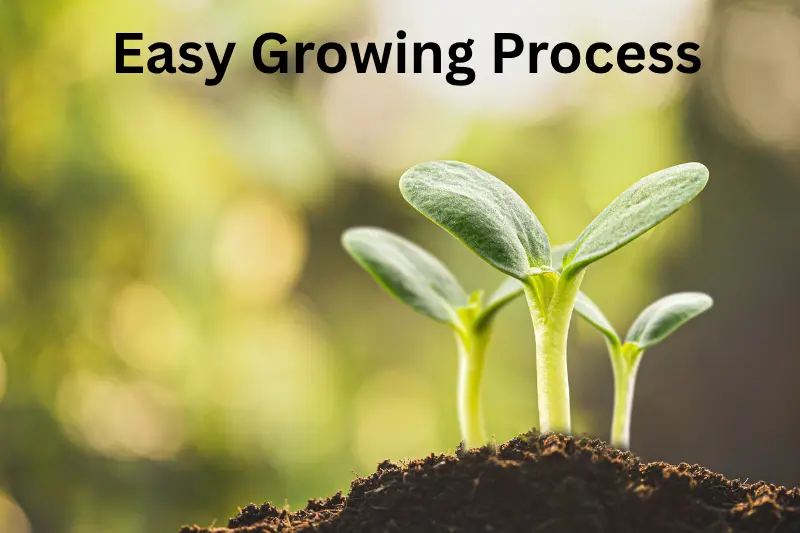
Gardening at home is not something you master in a day, it’s something you slowly understand by paying attention. Plants don’t respond instantly, so beginners often feel like nothing is happening or something is going wrong, when actually plants are just reacting slowly to care, environment, and consistency. One of the biggest shifts you can make is to stop treating gardening like a task list and start seeing it like observation. When you water, you observe how soil behaves. When you place a plant near a window, you observe how light changes its leaves. When something goes wrong, you don’t panic, you analyze. This mindset alone changes everything because it removes pressure and replaces it with curiosity. Most beginners think they need to do more, but in reality, they need to notice more.
Starting Small Instead of Trying Everything at Once
One of the most common mistakes beginners make is trying to build a full garden instantly. They buy multiple plants, different pots, fancy tools, and then feel overwhelmed when things start going wrong. The better approach is to start small and simple. Choose one or two easy plants and focus only on understanding them first. This helps you build confidence without stress. When you manage fewer plants, you start noticing patterns like how quickly soil dries, how leaves react to light, and how watering frequency changes with seasons. Once you understand that, you can slowly expand. Gardening is not a race, and the slower you build, the stronger your foundation becomes.
Learning the Real Role of Soil, Water, and Light
Most plant problems don’t come from bad luck, they come from misunderstanding three basic things: soil, water, and light. Soil is not just dirt, it is the environment where roots live, breathe, and grow. If soil holds too much water, roots suffocate, and if it drains too fast, roots dry out. Watering is where most beginners struggle because they follow schedules instead of conditions. Plants don’t need water every day, they need water when they actually need it, which you can only know by checking soil. Light is another key factor, and not all plants need direct sunlight. Some prefer bright indirect light, which means they get brightness without harsh exposure. Once you understand these three elements, gardening becomes less about guessing and more about adjusting.
Choosing Plants That Forgive Beginner Mistakes
Not all plants are suitable for beginners, and choosing the right ones can make your entire experience easier or harder. Beginner-friendly plants are usually the ones that can survive small mistakes and still recover. These plants don’t require constant attention and are more flexible with light and water conditions. For example, plants like snake plant, money plant, pothos, and some herbs are known for being low maintenance and forgiving. Starting with these helps you build confidence because even if you make mistakes, the plant doesn’t immediately die, it gives you time to learn and correct your approach. This reduces frustration and makes gardening feel rewarding instead of stressful.
Setting Up a Simple and Practical Home Garden Space
You don’t need a big backyard or expensive setup to start gardening. A small corner of your home, balcony, or even a windowsill is enough. What matters more than space is consistency and placement. Plants should be placed where they get stable light and are easy for you to observe daily. Avoid constantly moving them around because plants take time to adjust to new environments. Also, make sure your pots have proper drainage so excess water can escape easily. Without drainage, even good watering habits can fail. Keeping your setup simple helps you focus on learning instead of managing complexity.
Watering in a Simple and Practical Way
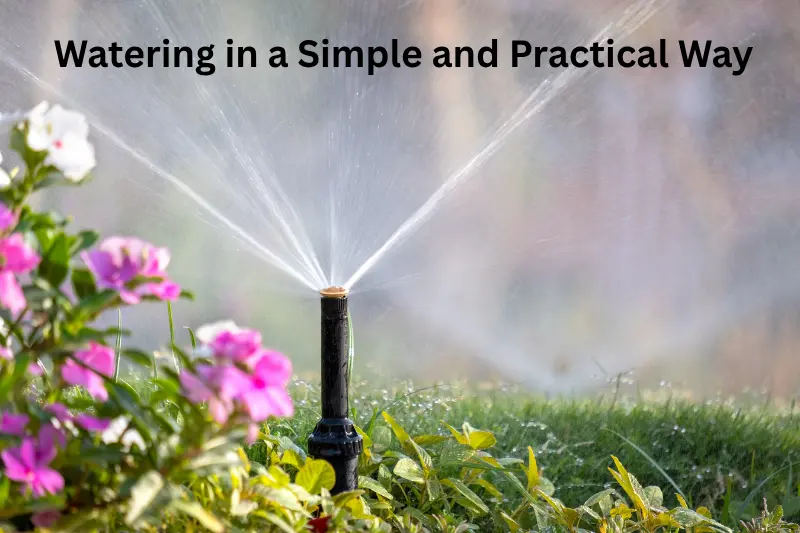
Watering is probably the most misunderstood part of gardening for beginners. Many people assume more water means healthier plants, but that is not true. Overwatering is actually one of the most common reasons plants die at home. A better way to water is to check soil before adding water. If the top layer feels dry, then it’s usually safe to water. If it still feels moist, wait. When you water, do it slowly and evenly so the soil absorbs it properly and excess water drains out. The goal is not to keep soil constantly wet, but to maintain a balanced moisture level where roots can breathe and grow comfortably.
You may also like to read these articles for more information
10 Must-Know Best Tips for Plant Growth for Amazing Success
Powerful Secrets for Success with Easy Grow Guide for Beginners
7 Proven How to Grow Plants at Home Secrets for Beginners
10 Powerful Step by Step Plant Growing Tips for Stunning Results Plant Growing Guide for Beginners That Makes Gardening Easy
Understanding Common Plant Problems Without Panic
When something goes wrong with a plant, beginners often assume the worst, but most problems are fixable if you understand the cause. Yellow leaves, for example, don’t always mean the plant is dying. Sometimes it is overwatering, sometimes lack of nutrients, and sometimes just natural aging of old leaves. Wilting can happen due to underwatering or root stress. Instead of reacting emotionally, it’s better to observe carefully. Check soil, check light, and check recent changes. Plants usually show warning signs before serious damage happens, so learning to read those signs is a key skill in home gardening.
Building Consistency Instead of Perfection
The secret to successful home gardening is not doing everything perfectly, it’s doing small things consistently. Spending a few minutes daily observing your plants is more valuable than doing heavy maintenance once in a while. When you build a routine of checking soil, noticing leaf changes, and adjusting care slowly, you naturally improve without feeling pressured. Gardening becomes part of your daily life instead of a separate task. Over time, you start understanding patterns, and those patterns help you make better decisions without guessing.
Keeping Gardening Low Stress and Enjoyable
Gardening should not feel like pressure or responsibility, it should feel calming and enjoyable. If it starts feeling stressful, it usually means expectations are too high or setup is too complicated. Keeping things simple helps a lot. Start with easy plants, avoid overthinking, and allow yourself to make mistakes. Every mistake teaches you something important. Even experienced gardeners lose plants sometimes, but they use it as learning instead of failure. The goal is not to create a perfect garden, but to enjoy the process of growing something living and seeing it respond to your care.
Conclusion
At the end of the day, gardening at home is less about rules and more about understanding, patience, and small consistent actions that slowly build your confidence. You don’t need expert knowledge or expensive tools to get started, you just need attention, simplicity, and willingness to learn from experience instead of fear. Once you stop overcomplicating things and start observing your plants regularly, everything becomes more natural and less confusing. And over time, you’ll realize that even mistakes are part of the process that makes you better. easy gardening tips at home
Small Takeaway Checklist
Start with one or two easy plants
Check soil before watering instead of following a schedule
Place plants in stable light conditions
Avoid moving plants too often
Observe plants daily for small changes
Keep setup simple and uncluttered
Learn from mistakes instead of stressing over them
FAQs
What is the easiest way to start gardening at home
Start with small pots, easy plants like herbs, and use good quality soil with proper sunlight and regular watering.
Which plants are best for beginners at home
Herbs like mint, basil, and coriander, along with money plants and succulents, are very easy to grow indoors.
How often should I water home plants
Watering depends on the plant type, but most indoor plants do well when watered only when the soil feels slightly dry.
Do home plants need direct sunlight
Some plants need direct sunlight, while many indoor plants grow well in indirect or filtered light near windows.
How can I keep my plants healthy easily
Use good soil, avoid overwatering, ensure proper light, and occasionally clean leaves to keep plants healthy and fresh.