
Let’s be real for a moment—most people don’t struggle with starting a garden, they struggle with keeping it alive. At first everything feels exciting: fresh soil, green leaves, new growth. But after a few days or weeks, reality kicks in. Some plants start drooping, some soil dries too quickly, and suddenly you’re googling “why is my plant dying” at midnight. It happens to almost everyone, especially beginners who are trying their best but don’t yet understand what their plants actually need on a daily basis. That’s exactly where garden maintenance tips daily become a total game changer, because instead of relying on random fixes or occasional deep cleaning of your garden, you build a simple rhythm of small actions that quietly keep everything healthy without overwhelming you or turning gardening into a stressful job.
Understanding What Daily Garden Care Really Means
Daily garden care does not mean spending hours outside or constantly worrying about every leaf. It actually means developing a habit of noticing small changes before they become big problems. Real talk, plants don’t usually fail suddenly—they give you signals every single day, but most people miss them because they’re not looking closely enough. A slightly curled leaf, a bit of dry soil, a tiny insect under a leaf, or even slower growth than usual are all early signals that something needs attention. When you build a habit of observing your garden daily, you start understanding these signals naturally, almost like learning a new language. This is why experienced gardeners often seem so confident—they’re not guessing, they’re simply paying attention consistently, and that consistency is what saves plants from long-term damage.
The Importance of Observation Over Action
One of the biggest beginner mistakes is trying to “fix” everything immediately. The truth is, not every issue needs an instant reaction. Sometimes a plant just needs a little time to adjust. Daily observation helps you separate real problems from normal plant behavior. For example, not every yellow leaf means disease; sometimes it’s just an old leaf naturally dying. Not every dry patch means underwatering; sometimes it’s just uneven soil drying. When you observe daily, you build pattern recognition, and that reduces panic decisions like overwatering, over-fertilizing, or cutting healthy parts unnecessarily. Observation is not passive—it is the most powerful tool in gardening because it prevents unnecessary damage caused by overreaction.
You may also like to read these articles for more information
10 Must-Know Best Tips for Plant Growth for Amazing Success
Powerful Secrets for Success with Easy Grow Guide for Beginners
7 Proven How to Grow Plants at Home Secrets for Beginners
10 Powerful Step by Step Plant Growing Tips for Stunning Results Plant Growing Guide for Beginners That Makes Gardening Easy
How often to water without overthinking
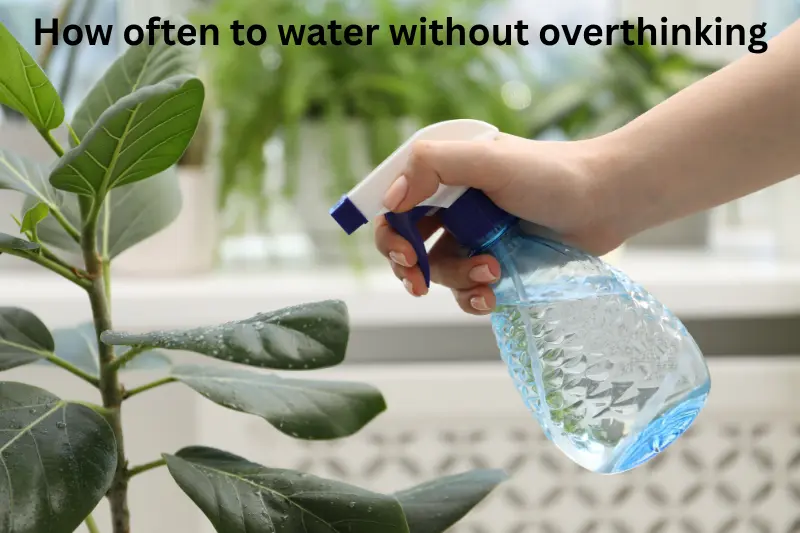
Watering is where most beginners either overdo things or forget completely, and both extremes can harm plants. The real skill is not in pouring water, but in understanding timing. Instead of following a strict schedule, it’s better to check the soil first and let the plant tell you what it needs. If the top layer feels dry and the soil below is also losing moisture, then it’s time to water properly so that the roots get deep hydration. If the soil still feels slightly moist, it’s better to wait. Another important detail is how you water. Quick splashes on the surface don’t help much because roots are deeper. Slow, steady watering allows moisture to reach where it is actually needed. Over time, you’ll realize that plants don’t need constant attention—they need correct attention, and that difference changes everything in how your garden behaves.
Soil Health and Why It Controls Everything
Soil is often ignored because people focus more on leaves and flowers, but in reality soil is the foundation of everything in your garden. If the soil is unhealthy, no amount of watering or sunlight can fully fix the problem. Daily soil checks don’t require digging or disturbing the plant; it simply means observing texture, moisture level, and overall condition. Healthy soil feels balanced—not too dry, not too soggy, and not compacted like hard clay. If soil becomes too dry, roots struggle to absorb nutrients. If it stays too wet, roots start suffocating. If it becomes compacted, water and air cannot move freely. When you make soil observation part of your daily routine, you prevent most major plant issues before they even start developing.
Weeds and Small Growth Control Before It Spreads
Weeds are one of those things that seem harmless at first but quickly become a serious problem if ignored. The issue is not just appearance; weeds compete with your plants for water, nutrients, and space. The best way to handle them is not waiting until they grow large, but removing them while they are still small and easy to pull out. Daily checking makes this extremely simple because you never allow weeds to establish strong roots. Another important part of weed control is checking corners, edges, and hidden spaces where they tend to grow unnoticed. Once you make this a habit, you realize that weed management is not hard work—it is just consistent small attention that prevents bigger effort later.
Pest Awareness Through Daily Inspection
Pests are one of the most frustrating parts of gardening because they often appear suddenly, but in reality they build up quietly over time. Daily inspection helps you catch them early before they spread. Instead of waiting for visible damage like holes in leaves or widespread discoloration, you check under leaves, around stems, and near soil surfaces. Early signs like tiny insects, sticky residue, or unusual leaf patterns are enough to alert you. The advantage of catching pests early is that you don’t need strong chemicals or complicated treatments. Simple removal or mild cleaning is often enough. This is why daily awareness is far more effective than reactive treatment after the damage is already done.
Garden Maintenance Tips Daily
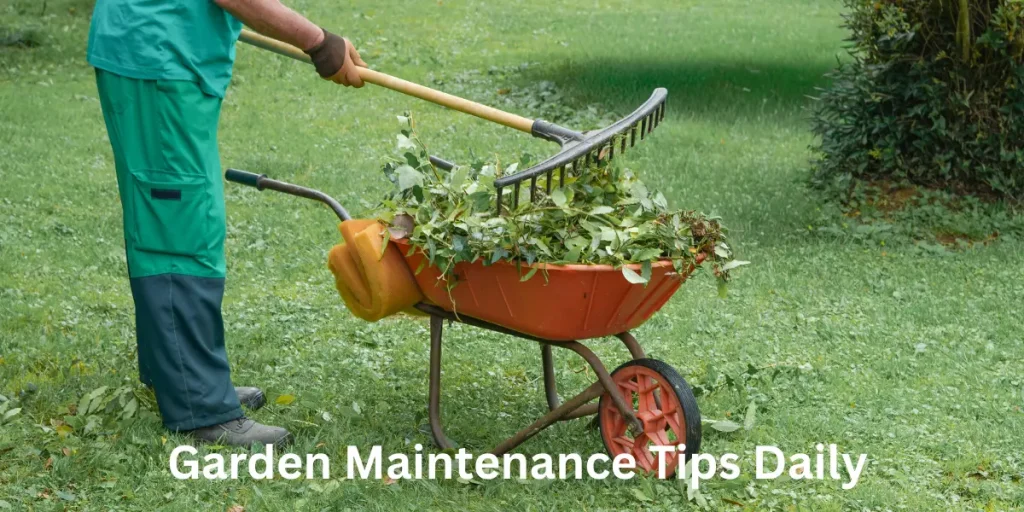
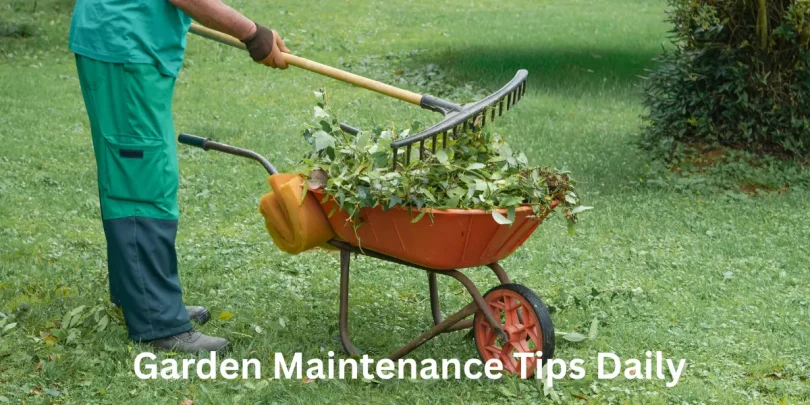
Gardens don’t just need watering—they also need light maintenance to stay clean and active. This includes removing dry leaves, trimming broken stems, and cleaning fallen debris around plants. These small actions matter more than people realize because dead or damaged parts of a plant continue to consume energy even when they are no longer useful. By removing them, you allow the plant to focus its energy on healthy growth. This also improves airflow around plants, which reduces the chances of fungal issues and pest buildup. Light maintenance does not take much time, but when done consistently, it creates a noticeable difference in how fresh and organized your garden looks and feels.
Seasonal Adjustments in Daily Gardening Routine
One mistake beginners often make is following the same routine throughout the year without considering seasonal changes. Plants behave differently in heat, cold, humidity, and dry weather. In warmer months, soil dries faster and plants need more frequent hydration and shade awareness. In cooler months, growth slows down and water requirements decrease significantly. Daily maintenance should always adjust slightly based on these changes. This doesn’t mean changing your entire routine—it simply means being aware of environmental shifts and responding gently instead of sticking to rigid habits. Gardens thrive when care is flexible, not mechanical.
Container Gardening vs Ground Gardening Care Differences
Container gardening and ground gardening may look similar, but they behave very differently in terms of maintenance. In containers, soil dries faster because there is less volume to retain moisture, so daily checks are more important. Drainage also becomes critical because excess water has nowhere to go if pots are poorly designed. In ground gardens, moisture retention is usually better, but weed growth and pest movement can spread more easily. Understanding these differences helps you avoid applying the same care routine everywhere. Instead, you adjust your attention based on where your plants are growing, which makes your maintenance more accurate and effective.
Building a Simple Daily Routine That Actually Works
A good daily gardening routine is not complicated—it is repeatable and realistic. You don’t need to do everything at once or spend long hours outside. A simple routine includes observing plants visually, checking soil condition, removing visible weeds or dry leaves, inspecting for pests, and watering only when needed. The goal is not perfection but consistency. Even a few minutes of focused attention each day is enough to keep most plants healthy. The key is turning this into a habit so that it feels natural rather than forced. Over time, this routine becomes second nature and you stop thinking of it as “work” and start seeing it as a normal part of your day.
Conclusion
Gardening becomes much easier when you stop treating it like a big task and start treating it like a daily relationship with your plants. Instead of waiting for problems to appear and then reacting with stress, you build a quiet habit of observation and small care that keeps everything stable. You don’t need expert knowledge or expensive tools—you just need consistency and attention to detail. When you follow garden maintenance tips daily, you begin to notice that your plants respond not to occasional effort but to steady, thoughtful care, and that is what truly creates a healthy, thriving garden over time.
FAQs
How often should I water my garden plants?
Most plants need watering once a day or every other day depending on weather and soil type. Always check soil moisture before watering.
What is the best time for daily garden maintenance?
Early morning is ideal because plants absorb water better and temperatures are cooler, reducing stress on plants.
How can I keep my garden healthy every day?
Regular watering, removing dry leaves, and checking for pests daily helps keep your garden healthy and thriving.
Do I need to fertilize my garden daily?
No, fertilizing daily is not necessary. Most plants only need fertilizer once every few weeks or as required.
What are simple daily tasks for garden care?
Basic tasks include watering plants, checking soil condition, removing weeds, and observing plant health for any issues.