
A lot of people dream about having a beautiful garden but immediately feel discouraged because they think they do not have enough space, enough money, or enough experience to make it happen. Some people live in apartments with tiny balconies, while others only have a narrow outdoor corner that barely gets sunlight. Then there is the fear of doing everything wrong. You buy plants with excitement, water them carefully for a few days, and suddenly the leaves turn yellow or the plant completely dies. It can feel frustrating, especially when social media makes gardening look effortless and perfect all the time. But the reality is very different. Gardening is something you learn slowly, and nobody starts as an expert. That is exactly why small garden ideas for beginners are such a great starting point. A small garden feels manageable, less stressful, and much easier to maintain while you are still figuring things out. The best part is that small gardens can still feel incredibly beautiful, peaceful, and rewarding without requiring a huge backyard or expensive setup. Even the tiniest space can become a relaxing green corner that improves your mood and makes your home feel more alive.
Why Starting Small Makes Gardening Easier
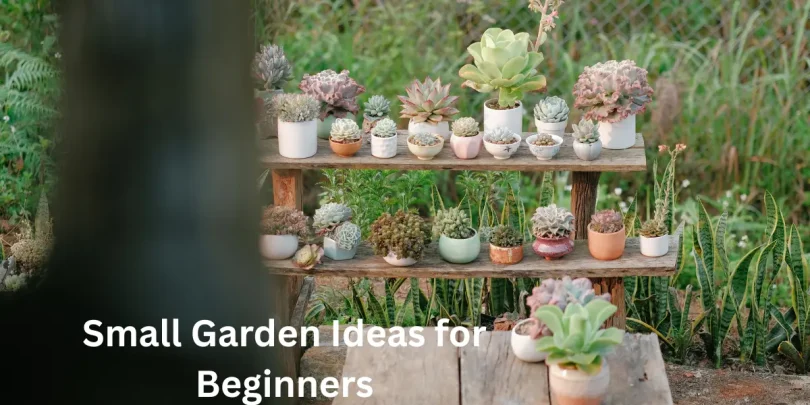
When beginners first get interested in gardening, they often make the mistake of trying to do too much too quickly. They buy dozens of plants, fancy tools, decorative items, and seeds without really understanding what the plants actually need. After a few weeks, things start becoming difficult to manage, and the excitement slowly turns into stress. Starting small solves this problem completely because it gives you the chance to learn naturally without feeling overwhelmed. A small garden allows you to focus on understanding the basics like watering, sunlight, soil, and plant care without dealing with too many responsibilities at once. It also helps you build confidence because small successes feel encouraging. Watching one healthy plant grow can motivate you far more than struggling with ten different plants at the same time. Small gardens are also easier to clean, organize, and redesign whenever you want to try something new. Instead of feeling like a huge project that constantly demands attention, your garden becomes a peaceful and enjoyable part of your routine.
Finding the Perfect Space for Your Small Garden
One of the biggest myths about gardening is that you need a huge outdoor area to get started. In reality, some of the most beautiful beginner gardens are created in the smallest spaces imaginable. You can start gardening almost anywhere as long as the area receives at least some natural light during the day. A balcony, rooftop corner, kitchen window, patio, entrance area, staircase landing, or even a narrow outdoor wall can become the perfect place for a small garden. The important thing is learning how to work with the space you already have instead of waiting for perfect conditions that may never come. Many beginners waste months thinking they will start gardening later when they move into a bigger house, but gardening is really about creativity more than space. Once you begin looking carefully around your home, you start noticing little unused areas that could easily hold containers, hanging plants, or shelves filled with greenery. Small spaces can actually feel more cozy and beautiful because every plant stands out more clearly and the entire garden feels personal and intentional.
You may also like to read these articles for more information
10 Must-Know Best Tips for Plant Growth for Amazing Success
Powerful Secrets for Success with Easy Grow Guide for Beginners
7 Proven How to Grow Plants at Home Secrets for Beginners
10 Powerful Step by Step Plant Growing Tips for Stunning Results Plant Growing Guide for Beginners That Makes Gardening Easy
Understanding Sunlight Before Buying Plants
A common reason why beginner gardens fail is because people choose plants before understanding the light conditions in their space. Some plants need direct sunlight for most of the day, while others grow better in shade or indirect light. If you place a sun-loving plant in a dark corner, it will struggle no matter how carefully you water it. Before buying anything, spend a few days observing how sunlight moves around your space. Notice which areas stay bright for long hours and which corners remain shaded. Morning sunlight is usually softer and ideal for many beginner plants, while strong afternoon sunlight can sometimes become too harsh for delicate leaves. Once you understand your lighting conditions, choosing plants becomes much easier because you can match them naturally to the environment instead of forcing plants into spaces where they cannot thrive. This one simple step can save beginners a lot of disappointment and wasted money.
Choosing Containers That Support Plant Growth
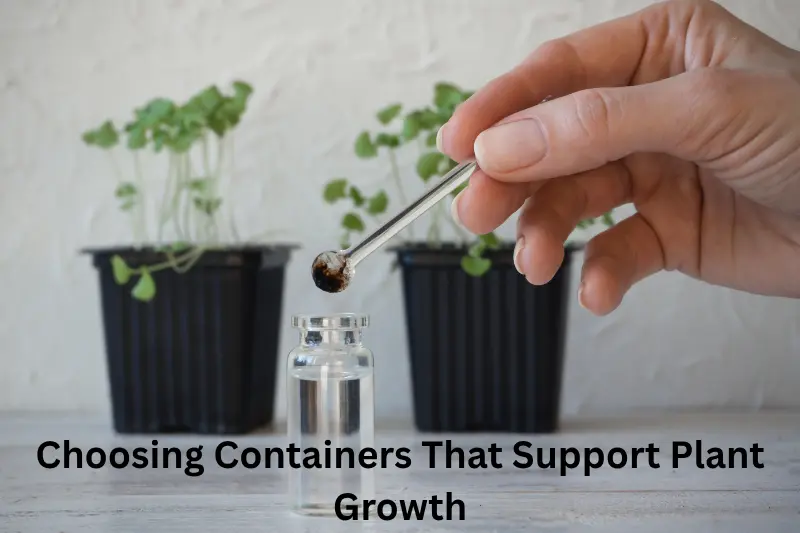
Container gardening is one of the easiest and smartest ways to begin a small garden because it gives you flexibility and control that traditional gardening often does not. Containers can be moved around whenever necessary, which is especially useful if weather conditions change or if certain plants need more sunlight. You can use traditional clay pots, plastic containers, wooden boxes, hanging baskets, or even recycled household items like buckets and cans. The beauty of container gardening is that it works almost anywhere, including balconies, rooftops, and indoor spaces. It also makes plant care less intimidating because each plant has its own controlled environment. If one plant develops problems, it does not affect the entire garden. Containers also allow you to experiment with different arrangements and designs until you discover what looks best in your space. For beginners, this flexibility creates a much more relaxed learning experience because mistakes are easier to fix and adjustments can be made quickly without major effort.
Choosing Plants That Are Easy to Maintain
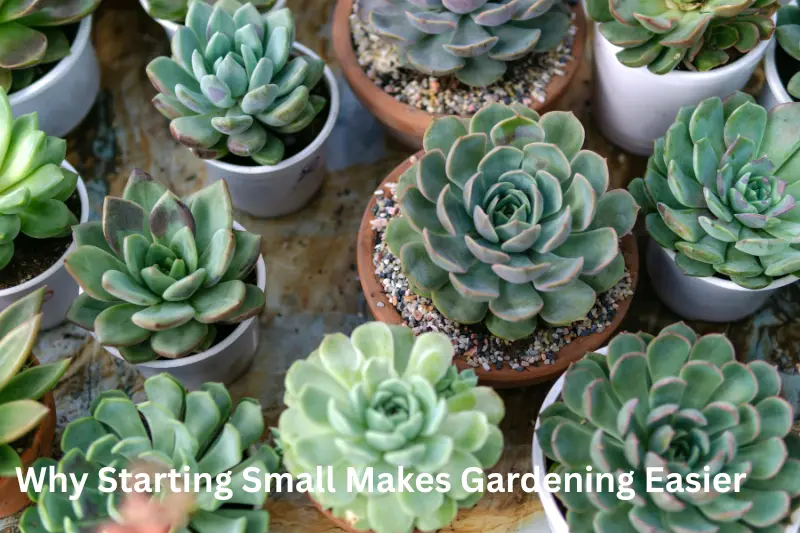
One of the most important parts of beginner gardening is selecting plants that are naturally forgiving and easy to care for. Some plants are extremely sensitive and difficult to maintain, while others continue growing even when beginners make small mistakes. Starting with low-maintenance plants helps build confidence because you are more likely to see successful results. Herbs are an excellent choice because they grow quickly, smell wonderful, and can even be used in cooking. Basil, mint, coriander, parsley, and rosemary are all beginner-friendly options that do well in containers. Snake plants and pothos are also fantastic for beginners because they tolerate different light conditions and do not require constant watering. Succulents are another great option for people who tend to forget watering schedules because they store water naturally in their leaves. Marigolds are perfect if you want flowers because they grow easily and add instant color to small spaces. The goal in the beginning should not be creating the most complicated garden possible. Instead, focus on growing plants that make gardening feel enjoyable and achievable.
Creating a Beautiful Balcony Garden
Balcony gardens are becoming incredibly popular because they transform small urban spaces into relaxing green escapes. Even a tiny balcony can become one of the most peaceful areas in your home when designed thoughtfully. The key is avoiding clutter and focusing on simple arrangements that still leave room to move around comfortably. Start by placing a few medium-sized containers near the edges or railings of the balcony to maximize space. Adding plants at different heights instantly creates more visual interest and makes the area feel fuller without overcrowding it. Hanging plants work especially well on balconies because they save floor space while adding softness and greenery at eye level. Herbs, flowering plants, and compact vegetables all grow beautifully in balcony environments when given enough sunlight. Many beginners also enjoy adding small decorative touches like lanterns, stones, or simple outdoor chairs to make the balcony feel more inviting. A balcony garden is not only about growing plants. It is about creating a small peaceful corner where you can relax, breathe fresh air, and enjoy a quiet moment away from daily stress.
Vertical Gardening for Tiny Spaces
When space feels limited, vertical gardening becomes one of the smartest solutions available. Instead of spreading plants across the floor, vertical gardens use walls, shelves, railings, and hanging systems to grow upward. This approach works especially well for apartment living because it allows you to fit many plants into very small areas without creating clutter. Wooden pallets, wall-mounted shelves, hanging baskets, and ladder stands are all simple ways to create vertical gardens. Vertical arrangements also make gardens feel more organized and stylish because the plants naturally create layers and texture. Another advantage is that plants placed higher are often easier to access for watering and maintenance. Beginners sometimes worry that vertical gardening looks too complicated, but it can actually be one of the easiest setups once everything is arranged properly. Even placing a few hanging pots on a wall can completely change the atmosphere of a small outdoor or indoor space.
Growing Vegetables in Small Gardens
A lot of beginners assume vegetables require huge gardens and complicated care routines, but many vegetables actually grow very well in small containers. Growing your own food can feel incredibly rewarding because you see direct results from your effort and care. Cherry tomatoes, lettuce, spinach, chillies, radishes, and green onions are all beginner-friendly vegetables that do not require large spaces. Containers placed in sunny areas usually work perfectly for these plants. One of the biggest advantages of growing vegetables at home is the excitement of harvesting something you grew yourself. It creates a stronger connection to gardening and often motivates beginners to continue learning more. Small vegetable gardens also encourage healthier eating habits because fresh herbs and vegetables become easily available right at home. Instead of trying to grow too many vegetables at once, start with just one or two types and slowly expand as you gain experience.
The Importance of Good Soil
Many beginners focus heavily on buying attractive pots and decorative items while completely ignoring soil quality. But healthy soil is one of the most important foundations of successful gardening. Poor soil can lead to drainage problems, weak growth, and unhealthy roots no matter how carefully you care for the plant itself. Beginners usually benefit from using ready-made potting mixes because they are designed to provide proper drainage and nutrients for container plants. Compost can also improve soil quality naturally by adding nutrients that help plants grow stronger. Good soil holds enough moisture for plants while still allowing excess water to drain properly. Once beginners understand the importance of soil, gardening becomes much easier because healthy roots create healthier plants overall.
Building a Relaxing Garden Atmosphere
A small garden should not feel like another chore on your daily schedule. It should feel calming, comfortable, and enjoyable. That is why creating atmosphere matters just as much as choosing plants. Even very small gardens can become relaxing spaces when designed thoughtfully. A simple chair, a small bench, or soft outdoor lighting can completely change how the area feels. Some people enjoy adding decorative stones or handmade plant labels to personalize the space further. The goal is not creating a picture-perfect garden for social media. The goal is creating a place where you genuinely enjoy spending time. Gardening often becomes much more meaningful when it turns into a peaceful daily ritual instead of just a decorative project.
Common Mistakes Beginners Should Avoid
Most beginner gardeners make similar mistakes in the beginning, and understanding them early can save a lot of frustration later. Overwatering is probably the most common issue because beginners often assume more water means healthier plants. In reality, too much water can damage roots and cause plants to rot. Another mistake is overcrowding plants in small containers because people want gardens to look full immediately. Plants need space for air circulation and healthy growth. Ignoring sunlight conditions is another major problem since different plants require different amounts of light. Some beginners also become discouraged too quickly when one plant struggles or dies. Gardening always involves trial and error, and mistakes are part of the learning process. Every experienced gardener has failed with plants many times before understanding what works best.
Why Gardening Feels So Rewarding
One of the most surprising things about gardening is how emotionally rewarding it becomes over time. Watching something grow slowly because of your care creates a sense of satisfaction that is difficult to explain until you experience it yourself. Gardening also encourages patience because plants grow gradually rather than instantly. Spending time around greenery can reduce stress, improve mood, and make everyday routines feel calmer. Many people begin gardening simply because they want prettier spaces, but they continue gardening because of how peaceful and grounding the experience feels. Small gardens especially create a comforting atmosphere because they are manageable and personal rather than overwhelming.
Conclusion
Starting a garden does not require a huge budget, a massive backyard, or years of experience. The beauty of beginner gardening is that even the smallest effort can create something meaningful and beautiful over time. A few containers, healthy soil, some sunlight, and a willingness to learn are more than enough to begin. Small gardens allow beginners to build confidence slowly while creating peaceful spaces that improve both the home and the mind. You do not need perfect results right away, and you definitely do not need to compare your progress to anyone else. Gardening becomes much more enjoyable when you focus on the process rather than perfection. Every plant you grow teaches you something valuable, and every small improvement makes your garden feel more personal and rewarding. Whether you start with herbs on a windowsill, flowers on a balcony, or vegetables in containers, the most important thing is simply getting started and enjoying the journey. Over time, your space will naturally grow into something beautiful, relaxing, and completely your own. Keep things simple, stay patient, and trust yourself as you learn. Your journey with small garden ideas for beginners can become one of the most calming and rewarding hobbies you ever start.
FAQs
What are the best plants for small beginner gardens?
Herbs, succulents, marigolds, tomatoes, and mint are great choices because they are easy to grow and maintain.
Can I start a garden in a very small space?
Yes, you can use pots, hanging baskets, vertical planters, or balcony containers to create a beautiful small garden.
How often should beginners water small garden plants?
Most plants need watering when the soil feels dry, but avoid overwatering because it can damage roots.
Are small gardens expensive to create?
Small gardens can be very affordable because you only need a few containers, soil, and beginner-friendly plants.
What is the easiest way to maintain a small garden?
Choose low-maintenance plants, water regularly, remove dry leaves, and keep the area clean and organized.