
Starting your plant journey usually begins with excitement, but very quickly that excitement turns into confusion when leaves start drooping, soil stays wet for too long, or a plant that looked “easy” suddenly starts looking unhealthy. Most beginners assume they are doing something wrong, but the real issue is not effort, it is lack of clear direction. Plants are often overcomplicated online, and that makes people overthink every small detail. In reality, plants are far more forgiving than they seem, and once you understand the basics properly, everything becomes much easier and even enjoyable.
That is exactly why a plant growing guide for beginners matters so much, because it removes guesswork and replaces it with simple, clear understanding. Once you shift your mindset from “What am I doing wrong” to “What is my plant trying to tell me,” everything changes and plant care becomes less stressful and more like a calm daily habit rather than a difficult task.
Understanding the Real Nature of Plants Without Overcomplicating It
Plants are living systems, but they are not as fragile as beginners think. The biggest mistake people make is treating plants like complicated machines that need perfect conditions all the time. In reality, plants adapt slowly to their environment, and they respond more to consistency than perfection. They do not need constant attention or dramatic changes in care. What they really need is stability in light, water, and soil conditions. Beginners often jump between different care methods after reading conflicting advice, but this actually confuses the plant more than it helps. The key is to pick a simple approach and stick with it long enough to observe how the plant responds. Once you start noticing patterns, you realize plants are communicating all the time through their leaves, growth direction, and soil response, and that is where real understanding begins.
Choosing Beginner Friendly Plants That Don’t Stress You Out
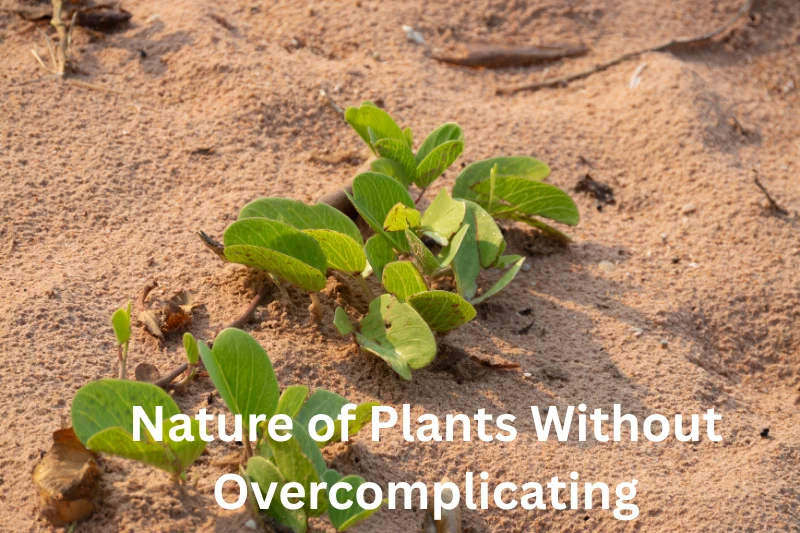
One of the most important steps in starting a successful plant journey is choosing the right plant from the beginning. Many beginners unknowingly pick plants that require very specific conditions, and when those conditions are not met, the plant struggles. This leads to frustration and the belief that they are “bad at plants,” which is not true at all. Beginner friendly plants are those that can tolerate small mistakes and still recover easily. These plants give you time to learn without punishment. Starting with forgiving plants helps you build confidence because you get positive results even while you are still learning. Once you gain experience, you can gradually move toward more sensitive plants without stress or confusion.
You may also like to read these articles for more information
Daily Plant Care Routine That Actually Keeps Your Plants Thriving
Easy Plant Care at Home Guide to Keep Your Plants Healthy and Happy
Plant Care Tips for Beginners Made Simple for Healthy Indoor Growth
The Ultimate Guide to How to Care for Indoor Plants Like a Pro
Master the Best Way to Water Plants and Avoid Common Mistakes
Soil Drainage and Why It Matters More Than You Think
Soil is one of the most ignored but most important parts of plant care. Beginners often think any soil will work, but the structure of soil directly affects how roots breathe, absorb nutrients, and handle water. If soil holds too much water, roots can suffocate and start rotting slowly without visible signs at first. If soil drains too quickly, the plant does not get enough moisture and becomes weak over time. The goal is balance, where soil stays slightly moist but never soggy. Good soil allows water to pass through while still holding enough nutrients for the plant to absorb. Many plant problems that seem like watering issues are actually soil issues in disguise. Once you fix the soil, many problems solve themselves naturally without extra effort.
Watering Correctly Without Following Random Rules
Watering is where most beginners feel the most pressure because there are so many conflicting instructions online. Some people say water daily, others say once a week, and this creates confusion. The truth is that watering is not about schedules, it is about soil condition and plant type. A plant only needs water when its soil starts drying out, not before and not too late. Overwatering is more harmful than underwatering in most cases because excess water removes oxygen from the roots. Instead of guessing, it is better to develop a habit of checking the soil using touch. When you understand your plant’s rhythm, watering becomes simple and natural rather than stressful. Over time, you stop relying on rules and start relying on observation.
Light Conditions and How They Affect Plant Growth
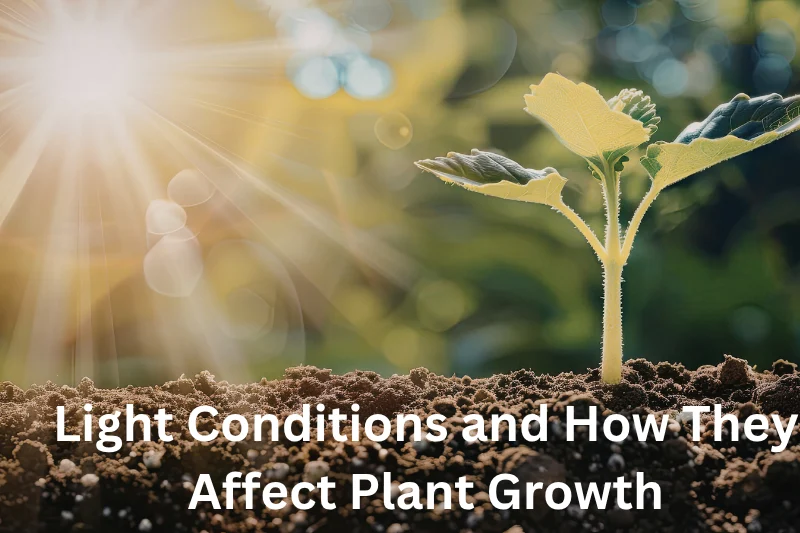
Light is basically food for plants, but understanding light does not mean placing plants in the brightest spot available. Different plants have different light needs, and placing them in the wrong light condition is one of the most common beginner mistakes. Some plants prefer bright indirect light where they receive strong brightness without direct sun exposure, while others can handle direct sunlight or low light environments. What matters most is consistency. If a plant is constantly moved from one place to another, it struggles to adjust and growth becomes slow or uneven. Once you find a suitable spot for your plant, it is better to leave it there and observe how it responds over time instead of changing its environment repeatedly.
Understanding Growth Without Expecting Instant Results
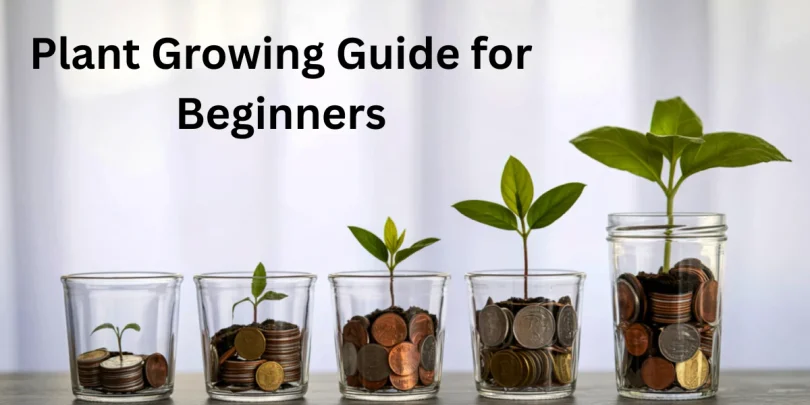
One of the biggest mindset shifts beginners need to make is understanding that plant growth is slow and gradual. Unlike fast results in daily life, plants operate on their own timeline. Sometimes you will not see visible changes for weeks, but that does not mean nothing is happening. Most growth occurs below the soil where roots are developing and strengthening. Beginners often panic when they do not see immediate changes and start changing care routines too quickly, which actually disrupts growth. Patience is not just a virtue in plant care, it is a requirement. Once you accept that slow growth is still progress, you start enjoying the process instead of worrying about outcomes.
Common Beginner Mistakes That Are Easy to Fix Once You Know Them
Most plant problems are not complicated, they are usually caused by a few repeated mistakes. Overwatering is the most common issue, followed by poor drainage, incorrect lighting, and constant relocation of plants. Another hidden mistake is over caring, where beginners try to fix every small change immediately instead of observing over time. Plants need time to adjust before showing improvement. Another issue is ignoring seasonal changes, where watering and light needs naturally shift throughout the year. Once you become aware of these patterns, fixing plant problems becomes much easier and less stressful.
Building a Simple and Stress Free Plant Care Habit
Plant care does not need to be complicated or time consuming. A simple routine is often more effective than a strict schedule. Checking soil regularly, observing leaves once in a while, and adjusting care slowly based on plant response is usually enough. The goal is not to control every aspect of plant growth but to support it gently. When you stop overthinking and start observing, plant care becomes part of your lifestyle rather than a task. Over time, you begin to recognize what your plant needs without searching for answers every time something changes.
Conclusion
At the end of the day, plant care is not about perfection, it is about learning and adjusting slowly with experience. Every plant teaches something new if you pay attention instead of rushing results. Mistakes are part of the process, not failures. As you continue, you will notice that what once felt confusing becomes natural and almost intuitive. Plants respond to care, but they also respond to patience and consistency. Once you build that understanding, you are no longer guessing, you are growing alongside your plants in a calm and steady way. In the simplest sense, a plant growing guide for beginners is really about learning to trust the process, observe carefully, and enjoy small progress without pressure.
FAQs
What is the easiest plant for beginners to grow?
Snake plants, pothos, and aloe vera are great choices because they need very little care and can grow well indoors.
How often should beginners water plants?
Most plants should be watered when the top layer of soil feels dry. Avoid watering too much because it can damage roots.
Do beginner plants need direct sunlight?
Some plants love direct sunlight while others prefer indirect light. Always check the light needs of your plant before placing it.
What type of soil is best for beginner gardening?
Well-draining soil with good nutrients works best for most beginner plants because it helps roots stay healthy.
Why are my plant leaves turning yellow?
Yellow leaves can happen from overwatering, poor sunlight, or lack of nutrients. Checking these basics usually helps solve the problem.