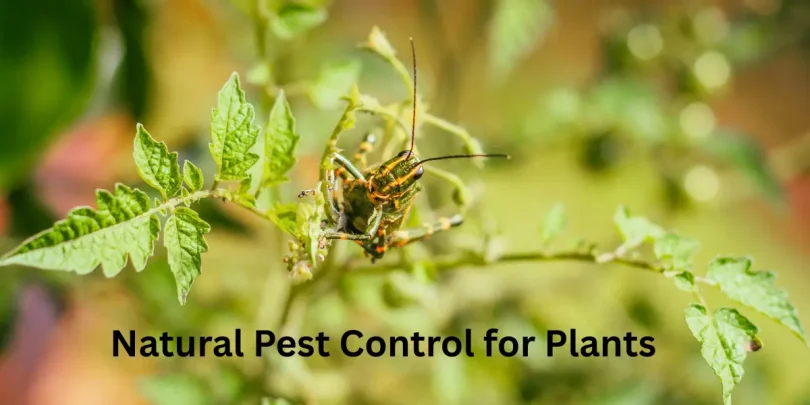

There is nothing more frustrating than spending weeks caring for your plants only to wake up one morning and notice chewed leaves, tiny bugs crawling across stems, sticky residue on your favorite flowers, or vegetables that suddenly look weak and unhealthy. Many beginner gardeners know this feeling very well. You water your plants regularly, place them in sunlight, and genuinely try your best to help them grow, but pests still somehow appear out of nowhere.
At that point, many people immediately think they need strong chemical sprays to fix everything quickly. But after using harsh products, some gardeners notice burned leaves, damaged soil, fewer butterflies, and even dead plants. That is why more people today are turning toward natural pest control for plants because they want safer, healthier, and easier solutions that protect their gardens without creating even bigger problems. The good thing is natural pest control is not complicated or expensive.
Why Natural Pest Control Is Becoming So Popular
A lot of people are becoming more careful about what they spray around their homes, pets, and food plants. Traditional pesticides may work fast, but many gardeners eventually realize those chemicals do not only affect harmful insects. They can also harm bees, butterflies, ladybugs, soil organisms, pets, and even humans when used incorrectly. For beginners, using chemical pesticides can feel stressful because instructions are often confusing, and one mistake may damage plants badly. Natural pest control feels safer and more balanced because it focuses on prevention, plant health, and eco-friendly methods instead of relying only on strong chemicals. Another reason people love natural gardening is the peace of mind it gives. When you grow vegetables naturally, you feel better about eating them. When children or pets play around your garden, you worry less. And when butterflies and pollinators continue visiting your flowers, your garden feels alive instead of sterile. Natural gardening also teaches patience and observation. Instead of treating every insect like an enemy, gardeners slowly learn how nature works together. Some insects damage plants, while others actually protect them. Once beginners understand this balance, gardening becomes less stressful and much more enjoyable.
Understanding Why Plants Attract Pests
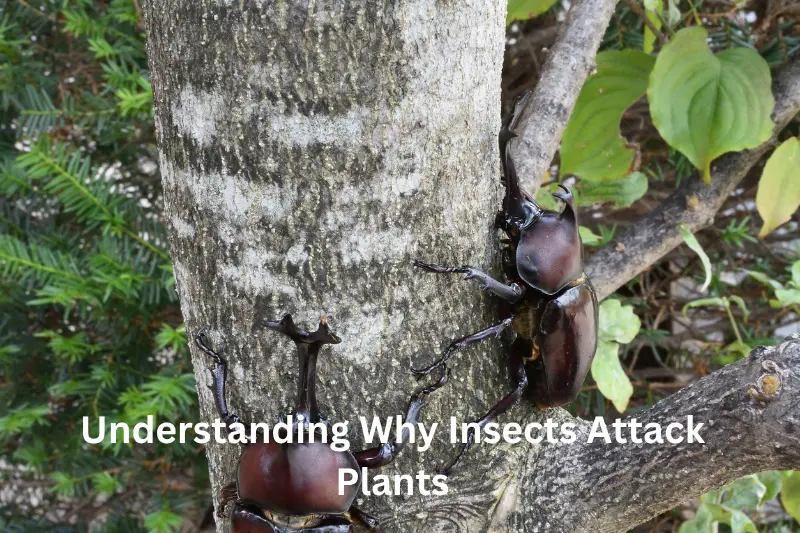
Many beginners think pests attack randomly, but plants usually become vulnerable for specific reasons. Weak or stressed plants are much easier targets for insects. A healthy, strong plant naturally resists diseases and pest attacks much better than a struggling plant. Several common gardening mistakes weaken plants without people realizing it. Overwatering is one of the biggest causes because constantly wet soil damages roots and creates ideal conditions for fungus and insects. Underwatering also stresses plants because dry plants become weak and easier for pests to attack. Poor soil lacking nutrients creates unhealthy growth, while too much fertilizer can create overly soft leaves that insects love feeding on. Limited airflow, overcrowded pots, extreme temperatures, and poor lighting can also increase pest problems quickly. Here is the important thing many beginners miss: natural pest control starts before pests even appear. The healthier your plants become, the fewer serious pest issues you usually face. Prevention matters far more than constantly trying to kill bugs after infestations become severe.
You may also like to read these articles for more information
10 Must-Know Best Tips for Plant Growth for Amazing Success
Powerful Secrets for Success with Easy Grow Guide for Beginners
7 Proven How to Grow Plants at Home Secrets for Beginners
10 Powerful Step by Step Plant Growing Tips for Stunning Results Plant Growing Guide for Beginners That Makes Gardening Easy
The Most Common Plant Pests Beginners Usually Face
One reason pest problems feel overwhelming for beginners is because every tiny insect looks dangerous at first. But once you learn to identify common pests, managing them becomes much easier. Aphids are one of the most common garden pests. These tiny insects gather under leaves or around fresh plant growth and suck sap from plants, causing curled leaves, sticky surfaces, and weak growth. Spider mites are extremely tiny but create fine webbing around leaves, often making plants look dusty or dry. Whiteflies fly up in little clouds whenever plants are disturbed and quickly weaken plants by feeding on sap. Mealybugs look like small patches of white cotton attached to stems and leaves. Caterpillars chew noticeable holes in leaves and can destroy vegetables surprisingly fast if ignored. Fungus gnats are common around indoor plants, especially when soil stays overly wet for long periods. Real talk, learning pest names sounds intimidating in the beginning, but after seeing them a few times, you start recognizing problems quickly. The faster you identify pests, the easier natural treatment becomes.
Healthy Soil Is the Real Secret to Strong Plants
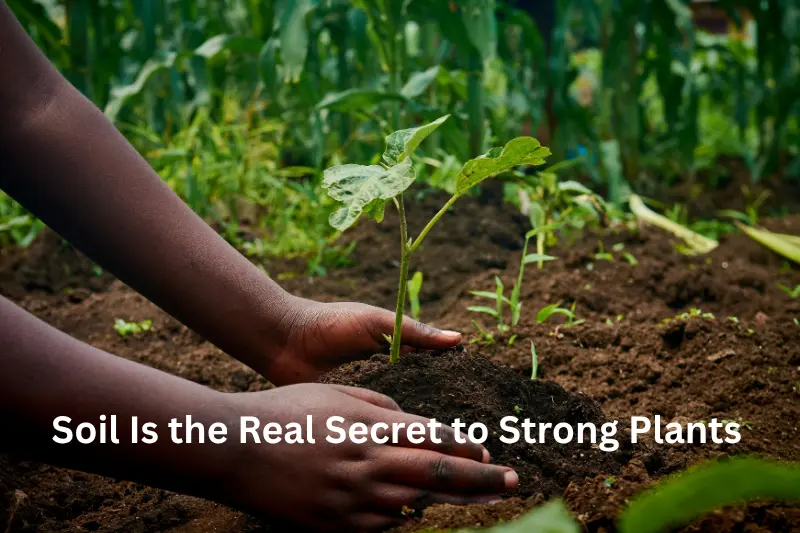
Many beginner gardeners spend money on sprays and treatments while completely ignoring soil health, even though soil is one of the biggest factors behind healthy plants. Strong soil creates strong roots, and strong roots support healthier plants that naturally resist pests much better. Good garden soil contains nutrients, organic matter, beneficial microbes, and proper drainage. Compost is one of the best things you can add because it improves soil naturally without relying on harsh fertilizers. Mulching also helps tremendously because it keeps moisture balanced, protects roots from temperature stress, and improves soil quality over time. When soil becomes healthy, plants grow stronger stems, healthier leaves, and deeper roots, which means pests have a harder time causing serious damage. One mistake beginners often make is overusing synthetic fertilizers because they want faster growth. But very fast growth sometimes creates soft, weak leaves that attract insects even more. Slow, balanced plant growth is usually healthier in the long run.
Neem Oil Is One of the Most Effective Natural Solutions
If you spend time around gardeners, you will hear neem oil mentioned constantly. There is a reason for that. Neem oil is one of the most trusted natural pest control methods because it works against many common garden pests without causing the same problems as harsh pesticides. Neem oil comes from the neem tree and affects insects by disrupting feeding and reproduction. It can help control aphids, spider mites, whiteflies, mealybugs, and several other pests. The important thing with neem oil is consistency. Beginners sometimes spray once and expect instant results overnight, but natural methods usually work gradually. Neem oil works best when sprayed regularly according to instructions, especially on the undersides of leaves where pests often hide. Spraying during cooler evening hours is usually safer because strong sunlight combined with oil sprays may damage leaves. Neem oil also supports organic gardening because it breaks down naturally instead of leaving heavy chemical residues behind.
Homemade Garlic Spray Can Help Repel Insects Naturally
Garlic is not only useful in cooking. It is also a popular natural gardening ingredient because many insects dislike its strong smell. Homemade garlic spray is simple, affordable, and beginner-friendly. Gardeners often blend garlic cloves with water, strain the mixture, and spray it lightly onto affected plants. Some people add a small amount of mild liquid soap to help the spray stick better to leaves. Garlic spray may help discourage aphids, whiteflies, and other soft-bodied insects. The smell can be strong at first, but it fades after a while. Since natural sprays break down quickly, regular application matters more than using extremely strong mixtures. One good thing about homemade sprays is flexibility. You can experiment gently and adjust methods depending on how your plants respond.
Soap Spray Is a Beginner-Friendly Pest Solution
One of the easiest natural pest control methods involves something many people already have at home: mild liquid soap. Soap sprays work by damaging the outer coating of soft-bodied insects like aphids and spider mites. But there is an important detail beginners should remember. Not every soap is plant-safe. Strong detergents or heavily scented soaps may harm leaves, so gentle soap works best. Usually, gardeners mix a small amount of soap with water and lightly spray affected areas. Testing on a small section first is always smart because some plants are more sensitive than others. Soap sprays are popular because they are affordable, simple, and effective when used correctly. However, even natural sprays should not be overused because excessive spraying may stress delicate plants.
Companion Planting Makes Gardens Naturally Stronger
Companion planting sounds complicated at first, but the idea is actually simple. Certain plants naturally support each other when grown nearby. Some plants repel harmful insects, while others attract beneficial pollinators and predator insects that help control pests naturally. Marigolds are famous for helping repel certain pests in vegetable gardens. Basil planted near tomatoes may help discourage insects while also improving the garden environment. Lavender attracts pollinators and beneficial insects, while mint may discourage ants and other pests. Companion planting creates biodiversity, which helps gardens stay healthier overall. Monoculture gardens filled with only one type of plant often attract pests faster because insects can spread easily from plant to plant. Diverse gardens usually remain more balanced naturally.
Beneficial Insects Are Important for Natural Pest Control
One major shift beginner gardeners eventually experience is realizing they should not try to kill every insect they see. Some insects are incredibly helpful. Ladybugs eat aphids. Lacewings feed on soft-bodied pests. Praying mantises hunt harmful insects. Bees and butterflies pollinate flowers and vegetables. When harsh pesticides are heavily used, beneficial insects often disappear alongside harmful ones. That creates an unhealthy cycle where pest problems continue getting worse because natural predators are gone. Encouraging beneficial insects creates a healthier ecosystem where pests stay under better control naturally. Flowers like dill, fennel, yarrow, and sunflowers often attract helpful insects into the garden. Once beneficial insects settle into your space, you may notice pest outbreaks becoming less severe over time.
Indoor Plants Need Pest Protection Too
Many people think pest problems only happen outdoors, but indoor plants experience plenty of issues as well. In fact, indoor environments sometimes allow pests to spread faster because there are fewer natural predators inside homes. Fungus gnats are especially common around overwatered indoor plants. Spider mites thrive in dry indoor air, while mealybugs often hide along stems and leaf joints. Indoor plant care becomes much easier when you regularly inspect leaves, avoid overwatering, and improve airflow around plants. Wiping leaves occasionally helps remove dust and makes it easier to spot early pest problems before infestations grow larger. Quarantining new plants before placing them near existing plants is also a smart habit because pests often enter homes through newly purchased plants.
Proper Watering Solves More Problems Than People Realize
A surprising number of pest problems are connected to watering habits. Overwatering creates soggy soil conditions that attract fungus gnats, mold, and root problems. Underwatering stresses plants and weakens their natural defenses. Beginners often water plants based on schedules instead of checking actual soil moisture. Here is the deal: plants do not care about calendar schedules. They care about soil conditions. Some days plants need more water, while other times they need less depending on weather, temperature, humidity, and growth stage. Checking the soil with your finger before watering is a simple habit that prevents many common issues. Balanced watering keeps roots healthy, and healthy roots support stronger plants overall.
Airflow and Sunlight Matter More Than Beginners Expect
Many new gardeners focus only on watering and forget about airflow and sunlight. Poor airflow traps moisture around leaves, increasing the chances of fungal diseases and pest infestations. Crowded plants also make it easier for insects to spread from one plant to another. Spacing plants properly allows air to move freely and helps leaves dry faster after watering. Sunlight matters because weak lighting creates thin, stressed growth that pests attack more easily. Different plants have different sunlight needs, so understanding those needs helps prevent unnecessary stress. Sometimes a struggling plant improves dramatically just by moving it closer to proper light or giving it more space.
Natural Gardening Requires Patience and Consistency
One of the hardest things for beginners to accept is that natural pest control usually works gradually instead of instantly. Chemical pesticides often create dramatic overnight results, but natural methods focus more on long-term balance and prevention. You may still see occasional insects in your garden, and that is completely normal. Healthy gardens are living ecosystems, not perfectly sterile spaces. Real talk, expecting zero bugs in a natural garden often leads to frustration. The goal is not perfection. The goal is healthy plants and manageable pest levels. Consistency matters more than perfection. Regular plant checks, balanced watering, healthy soil, and gentle treatments create better results over time than panic spraying every time you spot one insect.
Building Confidence as a Beginner Gardener
Every gardener loses plants sometimes. Every gardener deals with pests eventually. That does not mean you are failing. Gardening is learned through observation, patience, and experience. The more time you spend around your plants, the easier it becomes to recognize problems early and respond calmly instead of panicking. Beginners often expect immediate success, but gardening is really about gradual learning. Some seasons go beautifully, while others bring challenges. That is completely normal. Over time, you begin understanding your plants better. You notice which areas stay too damp, which plants attract pests more easily, and which natural methods work best in your garden environment. Confidence grows slowly through practice, not perfection.
Conclusion
Starting a garden and trying to protect plants naturally can feel overwhelming in the beginning, especially when pests suddenly appear and your healthy-looking plants start struggling. But once you understand how natural gardening works, everything becomes less stressful and much more rewarding. Healthy soil, proper watering, airflow, beneficial insects, and gentle homemade remedies all work together to create stronger plants that naturally resist many common pest problems. You do not need expensive chemicals or professional-level experience to grow healthy plants successfully. Small changes and consistent habits often make the biggest difference. The beauty of using natural pest control for plants is that you create a safer and healthier environment not only for your garden but also for yourself, your family, pollinators, pets, and the soil itself. Natural gardening teaches patience, observation, and balance, and over time those skills make gardening feel more peaceful instead of stressful. Keep learning, keep experimenting, and remember that even experienced gardeners still face challenges sometimes. Healthy gardens are built slowly with care, consistency, and simple natural practices that support long-term plant health.
FAQs
What is the best natural pest control for plants?
Neem oil, garlic spray, and companion planting are some of the best natural ways to control pests without harming plants.
Can natural pest control really protect plants?
Yes, natural methods can effectively reduce common garden pests when used regularly and correctly.
Is neem oil safe for all plants?
Neem oil is safe for most plants, but it is best to test it on a small area before full use.
How often should I use natural pest control for plants?
Most natural remedies work best when applied once or twice a week depending on pest activity.
What pests can natural pest control remove?
Natural methods can help control aphids, spider mites, whiteflies, caterpillars, and many other common garden pests.